
Sponsored Waste heat? Waste not
Heat exchangers need to be designed bespoke for the application in order to maximize energy efficiency, says Alfa Laval’s Anna Blomborg
Heat exchangers need to be designed bespoke for the application in order to maximize energy efficiency, says Alfa Laval’s Anna Blomborg
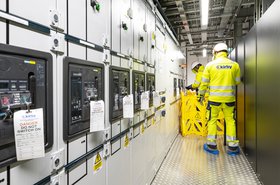
Kirby prides itself on its ‘no surprises approach’ to projects, backed up by thorough planning with all stakeholders from pre-construction all the way to commissioning

Sustainability is about way more than just installing LED lights in the foyer. It starts before you’ve even designed that new data center – and extends far beyond environmental responsibility

The network is the critical influence on every aspect of the data center: driving power distribution and structured cabling – the most costly parts of a data center fitout

Most applications can be hosted out of any data center, anywhere in the world. So why not choose data centers in the most sustainable locations offering stable power prices?
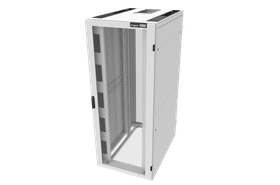
Increased compute density is all very well, but can ordinary server cabinets optimize the airflow management to support it, asks Legrand’s Saman Berookhim

Data centers are made from concrete, cement, steel and glass, and consume vast amounts of power. So how can operators genuinely become “sustainable”, let alone achieve net-zero?
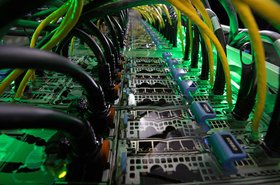
When humans really need to cool down, fans are not a patch on immersion in a pool of cool water. So why not adopt immersion cooling in data centers?

Data center fiber platforms not only need to handle ever-greater bandwidth demands, but seamless upgrade paths too. CommScope’s new Propel platform is designed to do just that

Managing complex supply chains today requires diligence and hard work to bring data center builds in successfully and on-budget, advises Kirby procurement specialist David Waldron

Norway’s hydro-power can provide renewable energy to data centers across Europe. Or, better still, data centers can come to Norway to take advantage of competitively priced renewable electricity all-year round

Data center automation isn’t with us yet, but Nokia’s Data Center Fabric solution is a big step in the right direction that could achieve operational cost savings of 40 percent

Supply chain issues have intensified the already challenging task of data center commissioning. So what can operators do to minimize the risks of delay - or worse?

Supply chains were already stretched in 2019. Then Covid hit, and the Russo-Ukraine War has exacerbated them still further. How can data center builders and operators manage the growing risks?

The internet revolution will continue to reverberate for decades. The question is, does your organization have the digital backbone to survive the revolutions to come?

Global enterprise applications, mobile apps and games built and maintained on DevOps principles need NetOps to provide reliable, network support, argues Nokia’s Jonathan Lundstrom

New connector innovations are making it that bit easier and faster to provide the fiber connections that new data centers need

Gas engines can be used for more than just reliable backup, they can provide primary power while also facilitate a transition to carbon neutral operation argues industry veteran Jan Buijk

Cabling up data centers with ever-fatter fiber is a challenging and time-consuming task, but now some manufacturers are innovating to make it faster and easier

Mineral oils used in first generation immersion cooling can discolor, develop odors and cause capacitors to swell. But there are better coolants guaranteed to remain stable for 15+ years

Demand for data has been doubling every couple of years – or sooner – for the past three decades. What can data center operators do to keep pace?

With GRC’s ‘try before you buy’ program, you can verify immersion cooling’s performance before taking the plunge

Data center network management requires tools that are as intelligent as the people who use them to prevent staff from being overwhelmed by irrelevant alerts, warns Entuity’s John Diamond

Data centers are prodigious users of water, but attempts to reduce on-site water usage often just shifts water usage upstream to power generation, argues Excool’s Jon Pettitt