
Indianapolis city councilor Ron Gibson’s home was shot at least 13 times by an unknown attacker, with a “NO DATA CENTER” sign found at the doorstep.
Gibson said that the shots were fired between 12:45am and 12:50am ET on Monday at the front door of his home.
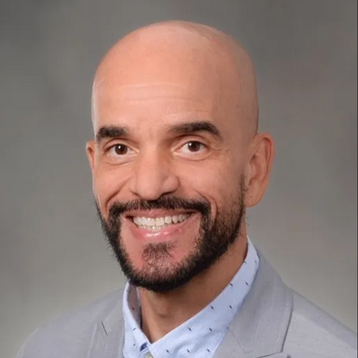
“My 8-year-old son and I were not physically harmed, but we were awakened by the sound of gunfire,” said Gibson in a statement to local news.
“I understand that public service can bring strong opinions and disagreement, but violence is never the answer, especially when it puts families at risk.”
Gibson is a vocal supporter of a proposal to build a 14-acre, 75MW data center at 2505 North Sherman Drive. He spoke last week in support of the Indianapolis Metropolitan Development Commission’s decision to effectively greenlight the project.
The $500 million proposal, backed by developer Metrobloks, has faced fierce opposition from local residents who believe that it will harm the environment and place undue stress on the city’s resources.
Some accuse city officials of corruption, and others argue that the data center’s placement constitutes ‘environmental racism.’
But the violence has been condemned by Protect Martindale-Brightwood, the pre-eminent anti-data center organization in the neighborhood of Martindale-Brightwood, located northeast of downtown Indianapolis.
“Violence has no place in our community or our advocacy,” reads the organization’s statement.
“We want to be clear: any signage or messaging at the scene is not affiliated with our organization and does not reflect who we are… Our opposition to the proposed Metrobloks data center is based on legitimate concerns, including community voice, environmental impact, and neighborhood stability.”
The phrase “NO DATA CENTER” can often be seen on placards, signs, and shirts belonging to members of anti-data center organizations across the US.
Gibson is not the only local official in America who has been targeted for their stance towards data centers.
In December 2025, councilwoman Amy Drake of the St. Joseph County Council in New Carlisle, Indiana, claimed that her family was ‘swatted’ whilst she was attending a data center meeting.
Drake, who voted against granting planning permission to a $12 billion data center proposal, said in a Facebook post that the Department of Child Services and several officers came to her home to do a “so-called welfare check” on her husband and children at 2am on Wednesday “while [she] was still hearing public testimony on the data center project.”
This January, Anthony P. Hinojosa, a resident of Troy, Illinois, was arrested after he threatened to use a firearm to kill City of Troy officials or contractors who were considering a data center proposal put forth by Cloverleaf Infrastructure.
Hinojosa then made a false report to the police, claiming that a firearm-related offence would be committed despite knowing that there was “no reasonable ground” that this would occur.
Local tensions over data center developments have become more pronounced as developers look to capitalize on the opportunity provided by the AI boom.
Training and inference workloads require the construction of data centers that are larger and more energy-intensive than those used for traditional cloud and colocation functions, forcing developers to turn their attention towards areas with power and land that have little to no experience with data centers, sparking concern among local residents.
The strength of this opposition has become a problem for local authorities in support of data center developments and the developers themselves, and mitigating and gauging local opposition has become an increasingly important consideration.
Last month, Microsoft vowed to no longer ask local governments to sign NDAs regarding its data center projects, addressing criticisms that NDAs were obfuscating the planning process and preventing locals from knowing the identity of an end-user or developer.






Comments