
Former Federal Communications Commissioner (FCC) Nathan Simington has slammed the agency over its treatment of EchoStar.
In comments made earlier this week via RealClear Policy, Simington, who only left his role as a commissioner last week, called the FCC's proceedings against EchoStar "dangerous."
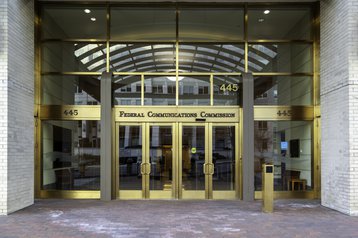
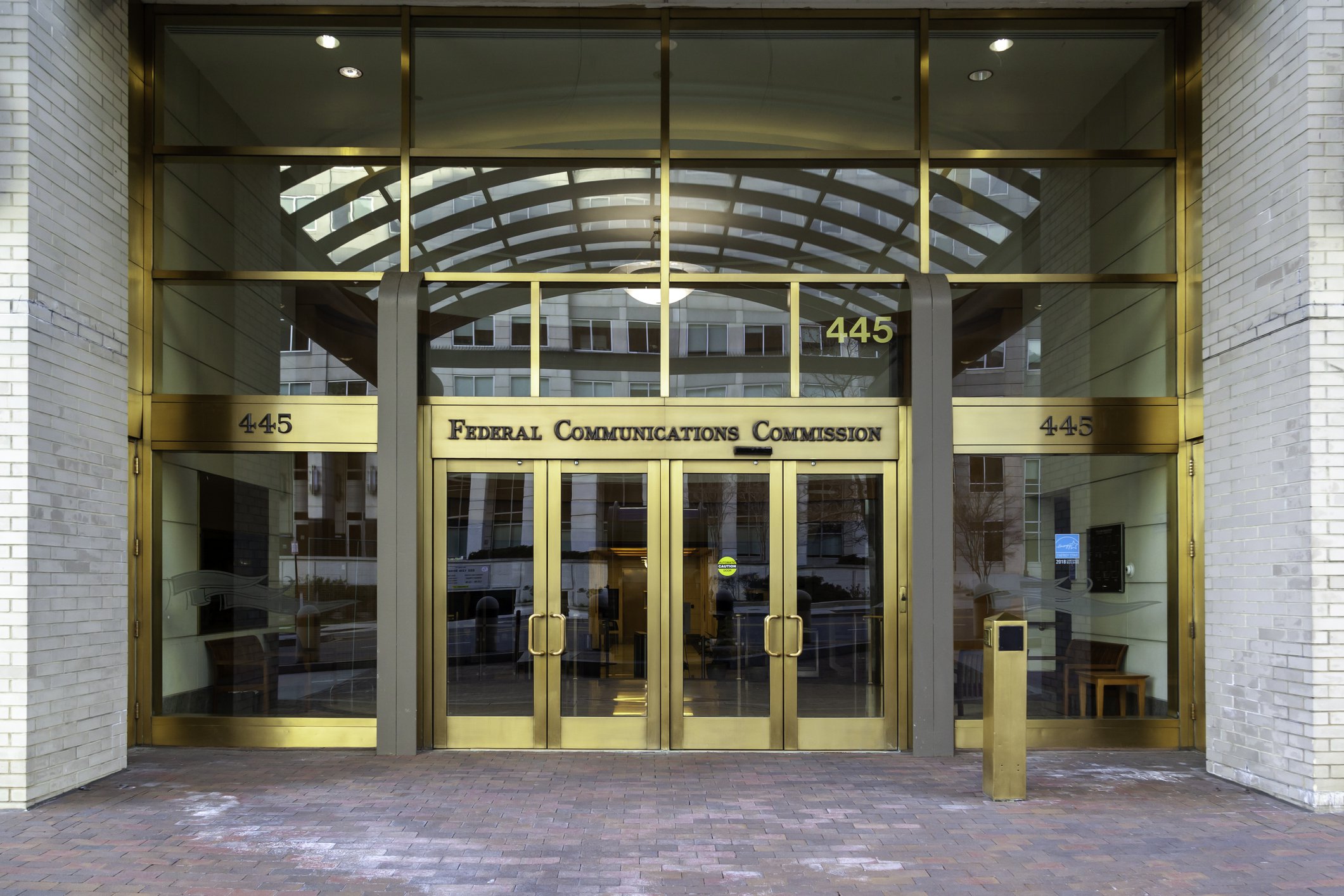
EchoStar's battle with the FCC comes after its chair, Brendan Carr, wrote to EchoStar in early May, noting that the agency would investigate EchoStar's use of 5G spectrum as the company continues its 5G build-out across the US.
The FCC also opened an inquiry into the company's usage of its satellite licenses.
However, just days after leaving the FCC, Simington hit out at the FCC's stance on EchoStar, and urges the agency to reverse course on its pursuit of the company.
"The FCC threatens such severe sanctions that they put EchoStar’s financial viability in question and threaten to kill the company," wrote Simington. "This places every holder of a spectrum license in a riskier position and will raise consumer prices by forcing every licensee, not just EchoStar, to charge higher risk premiums."
He refers to EchoStar as the nation's fourth network and claims the impact of threatening EchoStar with numerous spectrum license revocations has severely affected the company's ability to raise capital.
"EchoStar faces the heavy lift of building a capital-intensive national network, which will ultimately cost tens of billions. That makes these threats existential to the company," he said.
EchoStar: Don't pull the rug from under us
Last week, EchoStar stepped up its battle with the FCC. In a filing, EchoStar argued its case that it should be allowed to continue growing out its 5G network.
The company, owned by Charles Ergen, has defended its position ever since, pointing to the fact that it has deployed more than 24,000 5G sites, invested billions of dollars in its commercial network build, has 1.3 million subscribers, and is in the process of migrating its remaining six million subscribers.
Despite this, EchoStar chose not to make a $326 million cash interest payment, as it argues that the FCC's inquiry "threatens its viability as a wireless provider."
EchoStar acquired its Boost Mobile business as part of Dish Network’s role in the T-Mobile/Sprint merger, completed in 2021.
In 2023, Dish Network merged with EchoStar, leading to Boost Mobile becoming the brand name of the company's mobile network.
It's worth noting that Simington, like Carr, is a Republican. Carr was nominated as President Donald Trump's pick to head the FCC.
His departure came at the same time as Geoffrey Starks, who announced his departure in March. It means that the only two commissioners are Carr and Democrat Anna Gomez. At present, there are now three vacancies on the five-person commission, although one is expected to be filled by Olivia Trusty, a Senate Commerce aide.
China has dominated 5G battle
In his post, Simington also suggested that going after EchoStar does the US no favors, making note that the country has fallen well behind China in the 5G battle.
"But the concerns with these threats go farther. For years, we’ve heard that China is beating us in 5G. It’s important to look under the hood and ask what this means in order to appreciate what’s going on with EchoStar," added Simington, who noted that China has made "far greater gains."
He noted that China has around 16,000 5G private networks, compared to the US, which is less than 400, while also highlighting the difference in 5G Standalone population coverage, which sits at 77 percent in China and only 37 percent in the US.
"The conclusion is inescapable: American 5G technology needs more radios, more advanced network cores, and more capital to keep pace with China. American 5G deployments risk checking the 5G box without delivering the innovation, under the hood, that would enable 5G’s promise to be realized."
"Put it all together, and there’s only one conclusion. One of the most innovative companies in American telecommunications is at risk of suffering an unprecedented and unpredictable punishment. We’re all going to pay a price for it as the effects ramify through the markets, and it’s going to hurt our international competitiveness. The FCC should reverse course. If not, China won’t have to beat us—we’ll have beaten ourselves," he concluded.





Comments