
Microsoft has signed a deal with US biochar firm Liferaft for 1 million carbon removal units over a 10-year period.
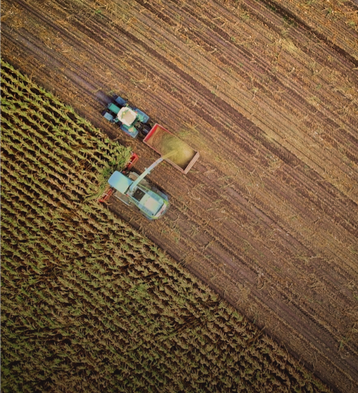
The carbon removal units will be delivered through Liferaft’s large-scale biochar facilities across Iowa and Illinois.
The facilities source agricultural and municipal biomass from the surrounding region, which is subsequently processed on-site using a process called pyrolysis, which involves the heating of organic material in an oxygen-free environment to produce biochar.
Following this, Liferaft will blend the biochar with compost to create a biochar-compost mix for approved end uses, including agricultural applications. According to the company, when applied to soils, biochar can improve soil health and crop yields while supporting permanent carbon removal.
“We are excited to announce this transformative deal with Microsoft, which enables Liferaft to create (and provide training for) many high-quality jobs in rural American communities. We are particularly grateful to the people and leaders of West Liberty, Iowa, and Muscatine County, Iowa, for their incredible support over the past year of planning,” said William Cowell de Gruchy, CEO of Liferaft.
The biochar produced under the agreement will be tracked using Monitoring, Reporting, and Verification (MRV) systems. The deal was facilitated by Supercritical, a London-based carbon removal marketplace.
“At Microsoft, we’re pleased about the Liferaft project’s potential to pair high-quality, durable carbon removal with meaningful local benefits. Liferaft has strong plans for putting locally available biomass waste to productive use, generating local jobs, and supporting farmers and land managers. This demonstrates how carbon removal can strengthen agricultural communities, improve land outcomes, and deliver durable climate impact,” added Phillip Goodman, director, Carbon Removal at Microsoft.
Microsoft has signed several deals with biochar firms over recent years. Recent deals include a 100,000-ton deal with Indian firm Varaha, a 1.24 million deal with US firm Exomad Green, and a 44,000-ton deal with Minnesota-based firm Carba.






Comments