
The Irish state has announced that the country's three main mobile operators have agreed to a national roaming agreement for mission-critical communications used by first responders.
It was announced by the Office of the Government Chief Information Officer (OGCIO) that eir, Three Ireland, and Vodafone have signed the agreement, which bolsters communications for the country's emergency services.
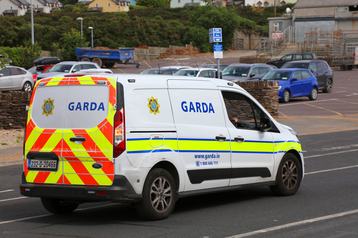
It means that compatible devices and applications used by first responders can connect to whichever participating mobile network is available, instead of being reliant on just one telco.
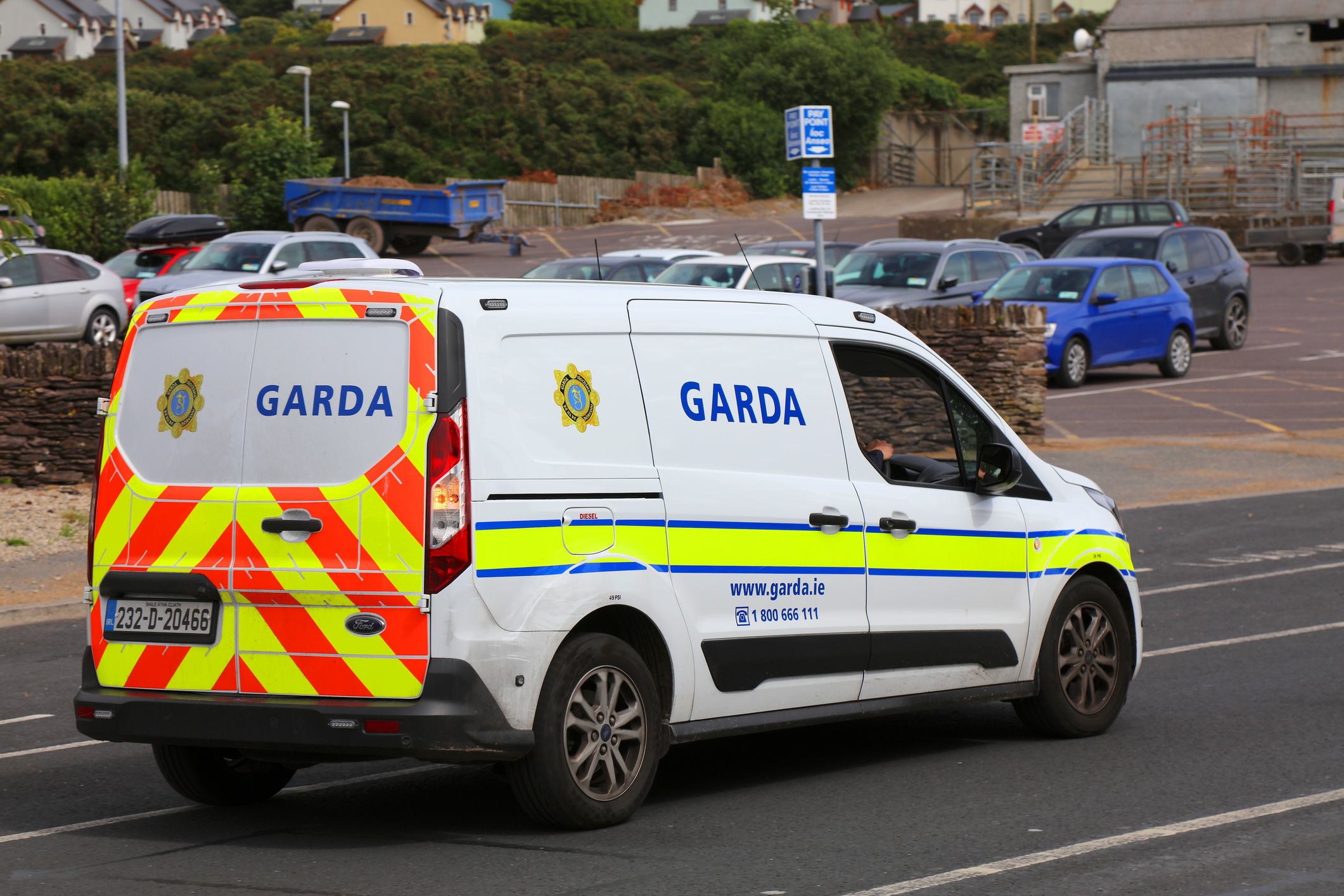
According to OGCIO, this will support the An Garda Síochána, the fire services, the National Ambulance Service and Civil Defense.
Up until this point, Ireland's emergency services have relied on TETRA (Terrestrial Trunked Radio), which is a narrowband digital radio system built for voice and short text messaging.
Although TETRA has served responders with voice comms, the system was never designed to carry the live video, mapping, imagery, and data that underpin modern emergency response.
OGCIO notes this is the main reason a roaming agreement between the three carriers is required, as it forms part of the group's ambitions to modernize emergency communications and support the transition from traditional radio systems to next-generation mobile broadband technology capable of carrying voice, video, mapping, and operational data.
In the coming months, first responders will kick off testing of the new functionality in operational environments. Testing will be coordinated by the Civil Defence in partnership with OGCIO and participating agencies.
"This new national roaming arrangement will help ensure that emergency personnel can maintain access to critical information and communications services, regardless of which mobile network is available at a particular location," said Jack Chambers, Minister for public expenditure, infrastructure, public service reform, and digitalization.
"It is a practical improvement that will strengthen resilience, support public safety and help prepare Ireland's emergency services for the next generation of critical communication technologies."





Comments