
Iran's Internet access has been effectively shut down by the country's rulers in an attempt to suppress increasing anti-regime demonstrations.
Protesters took to the streets a little over a fortnight ago to protest against growing economic conditions in the country, with cost-of-living conditions spiraling out of control.
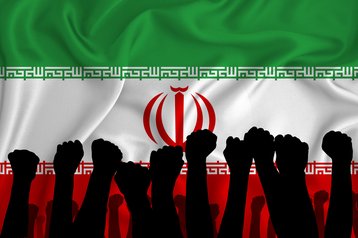
Supreme Leader Ayatollah Ali Khamenei has vowed to crack down on the protests using the country’s security forces, which has led to violence throughout the country. Protestors have set streets ablaze as they try to fight back, while many instances of the country’s pre-revolutionary flag have been spotted as the demonstrations escalated.
The Guardian reports some 42 people have been killed, with thousands arrested, as Khamenei accused protesters of acting like “mercenaries for foreigners.”
In a bid to disrupt the protests, an earlier regional Internet blackout has since spread nationwide. According to Netblocks, connectivity from multiple providers has been shut down, including in the capital of Tehran. At one point, the country went without Internet for more than 12 hours as authorities sought to suppress the swell of anti-government unrest.
This wouldn’t be the first time Internet access in the country was completely shut down in response to growing unrest.
In 2019, online activities were halted for six days amid the Bloody Aban protests, which tried and ultimately failed to overthrow the government and Supreme Leader Ali Khamenei. During that incident, satellite-TV connections were also taken down.
The Internet in Iran is one of the most heavily censored in the world. Social media platforms and mobile apps are heavily filtered. In February 2024, the country’s Supreme Council for Cyberspace (SCC) issued a ban on the use of virtual private networks (VPNs).
Iranians are subject to even stricter rules when it comes to simply using technology.
The country’s Computer Crimes Law (CCL) makes it illegal to change passwords or “encode data that could deny access of authorized individuals to data, computer, and telecommunication systems.” Meanwhile, the Internet User Protection Bill (IUPB), requires Internet users to provide official identification to authorities in order to access online services. The IUPB also gives the country's government power to set bandwidth limits and manage access to national and international platforms on the country's Internet.
Mobile phone owners are also forced to register their devices with the government, and attempts to purchase a SIM card require a person to register their real name and government-issued identification.






Comments