
Global mobile phone emissions fell 4.5 percent in 2024 and eight percent since 2019, even as global emissions increased by 4 percent over the same period, a new GSMA (Global System for Mobile Communications Association) report shows.

Despite the progress, the report contends that the sector must reduce emissions by 7.5 percent annually through 2030 - double the current pace - to stay on track for net-zero by 2050. The report covers 77 mobile operators, accounting for 80 percent of global connections.
Europe leads the way in terms of emission reductions, with 56 percent of operators reporting emission cuts between 2019 and 2023. This is followed by North America at 44 percent and Latin America at 36 percent.
Chinese operators were not included in the report; however, according to recent analysis, it is projected that operational emissions in the country fell by four percent in 2024, following a seven percent jump between 2019 and 2023.
Steven Moore, head of climate action at the GSMA, said: “Our findings show the mobile industry isn’t greenwashing or greenwishing – it’s green acting. Emissions are trending in the right direction, but the pace of progress must now double.
“To sustain this progress, we need broader support: better access to renewables, more policy certainty, and stronger collaboration across the ecosystem. Supply chain emissions, which make up most of our industry’s footprint, must also be addressed – and climate transition plans will play an increasingly important role in navigating what comes next.”
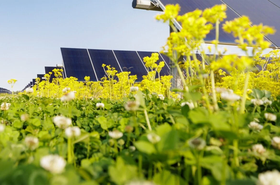
According to the report, industry efforts have focused predominantly on improving energy efficiency and transitioning to clean energy sources such as solar and battery storage. Many operators have started shutting down outdated, energy-intensive network infrastructure and are reducing dependence on diesel generators.
The fall in emissions was supported by increased renewable energy uptake, with 37 percent of electricity utilized by operators coming from renewable sources, up from 13 percent in 2019.
There has been a noticeable uptick in operators signing long-term Power Purchase Agreements (PPAs) for renewable power. This is most pronounced in the European market, with Deutsche Telekom, O2 Telefónica, and Vodafone all signing long-term PPAs across Europe in 2024.
The main challenge highlighted in the report is the specter of Scope 3 emissions, including supply chain and manufacturing impacts. Scope 3 currently makes up more than two-thirds of the industry’s carbon footprint and is lacking transparency in terms of reporting.
In order to meet these challenges, the report calls for greater collaboration across the supply chain in emission reduction, as well as a move to more circular models. Notable leaders on Scope 3 reduction include Telstra, which has reduced Scope 3 emissions by 31 percent since 2019.
There has been some progress on circularity, with the 12 leading operators recently committing to take back 20 percent of their sold devices by 2030, to ensure they don’t end up in landfills. The growth of the second-hand market is expected to make a significant impact in emission reductions, the report states, with refurbished devices emitting 80–90 percent less carbon than new ones.





Comments