
A former telecom tower engineer has established a not-for-profit organization focused on pushing for safer conditions for telecom tower climbers in the US.
The group known as Climber Protection Group NFP (CPG) has been set up by Tommy Schuch, a former tower climber, along with board members Richard Bell and Dr. Brigette M. Hester.
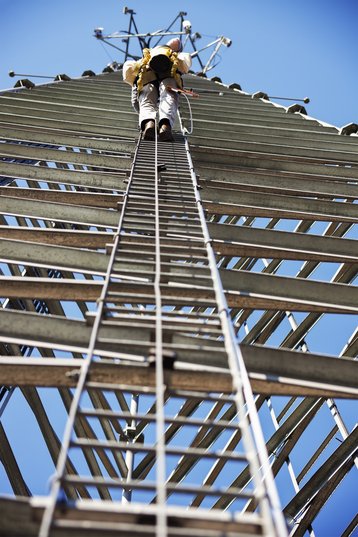
In an announcement outlining the CPG, the group set out its ambitions to improve "safety, fair treatment, and protection of tower climbers across the country."
The organization intends to educate people on the dangers of the profession, which is one of the most dangerous jobs in the US.
Wireless tower technicians formed a union with CWA in May 2022. In 2023, a survey by the Communications Workers of America’s Tower Climbers Union/CWA found more than 65 percent of wireless tower technicians have been on a job site where someone has been injured, and four percent where someone has been killed. Around a quarter of surveyed workers had been on five or more job sites where someone had been injured.
CPG notes that it wants to "serve as a national voice for tower workers," to highlight serious and often overlooked industry issues while advocating for safer and more ethical work conditions.
“No climber should ever be forced to choose between getting the job done and making it home alive,” said Schuch. “We are committed to raising awareness and sharing real stories from the field and working toward a safer and more transparent industry.”
Membership to join CPG is offered at no cost to climbers, noted the group.
According to the CPG, the group provides members with a safe platform to anonymously report job hazards and unsafe conditions.
Schuch formerly worked as a tower climber from 2009 until 2022, as per his LinkedIn.
During the last decade, he's fronted Tommy Schuch Media, a production company that documents the challenges and risks associated with the telecoms tower industry.
The CWA's 2023 safety survey suggested tower owners such as American Tower, Crown Castle, and SBA Communications allow or require work during dangerous weather (cited by nearly 73 percent of respondents) and at night (more than 68 percent), installing equipment heavier than towers are designed to handle (more than 47 percent), and forcing multiple crews to work on a tower at the same time (nearly 42 percent).
The survey suggested close to 25 percent of respondents reported that safety incidents on the job were rarely or never investigated, and when they are investigated, “nothing happens” as a result of the investigation.




Comments