
BT Group has confirmed that the company's subsidiary Openreach will fall just short of hitting its 25 million fiber passings target by the end of the year.
Openreach has been on course to reach the milestone by the end of 2026, though it has shifted the target as the telecoms giant reported its first-half earnings for FY27.
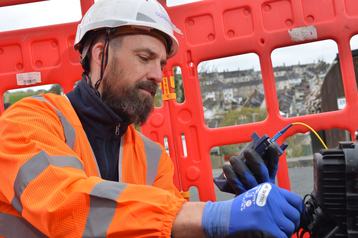
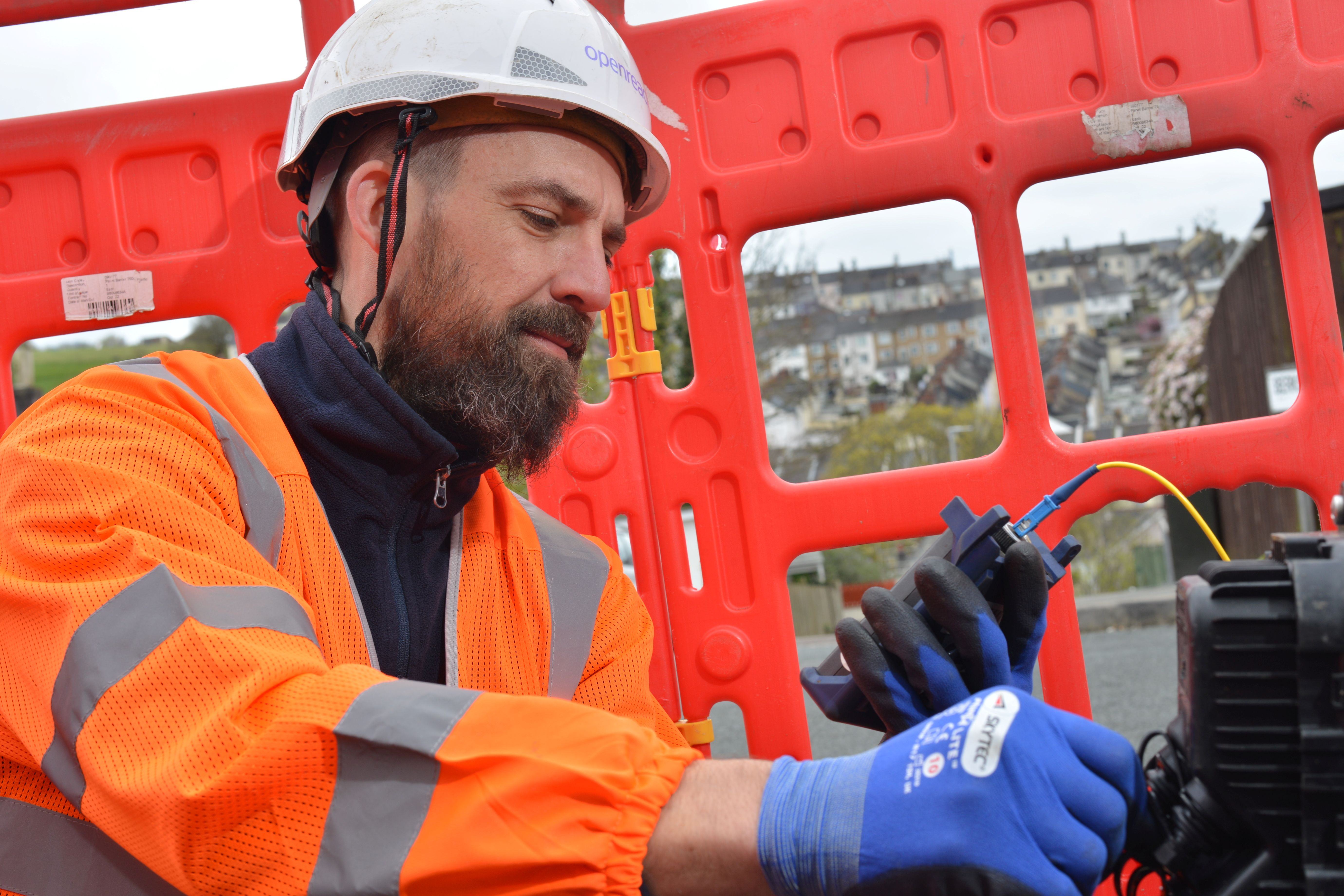
As of the end of September, Openreach has passed more than 24.1 million premises with its fiber network, with 1.2 million premises passed in the six-month period from April this year.
However, the 25 million target appears to be just out of reach, as the telco said it won't reach its intended 25 million build target until March 2027.
Up until today's earnings report, the company's chief executive, Allison Kirkby, had said that BT was on target to hit the number.
BT didn't specify a reason for the delay, though it did state that demand for its FTTP (Fiber to the Premises) has increased, with more than 1.1 million net adds during the first half (H1) of its 2027 financial year.
As of the end of September, more than 9.9 million premises in the UK have signed up for its FTTP offering, with that number surpassing 10 million last month.
Overall, the company shed 175,000 broadband lines during Q2, and 366,000 for the first six months of the financial year, and expects to lose around 800,000 for the full year. The company's total broadband customer base sits at around 18.9 million.
Total revenue for the half year up until September 30 is up by one percent to £8.753 billion ($11.78bn), while profit before tax grew by 12 percent.
“BT delivered a strong first half, with further strategic momentum in a competitive market, resulting in growth in revenue, EBITDA and customer satisfaction," said Kirkby.
“Openreach achieved record full fiber demand, with more than ten million homes and businesses now connected and take-up reaching 41 percent. BT and EE have been recognized as the UK’s best broadband and mobile networks, while more households are choosing our mobile and TV services together."
Providing an update on its mobile unit, EE, the telco added 86,000 postpaid subscribers during H1, while its 5G Standalone service now extends to 81 percent of the UK's population, up from 73 percent in March.
Cost cuts are working
The company also provided an update on its ongoing cost-savings target, noting that it is on course to deliver £3.5bn ($4.7bn) of gross annualized cost savings by FY30 on a continuing operations basis.
BT notably increased the target from £3bn ($4bn) earlier this year by an additional £700m ($942m).
During H1, the company has driven £312m ($419m) of savings, taking the cumulative total savings to £1.7bn ($2.29bn) at a cost to achieve of £800m ($1.076bn).
"Our UK-centric strategy and transformation is clearly delivering with £312 million of annualized savings achieved in the first half, as we continue to simplify and modernize," said Kirkby.
Kirkby also noted that the company's proposed international JV with Verizon is "progressing at pace," while adding that BT has "stepped up for the country" with its planned acquisition of TalkTalk, a deal which is subject to regulatory approval.
Providing additional operational metrics, BT reported that network energy usage dropped seven percent, while total labor resources declined 11 percent to 90,000. Former chief executive Philip Jansen said in 2023 that the telco will cut 55,000 jobs by the end of the decade.
Meanwhile, Openreach repair volumes were down 16 percent, suggesting the company's battle against copper theft could be working.






Comments