
US mobile carrier AT&T and AST SpaceMobile have completed what the two companies say is the first successful handoff between a direct-to-device (D2D) satellite network and a terrestrial cellular network.
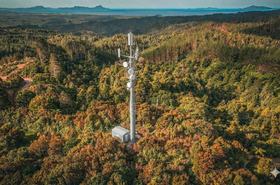
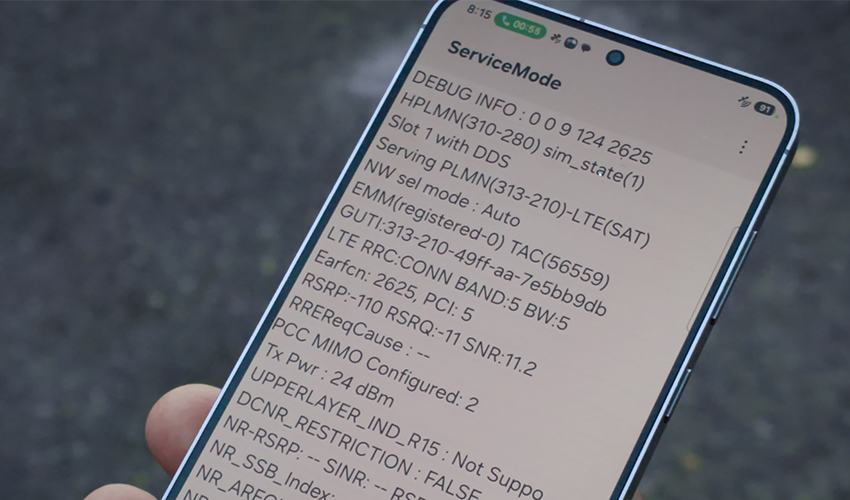
The trial took place last month on October 21, outside Granite Falls, Washington, at 8:15am PT, with AT&T noting that the test built on previous voice calls, text messages, and video calls through AST SpaceMobile’s BlueBird satellites. The trial was carried out using regular smartphones.
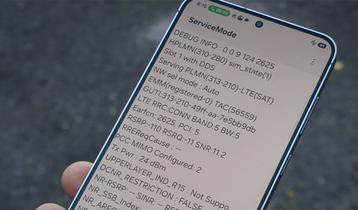
AT&T and AST SpaceMobile were supported in the trials by network vendors Ericsson and Nokia to handle the call from a land-based network using both vendors' equipment, while AST SpaceMobile provided its LEO satellite network.
Ericsson provides AT&T with the combined radio and core technology with intelligent network automation to optimize handoffs between ground-based and satellite networks, which AT&T notes can reduce transition times from seconds to milliseconds.
Finnish vendor Nokia provides the radio access technology and mobility software that powers AST SpaceMobile's space-based network to support the handover and service continuity.
The significance of this test was to trial how feasible it would be to move a connection between AT&T’s ground-based wireless network and AST SpaceMobile’s satellite network seamlessly.
D2D is seen by mobile carriers such as AT&T as complementary to their existing terrestrial coverage, and key to plugging coverage gaps in hard-to-reach parts of the US.
According to AT&T, the test "brings AT&T and AST SpaceMobile one step closer to commercial service."
"The successful handoff is a significant milestone, but it’s not the finish line," said Robert Walters, SVP, network, AT&T.
"As we progress toward real-world beta services and ultimately commercial service, we’re bringing together AT&T’s broad and dense fiber footprint, the nation’s largest terrestrial wireless network, and complementary connectivity enabled by partners such as AST SpaceMobile to create a more seamless, resilient experience. And with AI embedded throughout our network and operations, we’re making that connectivity smarter, helping us anticipate needs, improve performance, and deliver the reliable experiences our customers count on."
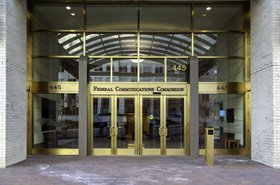
Earlier this year, the Federal Communications Commission gave AST SpaceMobile permission to launch and operate its non-geostationary orbit (NGSO) satellite system in low Earth orbit (LEO). AT&T is one of several carriers that are active investors in AST SpaceMobile.
AST SpaceMobile previously outlined plans to launch between 45 and 60 of its latest-generation BlueBird satellites this year, though it has since readjusted that target to 45 by early 2027.


Comments