

According to Jones Lang Lasalle (JLL), approximately 66GW of North American data centers are under construction as of the first half of 2026. At the same time, global M&A volumes rose 48 percent year over year, with mega-deals like the proposed $118.8 billion NextEra Energy–Dominion combination signaling that dealmakers now see data center growth and energy infrastructure as a single opportunity.
But gigawatts of planned capacity and billions in capital mean little until someone turns blueprints into working power on the jobsite. As data centers scale into 1GW-plus campuses running rack densities unheard of five years ago, electrical contractors are being pulled into the center of a convergence between two industries that used to operate in separate lanes.
A grid under pressure and an industry at a crossroads
From general AI to the cloud, streaming, and digital transactions, everything today runs on data that needs to be stored, pressuring data center developers to build larger campuses with higher density, speed to power, and accelerated construction schedules. It’s crucial that these facilities are connected to resilient and reliable electrical grids.
There are many trends that overlap between grid modernization and data center expansion. The need to add more power in less space has more than tripled the rack density, significantly increasing both heat dissipation requirements and capacity demands.
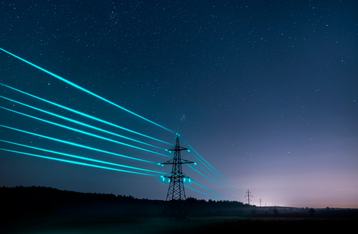
We’re also seeing an architecture shift toward 800VDC (with 1,500VDC on the horizon), reducing power loss and improving efficiency versus legacy 400VAC systems. Modular, prefabricated, plug-and-play infrastructure is also gaining ground to reduce field labor and accelerate installation timelines.
Additionally, the need for good power quality and grid resiliency now matters just as much as raw capacity. Operators want visibility into what's happening across campus electrical systems and want little to no disruptions on the way to receiving power. However, with aging infrastructure, piling power requests, supply chain constraints, and frequent extreme weather events, utilities currently cannot produce power at the rate that data centers need.
This is spurring the ‘bring your own power’ trend, where data centers are looking to build and house their own electrical ecosystems, like microgrids, renewable energy, gas generation, and fuel cells.
None of these trends can be addressed in isolation, which is pushing the industry toward a very different way of building where contractors are executing plans and designing the solution.
Providing solutions over products
Grid modernization and data center construction are getting more aligned by the minute, and electrical contractors are already finding themselves positioned between both industries. No one can operate in silos anymore. Utilities, data center developers, EPC firms, equipment manufacturers, and technology providers are being pushed into earlier deeper collaboration, meaning contractors need to stay current on emerging technologies, solutions, and training as the pace of change accelerates.
Engineered, prefabricated, and connect-to-rise assemblies are reducing field labor, improving consistency, and accelerating project schedules versus running hundreds of individual cables throughout the construction process.
Advanced conductors have been useful in powering data centers by reducing transmission losses and carrying more capacity in the same cable footprint, helping ensure more of the power sent actually reaches the data center. Digital resources, like load calculations, design support, and specification assistance, also help contractors move faster and with fewer errors.
Other resources can also improve sustainability. Carbon footprint calculators, full bill-of-materials review, and lifecycle assessments enable meaningful embodied-carbon reduction and more informed low-carbon design decisions
The benefits of working closely with manufacturing partners are important to note. Early engagement in the design cycle, advanced modeling to simulate cable performance, and data-driven guidance on wire selection can cut material costs, speed up installation, and reduce field rework. Flexible, integrated manufacturing and stocking programs that hedge against metals/commodity volatility support faster, more predictable scale-up despite capacity constraints.
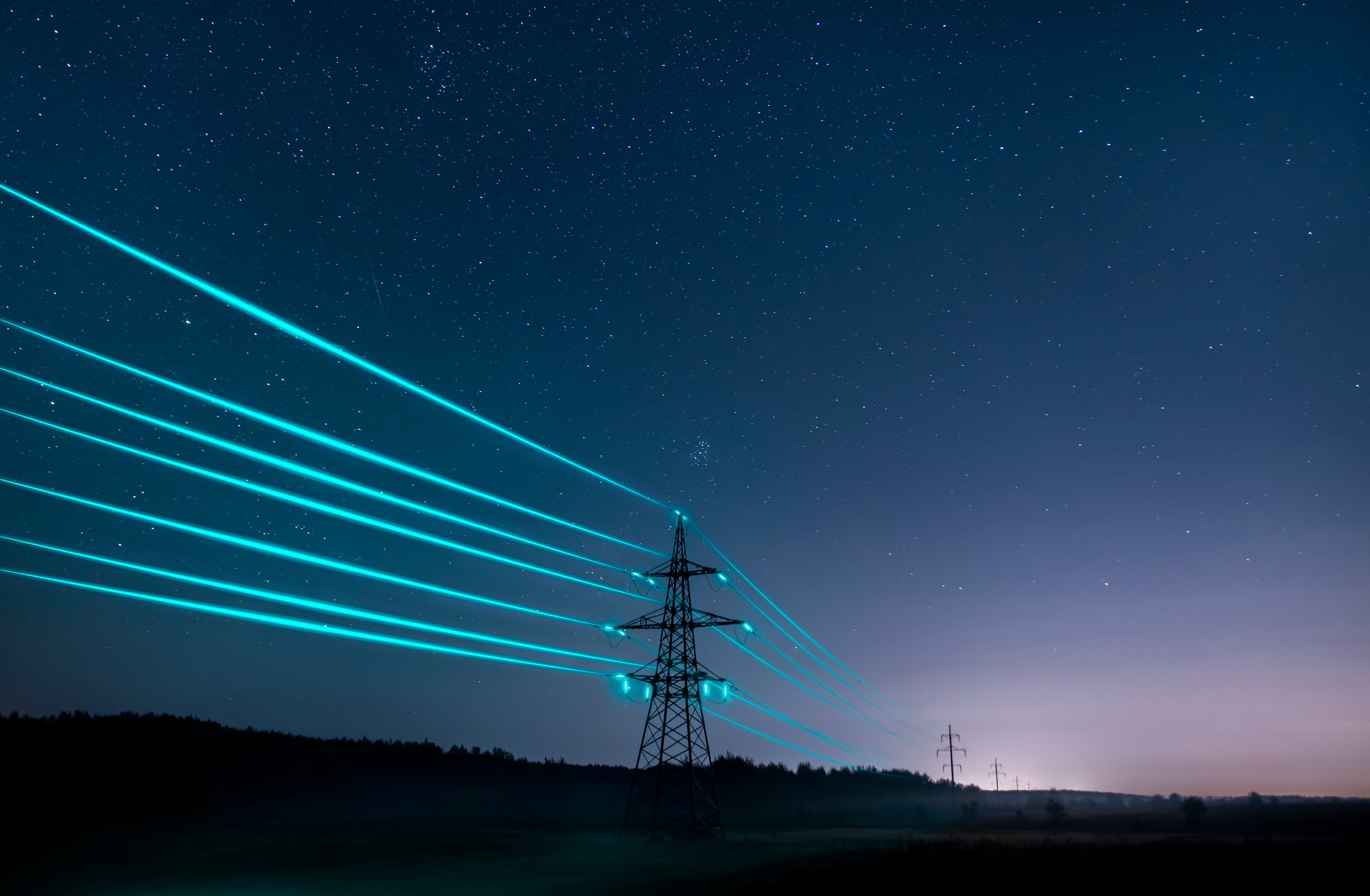
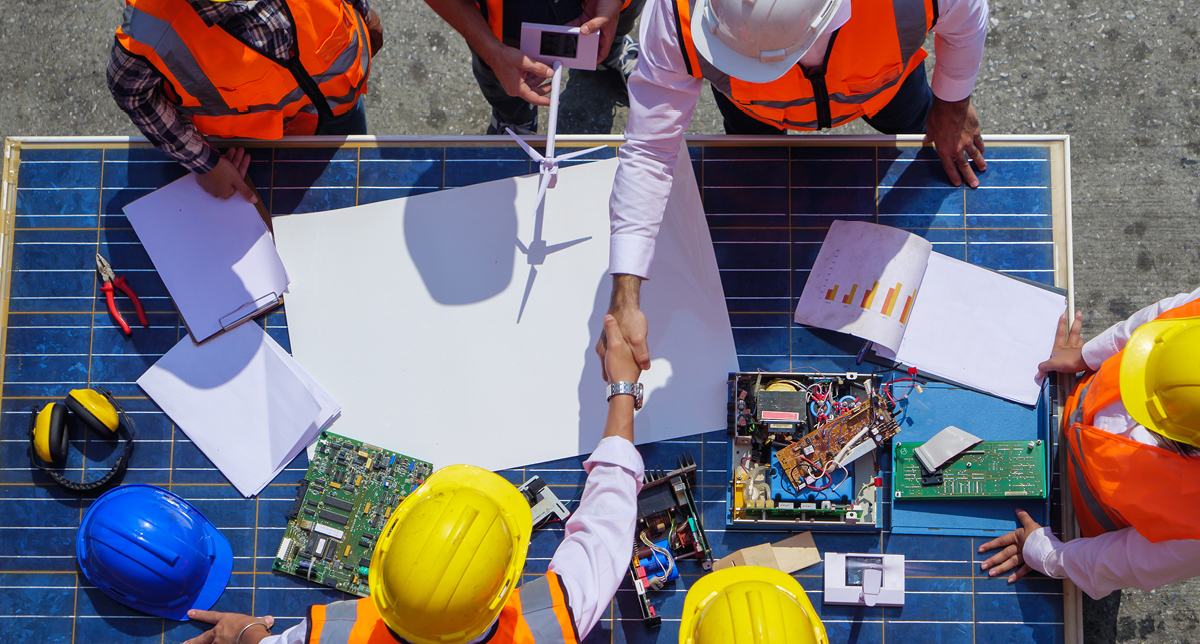
Additionally, onsite field engineering support, commissioning assistance, and troubleshooting help close the gap between design and reliable operation, as well as avoid costly replacement, schedule slippage, and downstream risk.
As effective as these approaches are today, the scale of what's ahead, both in data center demand and grid strain, means the industry can't afford to stand still.
What lies ahead
The future of data center development and grid modernization won't be won by a single technology or product. It will be an amalgamation of several technological advances and solutions working together, with earlier and deeper collaboration across the ecosystem. Future systems must be flexible to accommodate rapid shifts in load profiles, distribution, and storage, and there are many considerations utilities and data center developers should consider when planning for the future:
- Digital visibility: We’ll likely see a growing demand for digital visibility, like smart sensors, real-time monitoring, and predictive analytics across both data centers and the grid.
- Resiliency: Resiliency will become even more central, with redundancy, hardening, undergrounding, and backup power solutions to withstand extreme weather and reliably keep up with current power demands for data centers and beyond.
- Scalability: Scalability needs to be designed in from day one, since today's 500MW-1GW campus is going to be larger in the future, and computing demands will most likely increase.
- Technological readiness: It will be crucial for contractors and partners to be aware of new technologies, like DC architecture, microgrids, and advanced cooling, and be willing to adopt them early.
This convergence between data centers and the grid is only accelerating, and it's raising the bar for everyone involved. Success will belong to the utilities, developers, manufacturers, and contractors who treat power delivery as a shared engineering challenge rather than a series of separate handoffs. That shift is what will separate the builds that stall from the ones that scale.
To learn more about how data demand is reshaping electrification, and what it takes to power the next generation of digital infrastructure, download Southwire’s Energizing the Digital Era guide.
More from Southwire
-

Sponsored The transformation of transmission
Preparing power infrastructure for future data demand with Nedra Hurley of Southwire
-

Sponsored Data center sustainability starts with electrical infrastructure
As hyperscale growth continues and sustainability expectations intensify, sustainable electrification will increasingly depend on how intentionally the industry approaches electrical infrastructure decisions
-

Sponsored Powering smarter: The decisions that determine data center performance
The data center industry has a power problem, but it’s not the one everyone is talking about
Comments