
Seven trade organizations representing the US space industry say that cuts to the Office of Space Commerce (OSC) will increase risks to satellites.
OSC, which is set to see its budget cut by nearly 85 percent, provides space traffic coordination support to US satellite operators, alongside other duties.

"Helping the US space industry operate safely in an increasingly congested space domain ensures space-based services like broadband Internet and weather forecasting are available to the American people," the trade bodies said in a letter to Congress.
SpaceX and Blue Origin are both among the 450 companies represented by the letter.
"Without funding for space traffic coordination, US commercial and government satellite operators would face greater risks – putting critical missions in harm’s way, raising the cost of doing business, and potentially driving US industry to relocate overseas."
Without OSC, space traffic coordination could move to the Department of Defense "despite longstanding US policy favoring civil oversight," the trade bodies warn. This "preserves military resources for core defense missions and prevents the conflation of space safety with military control," they state.
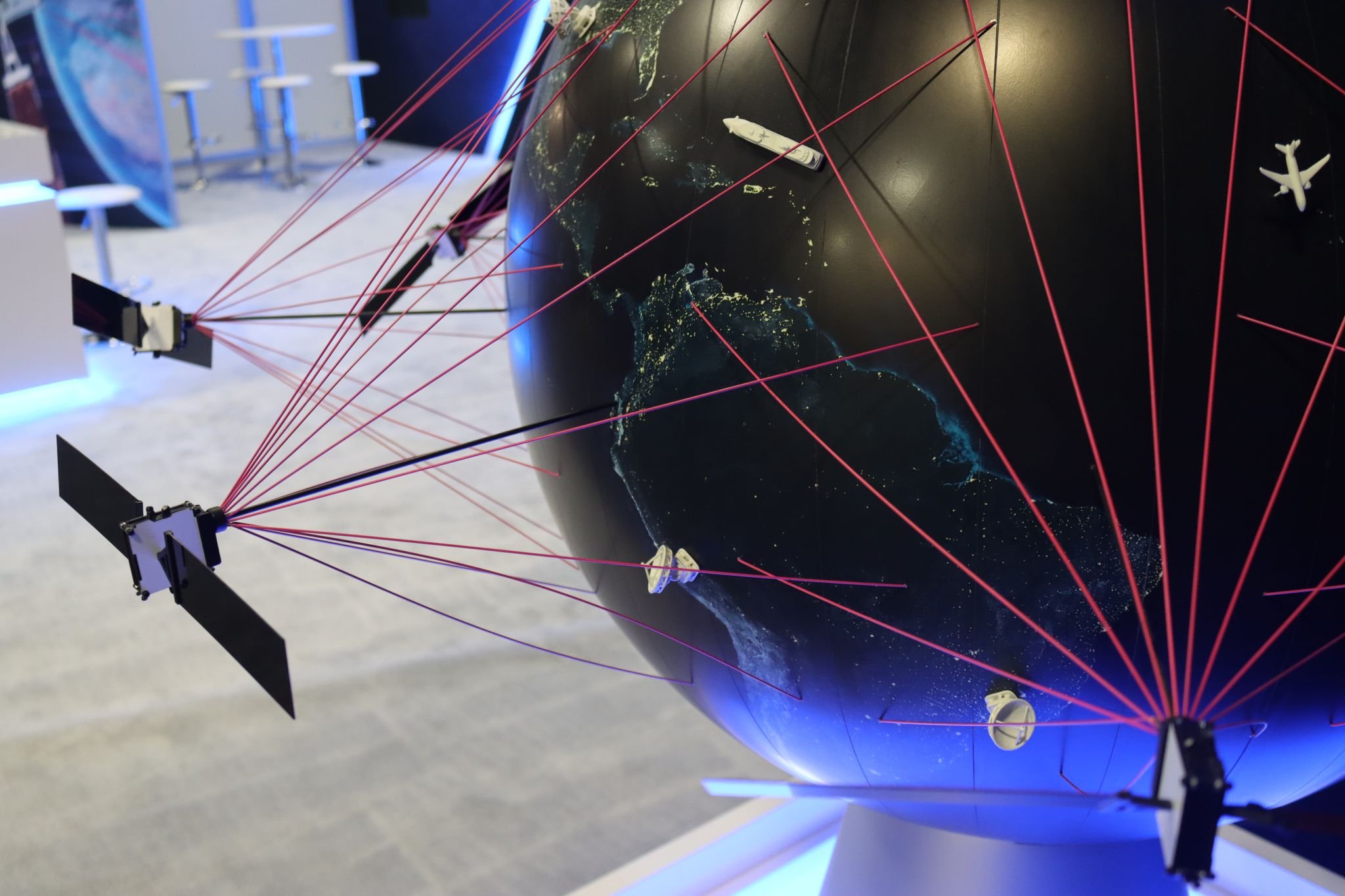
The number of satellites in space has increased dramatically due to lower launch costs and the birth of mega constellations. SpaceX's Starlink leads the pack, with more than 7,000 satellites in low Earth orbit.
As the number of satellites grows, so does the challenge of traffic management. Collisions in space could increase the amount of debris, which could lead to further collisions and thus further debris.
The US government has claimed that OSC's delays in implementing its new cloud-based traffic management system showed that the private sector could manage its own fleets.
The OSC's Traffic Coordination System for Space (TraCSS) was months away from fully deploying, but now may not be used.



Comments