
T-Mobile has finalized its $2 billion network expansion in Florida.
In an announcement this week, the carrier said the multi-year expansion of its 5G network has concluded.
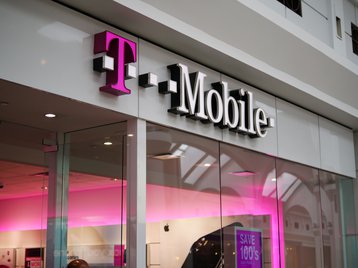
T-Mobile said it has upgraded new and existing cell sites across the state.
In total, the carrier has upgraded 1,350 sites across Florida, while also bolstering 1,375 sites to shore up emergency response and disaster recovery. It now has 1,282 new or retained sites from the merger with Sprint across Florida.
The carrier claims that the upgrades have given users a noticeable 5G speed boost, with average statewide 5G download speeds of 266.7 MB per second, a 216 percent increase since 2021.
"The investment we’ve made is bringing real benefits to the people and businesses that call this state home, not just with the fastest speeds, but with increased resiliency and reliability in moments that matter most,” said Ulf Ewaldsson, president of technology, T-Mobile.
“With the country’s only 5G Advanced network and as the nation’s first provider with a direct-to-cell satellite network, we’re on track to deliver an even better network experience to Floridians - years before anyone else.”
In the company's announcement, T-Mobile also states that its 5G network now covers nearly 100 percent of Florida's population.
The carrier was the first US telco to launch 5G Standalone (5G SA) services, something that it regularly reminds its rivals of.
Of the $2bn investment in Florida, $522.5 million of it was ploughed into Miami, where 361 new sites were deployed.
In Orlando, T-Mobile claims to have close to 100 percent 5G coverage. The telco has spent $204.2m to deploy 126 new sites.
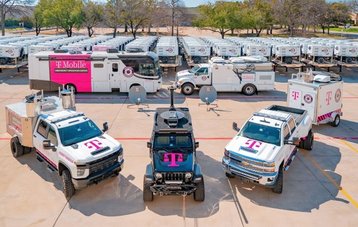
Disaster response boost
Given Florida's propensity to experience natural disasters such as hurricanes, T-Mobile has also bolstered its connectivity to withstand extreme weather as part of its $2bn investment.
T-Mobile said it has "hardened" sites across the state over the past four years, "reinforcing them to withstand high winds, floods, and power disruptions."
As part of this, the carrier has also increased its heavy-duty disaster response satellite vehicles by more than 25 percent within the last year alone.
The carrier said that it has added permanent backup power through generators and batteries at critical sites, and has pre-positioned mobile response units and satellite trailers before storms.
Other disaster readiness initiatives include 24/7 network monitoring and rapid deployment teams, and coordination with state and local emergency management agencies to prioritize public safety communications.
“T-Mobile plays an essential role in keeping Floridians connected — not just in daily life, but when it matters most,” said David Bezzant, vice president, T-Mobile Business Group.
“Through this investment, we’re strengthening communications during natural disasters and closing coverage gaps in remote areas, so people can stay connected in critical moments and in places no other signal reaches.





Comments