
Philippines telco PLDT's wireless subsidiary Smart Communications, Inc. is piloting the use of remote-controlled robotic arms at some of the company's cell tower sites.
According to the carrier, the pilot of the robotic tech aims to enable real-time network optimization and coverage improvement, particularly in underserved areas.
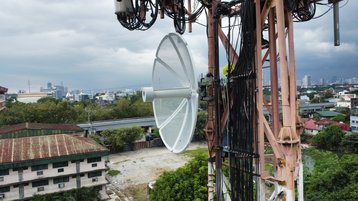
The company is using the Optical Compass and Robot Arm (OCRA) system. Through this system, Smart notes that operators can remotely move antennas, enabling real-time adjustments.
PLDT and Smart have worked with OCRA manufacturer Humax Networks and system integrator Telkha, to launch a Proof of Concept (PoC) for the system to test how it can boost coverage in target areas, cut costs, and enhance overall network performance.
"At PLDT and Smart, we view innovation as a cornerstone of nation-building. By leading the adoption of advanced technologies like OCRA, we are shaping a future where every Filipino has access to reliable, high-quality connectivity, wherever they are," said Menardo G. Jimenez, PLDT chief operating officer and network head.
The pilot saw Smart install OCRA in an existing cell site that serves two locations: a hospital in San Juan and a nearby high-rise condominium.
Initial tests from the deployments delivered an improvement in signal strength, quality, and speed across both locations.
PLDT said the system can address issues in traditional wireless setups, where antennas are fixed in place and adjustments require physical site visits—often costly and time-consuming.
Through the usage of OCRA, Smart notes that it can "remotely fine-tune antenna alignment and optimize coverage in real time, reducing downtime and improving customer experience."
"Enabling remote antenna adjustments also reduces the need for physical site visits and helps telcos avoid unnecessary base station installations, saving time and expense. These efficiencies allow Smart to reinvest in expanding and enhancing its network, ultimately benefiting consumers," said Radames Zalameda, head of the network strategy and transformation office at Smart.
The usage of the robotic tech is also a part of Smart's transition towards AI-driven network optimization by providing real-time visibility into antenna direction—an essential capability for intelligent network management.



Comments