
OpenAI is in talks to purchase power from US fusion energy start-up Helion Energy, which is backed by OpenAI CEO Sam Altman.
According to reports from Axios, which spoke to a person familiar with the matter, the deal could see OpenAI secure a guaranteed portion of Helion's production, starting at 12.5 percent. The capacity would account for up to 5GW of power by 2030, scaling to 50GW of power by 2035. According to the reports, the talks focus on the basic framework of the agreement, with most conditions yet to be agreed upon, such as the selection of a site for energy production.
This is not the first time that reports have surfaced about OpenAI seeking to purchase power from Helion. In June 2024, similar reports emerged, stating that OpenAI was seeking to buy “vast quantities” of energy from the startup
Helion is currently developing its first commercial plant in Chelan County, Washington. The fusion firm still needs to secure the final permits from the state government to energize the project, but said it remains on track to deliver power by 2028.
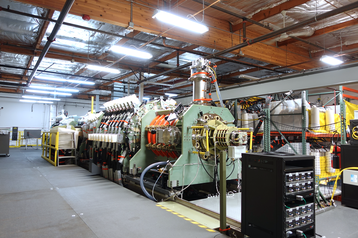
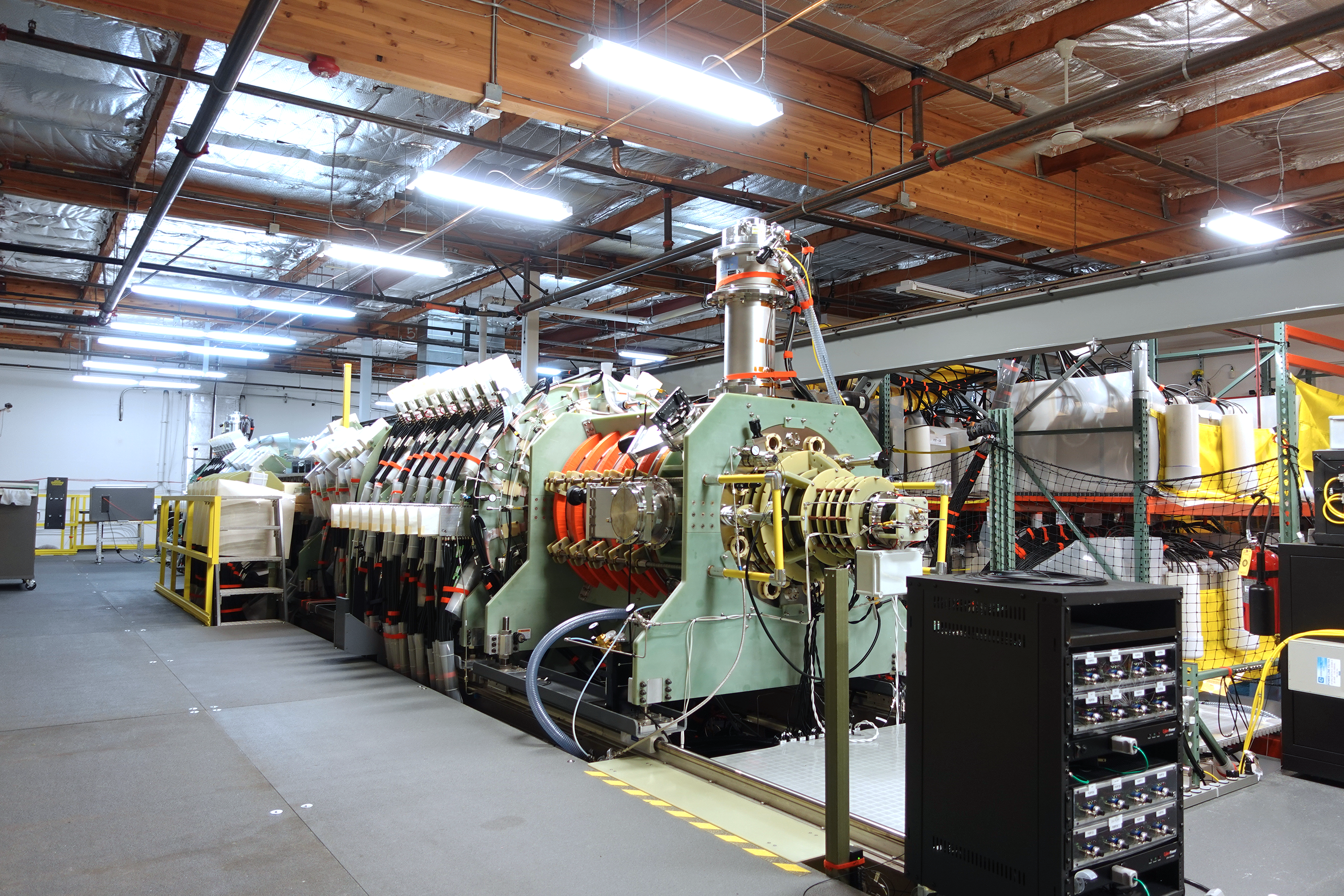
Helion has already built six fusion prototypes, with its latest Trenta, the first privately-funded fusion device to reach commercially relevant fusion conditions, achieving a fuel temperature of 100 million degrees Celcuis, the generally agreed-upon operating temperature for a commercial fusion plant.
In May 2023, Helion became the first fusion company to sign an offtake agreement with a data center company, inking a 50MW Power Purchase Agreement (PPA) with Microsoft.
Since then, it has raised significant capital to support the reactor's build-out. Most recently, in January, it closed a $425 million Series F funding round, valuing the company at $5.245 billion.
Helion is one of the more aggressive fusion companies in terms of timelines. However, concerns exist about the viability of power delivery in such a short time frame. If commercialized fusion is a potentially limitless source of clean energy that follows the same process as occurs in stars. However, despite extensive funding, the technology has been perpetually five years away from being five years away.
Despite this, the hyperscalers have thrown their heft behind the technology due to its unbridled potential. Last year, Google signed a 200MW PPA with Commonwealth Fusion Systems (CFS) to offtake power from its inaugural ARC plant. The plant has a planned capacity of 400MW, and is projected to deliver its first power to the Virginia grid in the early 2030s. Google also has the option to offtake additional power from future ARC plants.
In addition to CFS, Google has also backed fusion developer TAE Technologies, which recently raised more than $150m in its latest funding round.



Comments