
More than 30,000 Samsung Electronics workers have attended a rally in Pyeongtaek, South Korea, to demand that the tech giant share a greater percentage of its AI-driven profits with its workers.
Per a report from Bloomberg, labor unions, including the National Samsung Electronics Union (NSEU), are asking that workers within the company’s chip division receive a share of 15 percent of its operating profits, in addition to the removal of the 50 percent bonus cap and a seven percent pay increase.
This would result in workers receiving a share of around $27 billion, averaging more than $400,000 per worker. Samsung has offered workers a 10 percent profit allocation, a 6.2 percent pay increase, and additional benefits such as preferential mortgage loans.
The union has rejected that deal, pointing to compensation packages received by workers at Samsung’s rival SK Hynix, where the bonus cap has been removed, and a 10 percent share of profits among workers will likely see them receive $477,000 this year, and almost $900,000 next year, according to Korea JoongAng Daily.
“The company has spoken of crisis every year,” Samsung labor union head Choi Seung-ho told Bloomberg. “But in the midst of those crises, it was not management that sustained Samsung Electronics. It was the employees here — the union members — who made the company the world’s leading semiconductor producer, who manufactured, improved processes, worked through the night, and raised yields.”
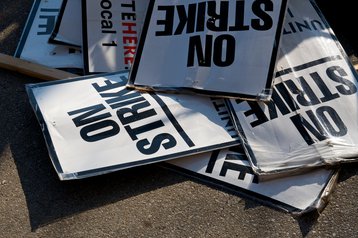
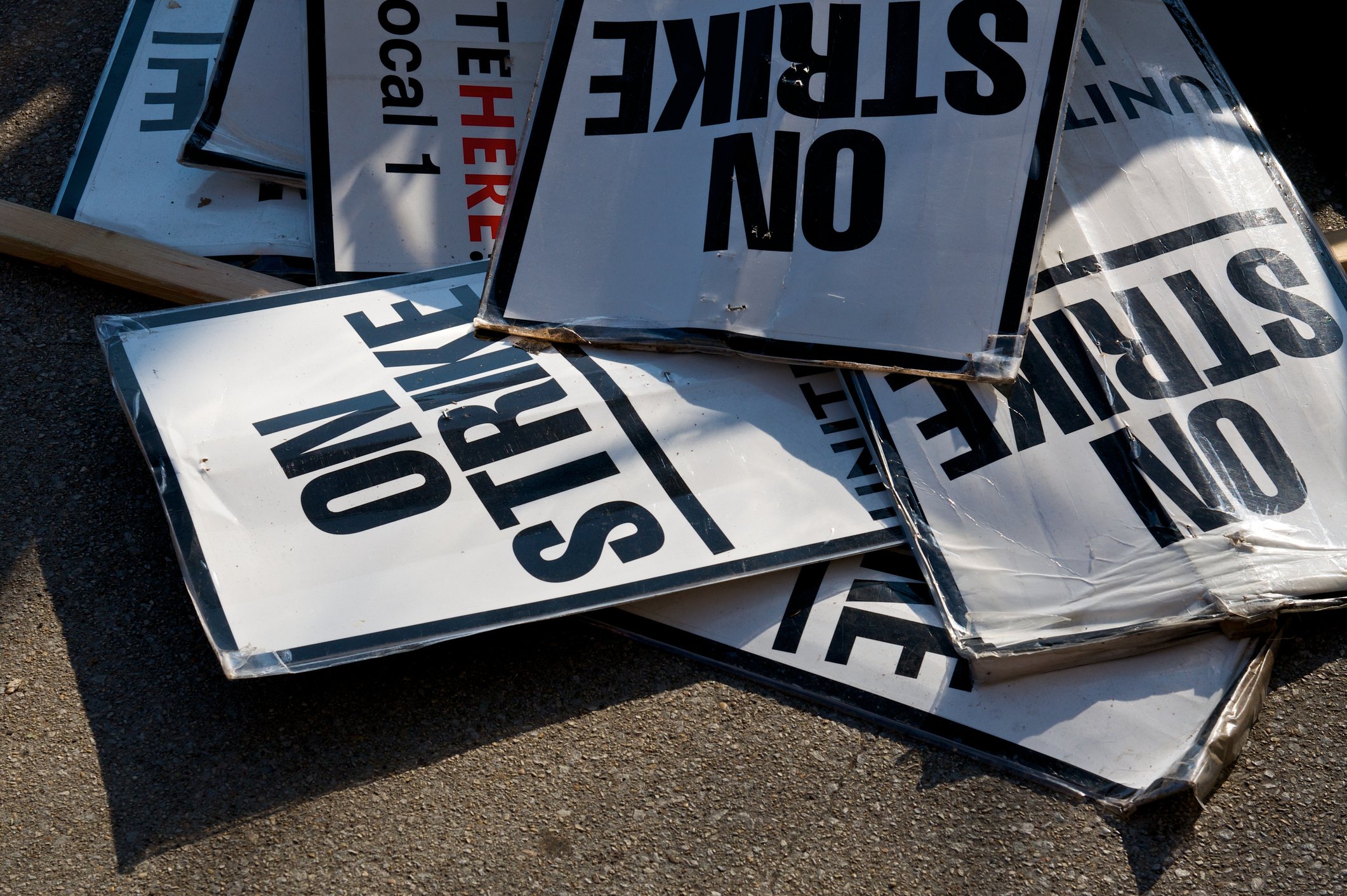
Should Samsung and the union fail to reach an agreement, an 18-day strike will commence on May 21.
More than 66,000 unionized workers voted in favor of strike action in March after mediation efforts were halted. The NSEU had reportedly been engaged in negotiations with Samsung management since November 2025.
Earlier this week, it was reported that Samsung had asked a court to block unions planning strike action at its South Korean facilities from engaging in illegal activities during the walkout.
While the union labeled the move a “declaration of war,” Samsung said the filing was not an attempt by the company to stop the union from legally striking, but rather to prevent those involved from engaging in unlawful behavior, such as occupying production lines.
The walkout will be the second instance of strike action led by the NSEU, with the first taking place in June 2024. It was the first-ever strike in the company’s history.



Comments