
Microsoft-backed nuclear fusion company Helion has raised $465 million in its Series G investment round, led by Thrive Capital.
The fundraising brought the total invested in Helion to date to $1.5 billion, raising the company’s valuation to $15.5bn.
“Fusion is no longer a future idea, but a path to clean, reliable, affordable, always-on electricity at scale. This funding accelerates our ability to deliver on that promise,” said David Kirtley, CEO of Helion. “This support of new and existing investors is a strong signal they believe, as we do, that Helion is best positioned to generate electricity from fusion for customers this decade, not the next, and that we have the right technology and strategy to build the commercial fusion market over the long term.”
The funding round included participation from new investors, including Alta Park Capital, Anti Fund, BoxGroup, Lux Capital, Peak XV Partners, and Ford Motor Company executive chairman Bill Ford, alongside existing investors Capricorn Technology Impact Funds, Lightspeed Venture Partners, Mithril Capital, Dustin Moskovitz through Good Ventures Foundation, SoftBank Vision Fund 2, and a university endowment fund.
Helion is currently developing its first commercial plant in Chelan County, Washington. The fusion firm still needs to secure the final permits from the state government to energize the project, but said it remains on track to deliver power by 2028.
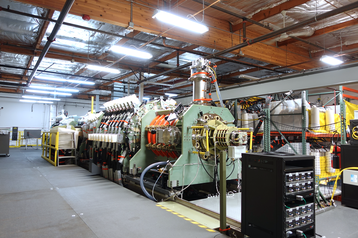
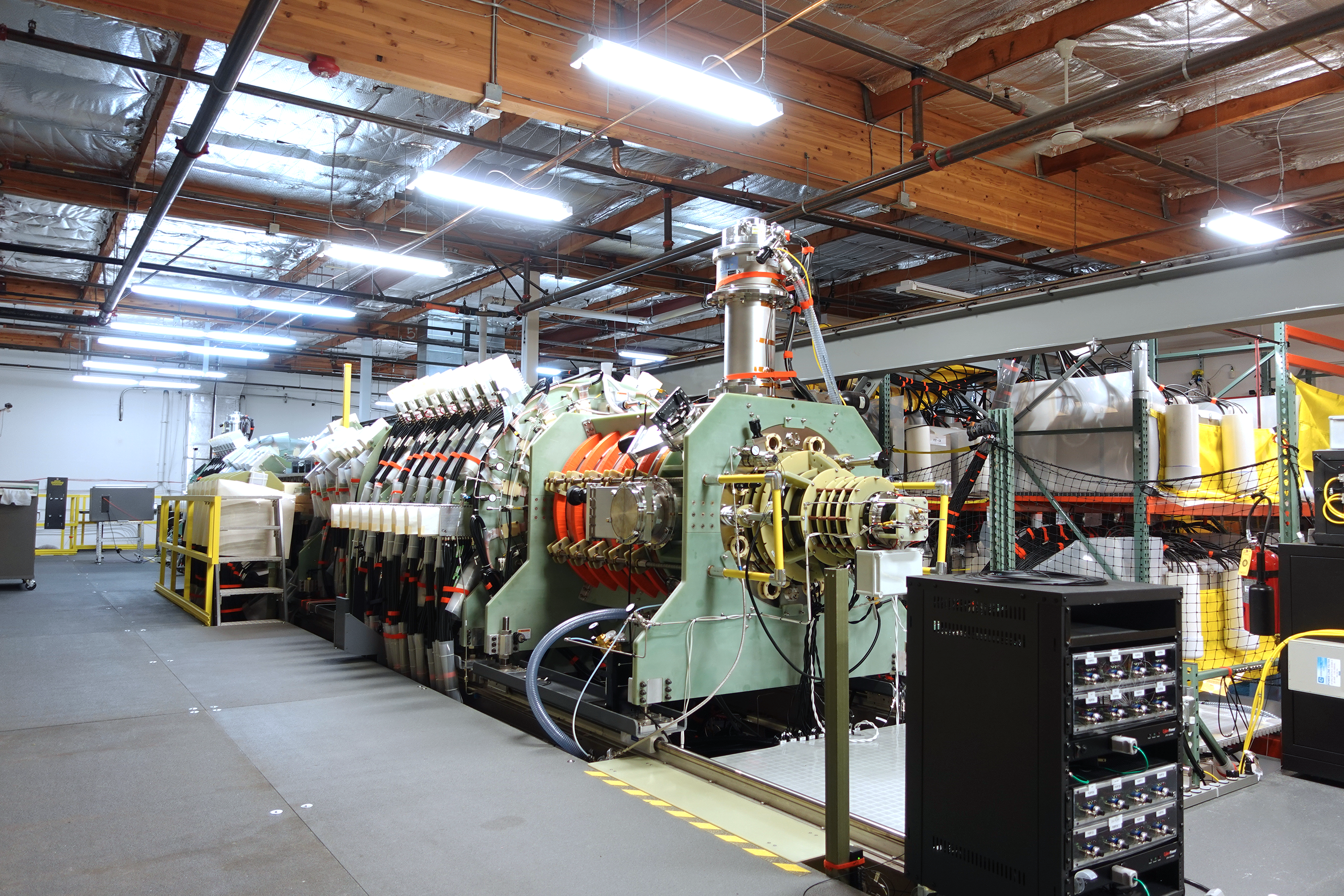
Helion has already built six fusion prototypes, with its latest Trenta, the first privately-funded fusion device to reach commercially relevant fusion conditions.
In May 2023, Helion became the first fusion company to sign an offtake agreement with a data center company, inking a 50MW Power Purchase Agreement (PPA) with Microsoft.
Since then, it has raised significant capital to support the reactor's build-out. Most recently, in January, it closed a $425 million Series F funding round, valuing the company at $5.245 billion.
In March, reports surfaced that OpenAI was in talks with the company to secure a guaranteed portion of Helion's production, starting at 12.5 percent. The capacity would account for up to 5GW of power by 2030, scaling to 50GW of power by 2035. The reports have yet to be formally confirmed by either company.
Founded in 2013, Washington-based Helion is one of the more aggressive fusion companies in terms of timelines. Despite this, concerns remain about the viability of power delivery in such a short time frame. If commercialized fusion is a potentially limitless source of clean energy that follows the same process as occurs in stars. However, despite extensive funding, the technology has been perpetually five years away from being five years away.
Despite this, the hyperscalers have thrown their heft behind the technology due to its unbridled potential. Last year, Google signed a 200MW PPA with Commonwealth Fusion Systems (CFS) to offtake power from its inaugural ARC plant. The plant has a planned capacity of 400MW, and is projected to deliver its first power to the Virginia grid in the early 2030s. Google also has the option to offtake additional power from future ARC plants.
In addition to CFS, Google has also backed fusion developer TAE Technologies, which recently raised more than $150m in its latest funding round.




Comments