
Meta is being looked into by the Democrats on the US Senate Committee on Finance regarding its federal tax filings.
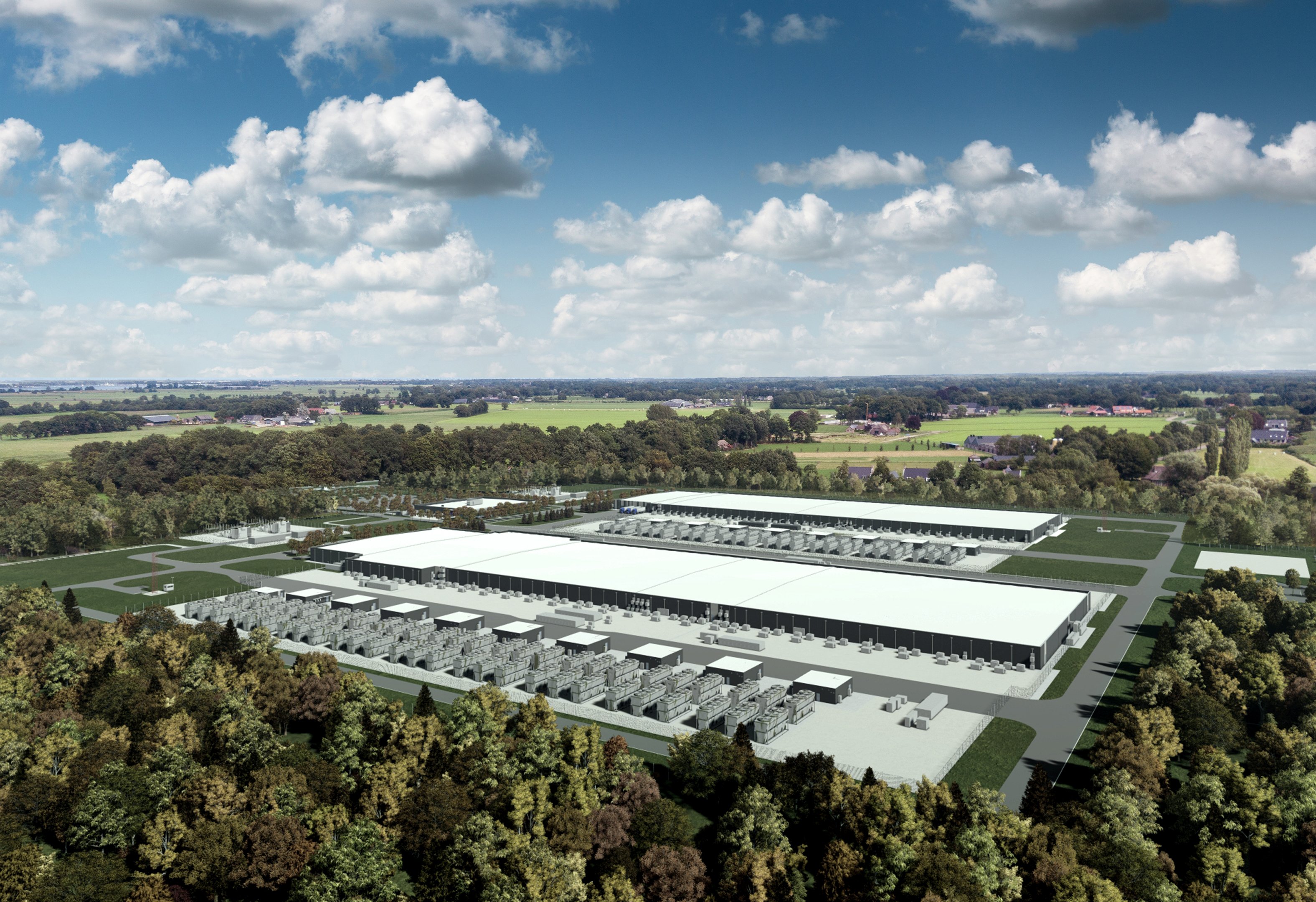
In a letter to CEO Mark Zuckerberg, the Senate noted that public reports suggest Meta has been claiming to the Internal Revenue Service (IRS) on federal tax filings that its AI data centers qualify as “pilot models” and are thus eligible for research credits, reports Bloomberg.
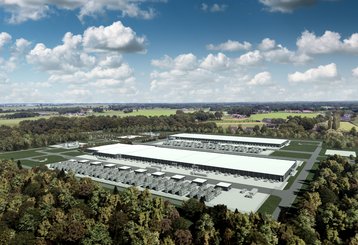
Should this be true, Meta would have saved billions of dollars on its AI data center buildout, including on the purchase of hardware and equipment, which the latter states is “in violation of the spirit and, potentially, the letter of the tax law.”
Research credits are a dollar-for-dollar income tax reduction for businesses that invest in domestic innovation, product design, or process improvements.
In annual regulatory filings, Meta claimed $700 million in research credits in 2023, $2 billion in 2024, and $4bn in 2025. In 2025, all research credits cost the government $32bn, meaning Meta took up more than 10 percent.
The social media giant's capex in 2025 was $72.2bn, up from $37.2bn in 2024. The company is currently estimating its capex for 2026 will reach up to $145bn.
The letter states: “While it remains unclear exactly how Meta was able to reduce its federal tax liability by over $6.6 billion in the last three years using federal research credits, it appears from published reports that a substantial share is by claiming the research credit related to its massive AI data center buildout.
“Under section 41 of the Internal Revenue Code, companies may claim the research credit for costs related to domestic research or experimental expenditures. The research credit is intended to help offset the cost of experimental efforts with a high risk of technical uncertainty; it is not intended for standard business operations or commercially available technologies already in use.”
Meta’s most recent Annual Report acknowledges its “uncertain tax positions,” stating this is related to “uncertainties with our research and development tax credits that are based on an assessment of whether our available documentation corroborating the nature of our activities supporting the tax credits will be sufficient.”
Certainly, Meta has used some uncommon construction methods for its data center buildout, notably building data centers in tents - or rapid deployment structures made of puncture-resistant and waterproof fabric
Finally, the Committee on Finance has called for Meta to provide answers to ten questions by the end of October, 2026. The questions include whether the research tax credits relate to the company’s data center build-out, whether the company consulted with EY or other professional accounting firms before filing to claim the credits, and a request for justification for each year’s research credit claims.
The letter was signed by United States Senators Sheldon Whitehouse, Catherine Cortez Masto, Ron Wyden, Ben Ray Lujan, Peter Welch, and Margaret Wood Hassan, as well as the ranking member of the Committee on Banking, Housing, and Urban Affairs, Elizabeth Warren.
DCD has reached out to Meta for comment.




Comments