
Meta is estimating 2026 full-year capex of between $115-135 billion.
In the company's Q4 2025 earnings call, Meta CFO Susan Li revealed that the hyperscaler is expecting a significant increase in spending, with the growth driven by "increased investment to support our Meta Superintelligence Labs efforts and core business."
This is up from the full year 2025 capex of $72.22bn.
Total expenses, meanwhile, are likely to be in the range of $162-169 billion.
Speaking on this, Li said: "The majority of expense growth will be driven by infrastructure costs, which includes third-party cloud spend, higher depreciation, and higher infrastructure operating expenses."
A significant increase in spending on digital infrastructure is not a surprise, with Meta warning during a previous earnings call that it was planning to "invest aggressively" in AI data centers and cloud capacity, and that this would lead to notably larger capex in 2026.
In November, the company said it would spend $600bn on US data centers by 2028. If this is still the case, it stands to reason that capex will continue to ramp up on a yearly basis.
Earlier this month, the social media giant established a new division dubbed Meta Compute to manage its AI data center ambitions, with CEO Mark Zuckerberg saying that they planned to build tens of gigawatts of capacity this decade, and "hundreds of gigawatts or more over time."
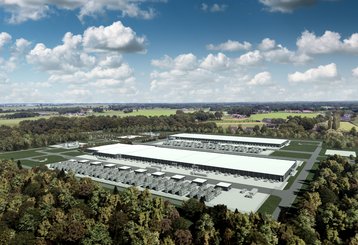
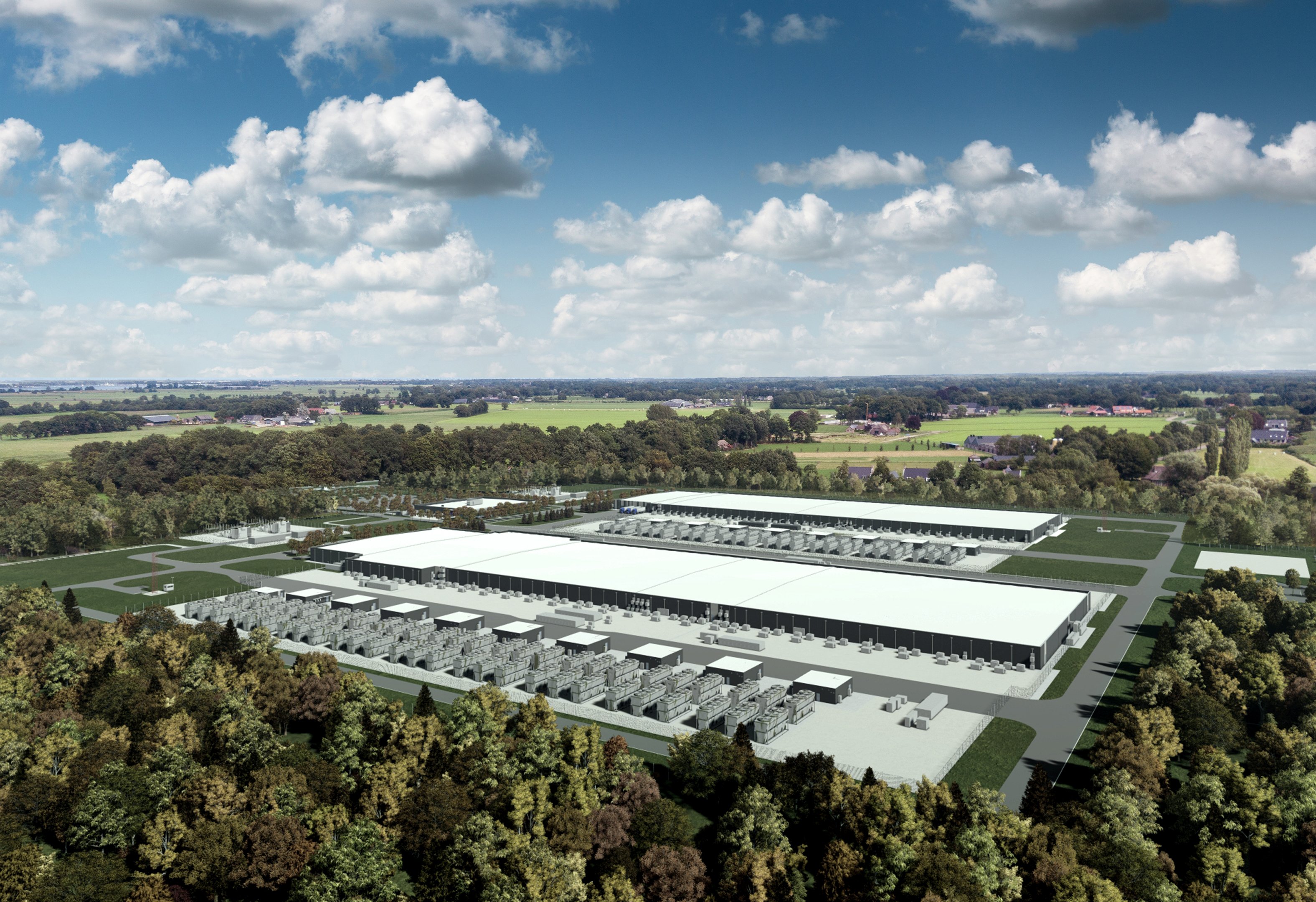
The company is currently working on a gigawatt-scale AI data center campus in Louisiana, funded through a $27bn joint venture with Blue Owl.
Expanding on the growing spending, Li said: "We have significant opportunities to improve our core business in 2026. We plan to continue to prioritize investing in the business to support these opportunities, while also positioning us for an entirely new and exciting product cycle over the coming years, powered by our AI models. Procuring sufficient infrastructure capacity is central to these initiatives, and we’re working to meet our silicon needs by deploying a variety of chips that optimally support each of our different workloads."
In addition, Li noted that the company was prioritizing "long-term flexibility" by "changing how we develop data center sites, establishing strategic partnerships, contracting cloud capacity, and establishing new ownership structures for some of our large data center sites," though did not elaborate.
Zuckerberg noted that Meta is still operating while "capacity-constrained."
"Our teams have done a great job ramping up our infrastructure through the course of 2025. But demands for compute resources across the company have increased even faster than our supply. So we expect over the course of 2026 to have significantly more capacity this year as we add cloud. But we’ll likely still be constrained through much of 2026 until additional capacity from our own facilities comes online later in the year."
On the cloud computing side, Meta reportedly signed a $10bn+ cloud deal with Google in August, followed by a $14.2bn CoreWeave deal last September, a $3bn Nebius contract in November, and is in talks with Oracle for a $20bn contract.
In addition to expanding infrastructure and increasing cloud spend, however, Zuckerberg said the company is also looking to increase its infrastructure efficiency by "optimizing workloads, improving infrastructure utilization, diversifying our chip supply, and just investing in efficiency improvements."
Earlier this week, the company signed a $6bn fiber deal with Corning to help speed up the build-out of its US data centers. As part of the multi-year agreement, Corning will supply Meta with its latest fiber, cable, and connectivity products.
Revenue for the quarter and full year were $59.8bn and $200.96bn, respectively. The company has an operating margin of 41 percent for both the quarter and year, slightly down from 2024.
More in Cloud & Hyperscale

More in The Investment & Markets Channel
-

-

-

Episode DCD>Inside Virginia
Comments