
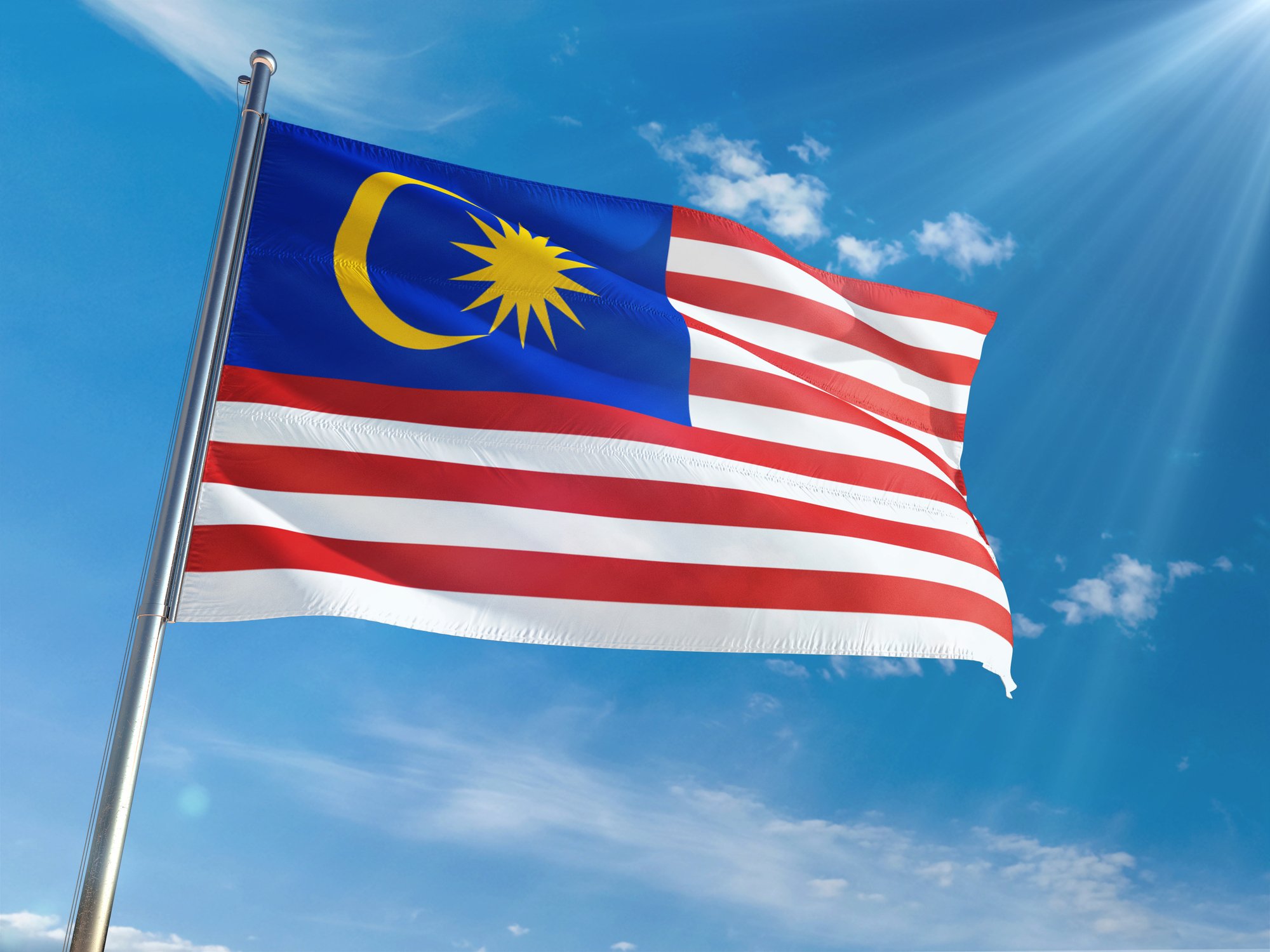
Malaysia has walked back a commitment to use Huawei’s Ascend chips in developing its own AI infrastructure.
The Ministry of Investment, Trade and Industry (MITI) released a statement today distancing itself from a speech made by Teo Nie Ching, the Deputy Minister of Communications, who announced on May 19 that 3,000 Ascend AI chips would be used for sovereign AI infrastructure.

The chips, which would have been used in Malaysian servers to deliver AI-as-a-Service (AIaaS) and GPU-as-a-Service (GPUaaS), were to be provided by 2026. Malaysian AI infrastructure company Skyvast and Chinese server producer Leadyo would also have been involved in the project.
The statement also said that China-developed LLM DeepSeek would be deployed at a national scale.
MITI said that the “said initiative was not developed, endorsed, or coordinated by the Government of Malaysia, nor does it form part of any Government-to-Government agreement or nationally mandated technology program.”
This contradicts Teo’s statement, which claims that the infrastructure was supported by the Prime Minister’s Office and the Ministry of Communications.
MITI reiterated that the government was “keen” on AI infrastructure, but said that “any such initiative would need to go through the appropriate level of legal, operational, and reputational processes and due diligence that are required for a project of such significance,” leaving the future of the project unclear.
DCD has reached out to Huawei and Skyvast for comment and clarification on the current status of the project.
MITI’s statement is likely intended to provide diplomatic cover from the Trump administration’s AI chip export controls. Announced on May 14, it stipulates against using Huawei Ascend chips anywhere in the world.
Signs of retraction began surfacing after David Sacks, the White House’s AI and crypto czar, commented on Teo’s announcement by saying on X that “the full Chinese stack is here… The American AI stack needs to be unleashed to compete.” Teo’s office soon told Bloomberg that her remarks had been retracted, and Huawei then said that the company had not sold any Ascend chips in Malaysia.
But both statements bring out a shared commitment to sovereignty, a concern that looms large as foreign players like Microsoft, AWS, and Google, among others, continue to rush in after neighbouring Singapore issued a moratorium on new data centers in 2019.
MITI’s statement “[reaffirmed] its sovereign right to formulate its politics in line with national interests,” and Teo said that “[Malaysia has] been constrained by foreign infrastructures, cloud dependencies, and barriers to high-performance computing.”
Malaysia’s uncertain role in the smuggling of Nvidia chips has previously drawn the ire of the US, and its unwillingness to test the Trump administration’s mettle highlights the seriousness of AI competition between the US and China.
Just today, China’s Ministry of Commerce said that organizations or individuals who enforce or assist America’s ban would be subject to legal action under China’s Anti-Sanction Law.
Last week, Saudi Arabia and the UAE had signaled alignment with the US through a series of billion-dollar deals.
Export controls have also shut out American companies that once benefited from access to Chinese markets. Also today, Nvidia CEO Jensen Huang expressed displeasure at American export controls, calling them “a failure” that had spurred the country to develop “a lot of local technology.”



Comments