
The US Department of Commerce (DOC) has formally rescinded the AI Diffusion Rule, introduced by Joe Biden at the end of his Presidential term and set to come into force on May 15.
The AI Diffusion Rule restricts the access of AI chips and AI model weights by countries, determined by a tiered system decided by the US government. It essentially blocked or capped the export of high end semiconductors, including GPUs.
The regulation attracted widespread criticism from companies when it was first introduced, with Nvidia publicly calling the rule “misguided” and saying it threatened to “derail innovation and economic growth worldwide.”
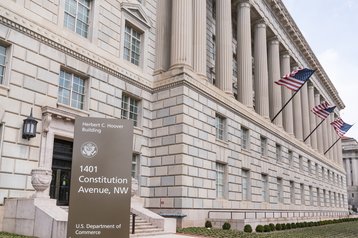
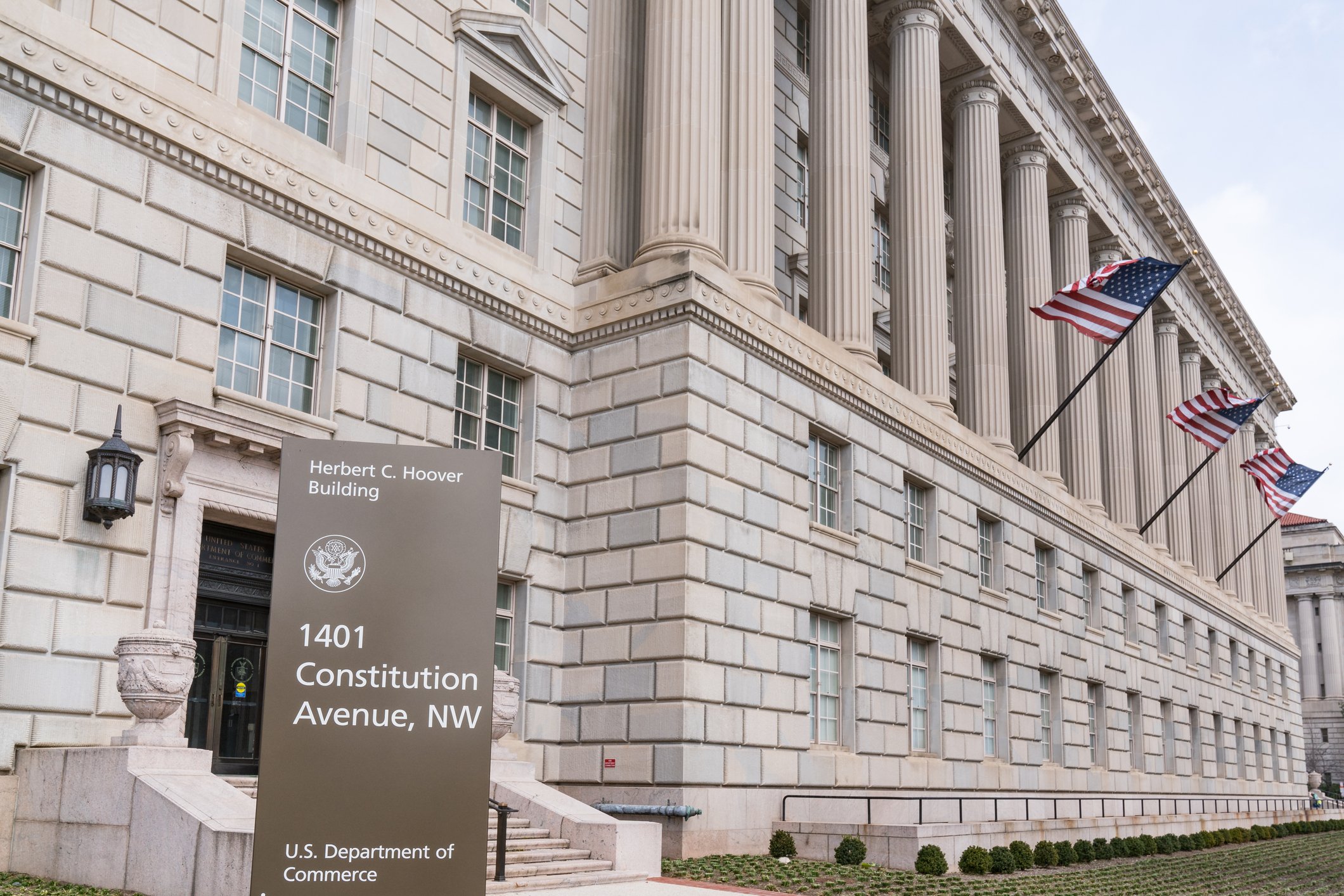
In a statement, the DOC said the rule “would have stifled American innovation and saddled companies with burdensome new regulatory requirements” and, as a result, it has instructed officials at the Bureau of Industry and Security (BIS) not to enforce the law.
Instead, the Under Secretary of Commerce for Industry and Security, Jeffery Kessler, said that the Trump Administration “will pursue a bold, inclusive strategy to American AI technology with trusted foreign countries around the world, while keeping the technology out of the hands of our adversaries.”
While no further information on the “replacement rule” was shared, BIS did announce guidance to “strengthen export controls for overseas AI chips.”
The guidance included a reminder to companies that using using Huawei Ascend chips anywhere in the world violates US export controls; warning about the potential consequences of allowing US AI chips to be used for "training and interference" (we assume BIS mean inference) of Chinese AI models; and issuing guidance to US companies on how to protect supply chains against diversion tactics.
According to a report from the FT, BIS said The Huawei Ascend 910B, 910C, and 910D were all subject to the regulations as they were likely to have been “designed with certain US software or technology or produced with semiconductor manufacturing equipment that is the direct produce of certain US-origin software or technology, or both.”
Separately this week, Republican Senator Tom Cotton introduced legislation that, if passed, would require high-performance technology, including AI and HPC servers, to contain geo-tracking features, to “prevent advanced American chips from falling into the hands of adversaries like Communist China.”




Comments