
Dominion Energy, Virginia’s largest utility company is suing the US government over its stop-work order that directed all major US offshore wind projects under construction to pause while federal agencies review alleged national security risks.
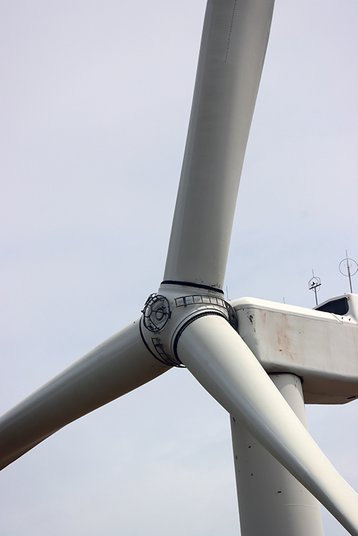
The company which is developing the Coastal Virginia Offshore Wind (CVOW) project, an under development 2.6GW offshore wind project, argued that the wind farm is crucial in meeting the regions growing demand for energy, driven primarily by its massive data center market.
“Stopping CVOW for any length of time will threaten grid reliability for some of the nation’s most important warfighting, AI, and civilian assets,” Dominion said in a statement. “It will also lead to energy inflation and threaten thousands of jobs.”
Dominion has said that it requires approximately 27GW of new generation to meet electricity demand, which is forecast to grow 5.5 percent year on year and double by 2039. Much of this demand is tied to the state's data center sector. As of late 2025, the utility reported that it had around 47GW of data center capacity in its pipeline across varied stages of contracting.
Dominion argued that the CVOW project would save customers $3 billion in fuel costs over its first decade; however, with the stop-work order issued months before the project was expected to come online, these plans have gone into disarray.
In response, Matt Middleton, deputy director of communications at the Department of the Interior, said the order was done to put America first “by safeguarding reliable, affordable energy and defending the safety of the American people. We will not sacrifice national security or economic stability for projects that make no sense for America’s future.”
A hearing on the matter is expected to take place today (9 January).
The move by the Trump administration is part of a broader assault on the traditional renewable sector, which boomed under the previous administration. Last July, the US Senate passed President Trump’s “Big Beautiful Bill,” which imposed a 50 percent tax on wind projects and a 30 percent tax on solar projects completed after December 2027, if they cannot prove they haven’t used Chinese components.
According to the Rhodium Group, the excise tax on wind and solar would increase their cost by 10-20 percent on top of losing the tax credits, with the additional costs likely passed onto consumers. This could lead to up to 4,500 clean energy projects not going ahead, potentially adding billions of dollars to annual energy costs.





Comments