
APAC data center firm Digital Edge has secured new debt financing.
The company last week announced the successful closing of its inaugural $575 million holding company (HoldCo) financing.
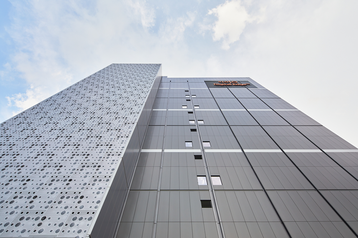
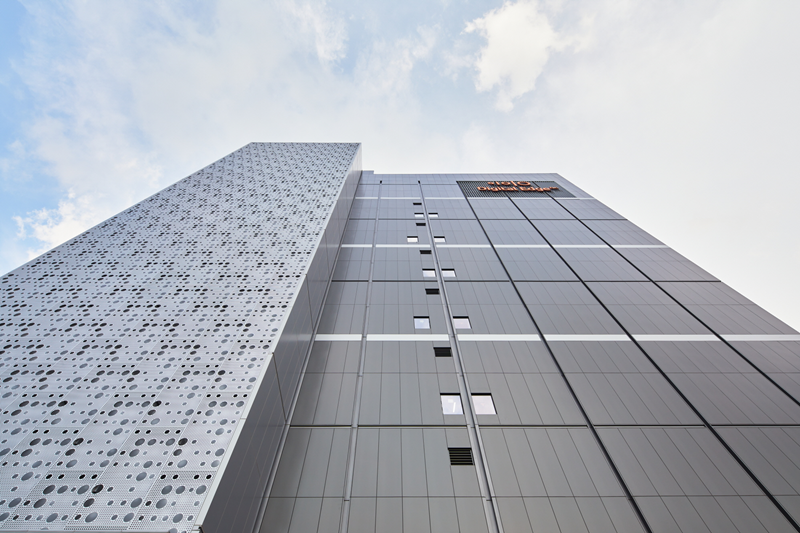
Proceeds from the facility will support the continued expansion of the company’s campus footprints across existing markets, including South Korea, Japan, India, and beyond.
Holdco financing is debt incurred by a holding company, at a level removed from an operating group.
“Since our inception, we have built and scaled a high-performing digital infrastructure platform across Asia-Pacific, supported by more than US$2 billion in green financings – many establishing landmark transactions in their markets,” said John Freeman, Digital Edge CEO. “This HoldCo facility represents the next evolution of our capital structure, extending our sustainable financing approach to the corporate level while strengthening our ability to execute with speed and discipline as AI and hyperscale demand accelerates across the region. The continued support of our lending partners is a strong endorsement of what we have built and the opportunity ahead.”
Clifford Capital, Deutsche Bank, MUFG, Sumitomo Mitsui Banking Corporation, and Standard Chartered acted as mandated lead arrangers and book runners, alongside BNP Paribas and Stonepeak Credit as mandated lead arrangers.
Digital Edge noted the financing includes a feature enabling the borrower to convert the facility into a Sustainability-Linked Loan (SLL), subject to agreement on relevant and ambitious sustainability performance targets. MUFG, Sumitomo Mitsui Banking Corporation, and Standard Chartered will support the facility in this capacity as SLL coordinators.
New York-based private equity firm Stonepeak Infrastructure Partners formed Digital Edge in August 2020. The company has around 25 data centers in operation and under construction, and more than 1.1GW of secured IT power across Japan, South Korea, India, Malaysia, Indonesia, Thailand, and the Philippines.
The company has acquired a number of smaller operators in many Asian markets, using that to gain a foothold before developing larger facilities for hyperscale tenants.





Comments