
Cryptocurrency mining firm CleanSpark has reported that it curbed its Bitcoin mining consumption in Tennessee by hundreds of megawatts at short notice late last year as part of a flexible consumption model.
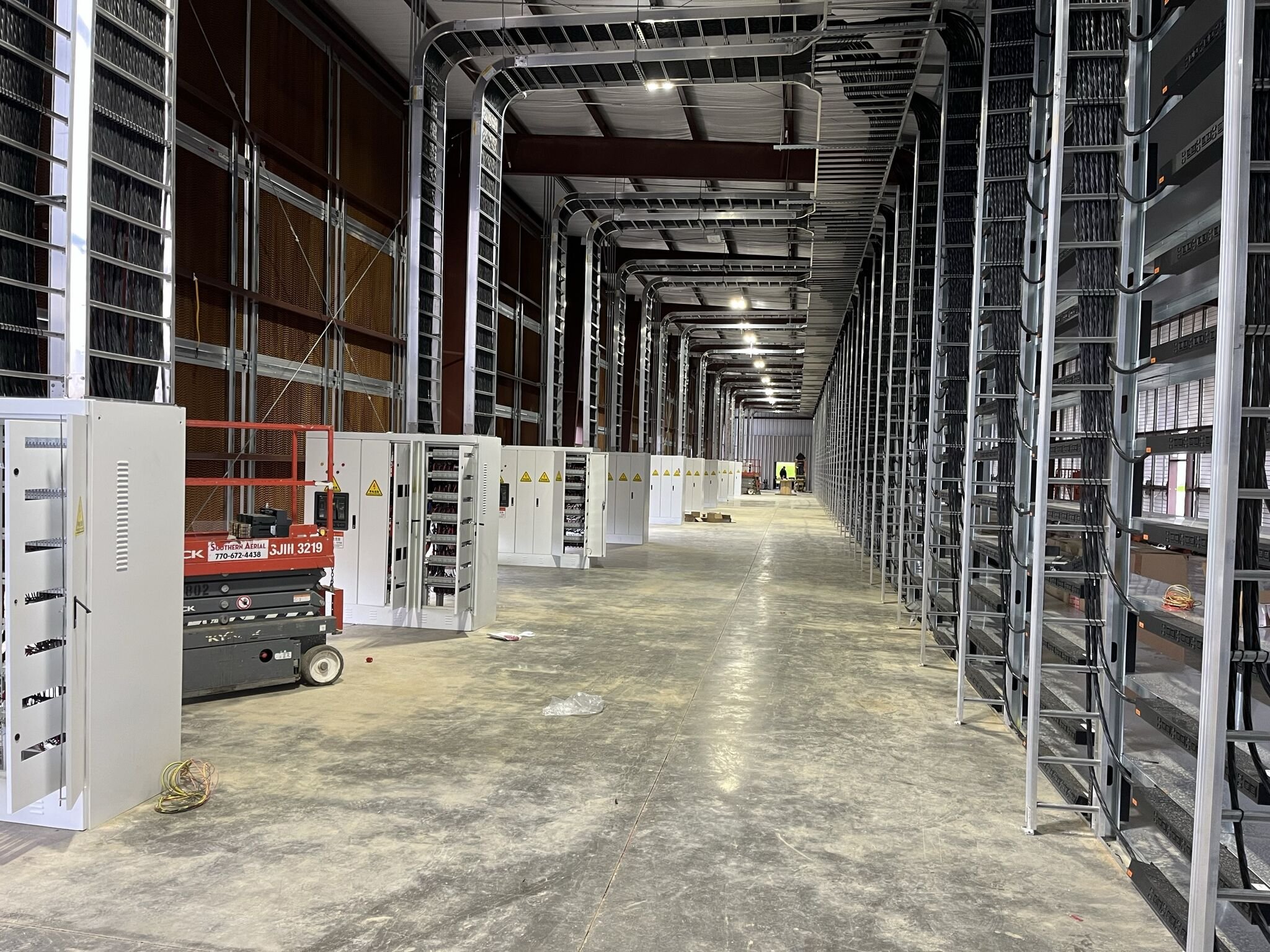
According to the company, it curbed consumption across 11 sites in Tennessee on one of the coldest days of the year, following a request from the state's primary utility, the Tennessee Valley Authority (TVA). CleanSpark said it was able to power down within ten minutes of the request.
CleanSpark said this was made possible by its customized communications system, which allows TVA to swiftly coordinate power curtailment, including the length and volume needed to be returned to the grid during emergencies or increased demand due to extreme weather events. Known as demand response, curtailment helps balance supply and demand, prevent blackouts, and reduce the need for additional power plants or grid infrastructure.
"This curtailment demonstrates our continued commitment to being a reliable partner to utilities and the communities in which we operate," said Scott Garrison, CleanSpark chief development officer and EVP. "We take our responsibility seriously to act as good stewards by leveraging our ability to engage in demand response so our local utility partners can keep the lights on when our neighbors need it most. Our ability to respond rapidly reflects the depth of our technology, expertise, and the strength of our operational discipline. We remain focused on advancing processes that enhance efficiency and ensure our operations are fully aligned with the evolving needs of our partners."
CleanSpark currently operates around 33 Bitcoin mining sites across Wyoming, Tennessee, Mississippi, and Georgia. It recently announced that it was set to pivot towards HPC and AI data center development. Last October, it reported that it had acquired land outside Houston, Texas, for its first AI data center development.
Demand response is becoming a hot topic across the sector due to growing concerns about grid capacity and data center power demand. In August, TVA and Indiana Michigan Power signed a deal with Google to enable demand response capabilities at its data centers doing machine learning (ML) workloads. The deal will see demand response capabilities enabled at a Google data center in Fort Wayne, Indiana. It will also enable long-term resource planning with utilities to integrate flexibility into future grid development alongside Google’s data center infrastructure deployment.
Despite several pilots' demand for flexibility, data centers remain in their infancy and are better suited to cryptocurrency operations, which don't require the constant uptime seen in most traditional data centers. However, as AI data centers gain market share, several companies have emerged promising to provide demand response services using AI.
The most notable of these is Nvidia-backed EmeraldAI, which, through its Emerald Conductor program, can enable data centers to dynamically adjust their energy consumption, supporting grid stability while ensuring acceptable AI compute performance. The company has already undertaken several pilots and, late last year, announced it was set to deploy the software at a planned Nvidia data center in Manassas, Virginia.
DCD interviewed EmeraldAI CEO Varun Sivaram in our latest Magazine. Available for free here.






Comments