
Data center developer Applied Digital said that its plans for a data center near Toronto, South Dakota, were “unlikely to go forward,” in a statement sent to a local news agency, Kelo, on Friday.
“Applied Digital would welcome the opportunity to bring to communities in South Dakota the same long-term economic investment and community partnership reflected in our North Dakota projects in Ellendale and Harwood, supported by a competitive policy environment that enables our customers to operate effectively,” reads the statement.

Executive vice president of external affairs Nick Phillips told Keloland last year that if the project was approved, Applied Digital would become "one of the largest property taxpayers in the state of South Dakota."
Philips also said that neighboring North Dakota, where the company currently operates a campus, offers sales tax exemptions on "computer equipment, cooling equipment, batteries, things like that," but that South Dakota does not, making it more expensive for developers.
Attempts to approve a ruling that would create tax exemptions were also shot down in the state legislature.
Applied Digital proposed the construction of a 430MW data center composed of two 907,000 sq ft (84,263 sqm) buildings last May, and it was reported at the time that the project could see up to $16 billion in investment.
Applied added that it would “continue to monitor opportunities where the right conditions exist for long-term investment.”
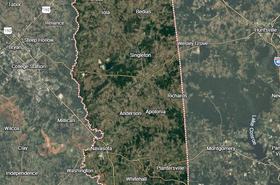
Toronto is a town located in Deuel County, eastern South Dakota, close to the state’s border with Minnesota. It should not be confused with Toronto, the capital of the Canadian province of Ontario.
South Dakota is not a major data center market. Most of the facilities in the Mount Rushmore state are located around the city of Sioux Falls, near the southeastern corner.
Although the statement does not explicitly state the reason behind the developer’s decision to withdraw, it could be related to the potential passage of a bill that would protect residents from increased utility costs and shortages caused by data centers.
Senate Bill 135 – the so-called ‘Data Center Bill of Rights’ – was delivered to Governor Larry Rhoden on March 12, where it will either be signed or vetoed.





Comments