
The data center thermal chain
Managing heat from chip to reuse
Managing heat from chip to reuse

Explore how hydrogen fuel cells can provide zero-emission backup power while helping unlock new data center capacity and resilience

Navigate the future of AI cooling by matching heat rejection technologies to chip temperatures, climate, and long-term efficiency goals

Future-proof AI-ready data centers with hybrid cooling solutions that adapt to evolving workloads while protecting infrastructure investments

How advanced UPS controls stabilize AI driven power fluctuations while protecting batteries and upstream infrastructure in high performance computing environments.

Battery energy storage systems (BESS) as a pivotal solution

Managing energy from grid to chip

Data centers are simultaneously facing multiple disruptors in their power architecture and operations

The Critical Role of Batteries in UPS and Infrastructure

All you need to know about data center standards

The importance of power distribution at the edge

Stop critical systems that sustain your business operations from going down.

A whitepaper looking at the pros and cons of fuel cells

How branch offices, server rooms and network closets can benefit from using lithium-ion battery systems

A whitepaper exploring the methods for recycling used Lithium-Ion batteries

A grid interactive UPS with a properly sized energy storage system can provide fast-enough frequency containment, support income generating services and allow cost savings write Vertiv

Download this free whitepaper from Vertiv analysing a huge change to the healthcare industry.
Download this new whitepaper, brought to you by Vertiv.

Download this free prospectus from Vertiv.

Download this free whitepaper from Vertiv.
How branch offices, server rooms, and network closets can benefit from using lithium-ion battery systems
Now, lithium-ion batteries have emerged as a viable alternative and a growing number of users are evaluating this technology for UPS applications in mission-critical environments.
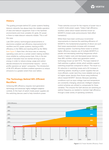
The demand for mobile communication is continuously increasing worldwide. This trend has been obvious for many years, yet substantial investments are still needed to cope with increasing traffic and new services.