

Ask almost anyone in the data center industry what’s holding back the next wave of AI data centers, and you’ll hear the same answer – there isn’t enough power. While that is true, it’s only part of the story. As the utility and data center worlds increasingly overlap, a harder question is starting to surface: is the industry solving the right problems?
The rate of change is outpacing the industry's understanding of what this build-out will actually require in equipment, materials, manpower, and engineering. Additionally, the rapid pace of new chip releases is pushing operators to build faster, adding pressure to data center builders and utilities. Before racing to add more megawatts, we need to understand what kind of power AI really needs, and who has to be in the room to deliver it.
Prioritizing quality over quantity
Data centers and utilities are facing similar technical challenges, just at different scales. Data centers are shifting to DC power inside the facility, on a power grid built for AC, while utilities have spent the last ten to 20 years managing DC-based renewables and inverters on that same aging AC grid.
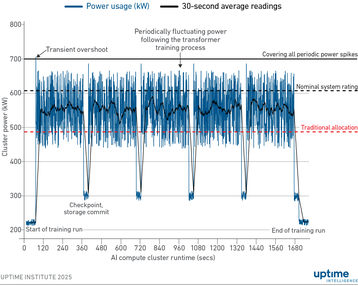
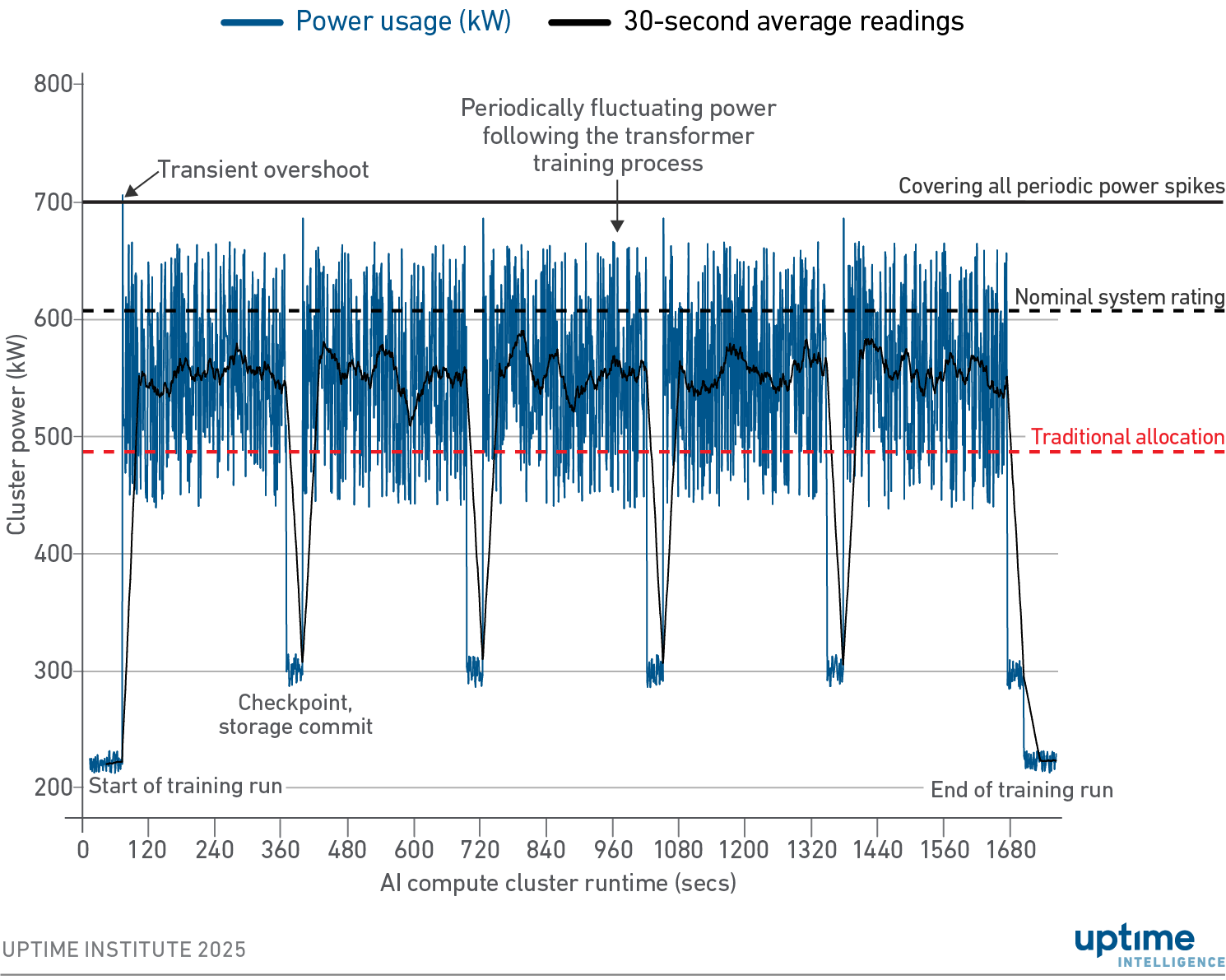
One thing the industry needs to realize is that the grid was designed for steady usage, such as the power that standard homes and businesses draw. Because AI training loads have huge spikes in demand and sudden drops once a task is done, simply adding more power generation isn’t enough to combat the usage AI demands.
Power quality and flow matter just as much as the amount of power, a problem utilities and data centers aren’t addressing as much as power generation.
Why time-to-power can’t be rushed
While power quality and flow are important, power generation, or time-to-power, is still a prevalent issue, as a large AI campus can need as much power as a mid-sized city.
Unfortunately, there are a lot of hiccups in time-to-power before construction even starts, such as finding the space to build a new site, government approvals, fuel supply, and long engineering lead times. Even when a utility builds on land it already owns, bringing new generation online can take approximately five years from planning to operation. This means that new power generation can’t be rushed as quickly as the data center industry is demanding.
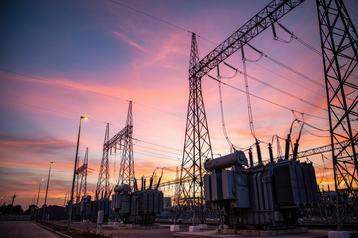
In an attempt to combat this, data centers are trying to supply their own behind-the-meter power by building their own power generation during construction; however, this isn’t the shortcut people think it is. Those exploring building their own power quickly learn how complex reliable utility-grade generation is. Not to mention that operators have strict customer uptime commitments, and any downtime can be costly.
Additionally, most major equipment utilities and data centers need for power generation, such as gas turbines and large transformers, are backlogged for several years.
As much as we’d like to rush time-to-power, it simply cannot happen with the current pressure in supply chain, approvals, and overall demand.
The competition for raw materials
We’re not just seeing a crossover in the demand for power generation for utilities and data centers; we’re also seeing a competition for the same manufacturing equipment and raw materials.
For instance, the transformers needed for new power plants and behind-the-meter power are the same kind needed to replace aging substations, many of which are decades old. The same is true for raw materials like copper, which both industries rely on and much of which is sourced overseas.
A possible path forward from this issue could be more domestic manufacturing or even using AI to help us develop new or alternative materials we can use.
Slowing down to speed up
When facilities are built in a rush without consistent standards, they become harder and costlier to retrofit or upgrade later. While we want to be mindful that there’s a high and prevalent demand and need for power generation, people on both sides of the data center and utility industries need to take the time to think problems through now to save the valuable, limited resources we have and avoid solving the same problem twice.
This is not a unique situation. The US has been through technology booms before, so what lessons can we carry forward as we continue to emerge into the next generation of technology?
For now, let’s focus on one word: collaboration. Not just one company can solve these problems on their own. National laboratories and government-backed efforts are bringing together suppliers, materials companies, manufacturers, chipmakers, hyperscalers, and developers to work through supply chain and power architecture challenges.
It’s also important for the experienced professionals who know how the original grid was built to pass on their knowledge to the next generation who understands how the system should work next. More of this is needed for us to understand the true problems we’re facing and how to appropriately solve them.

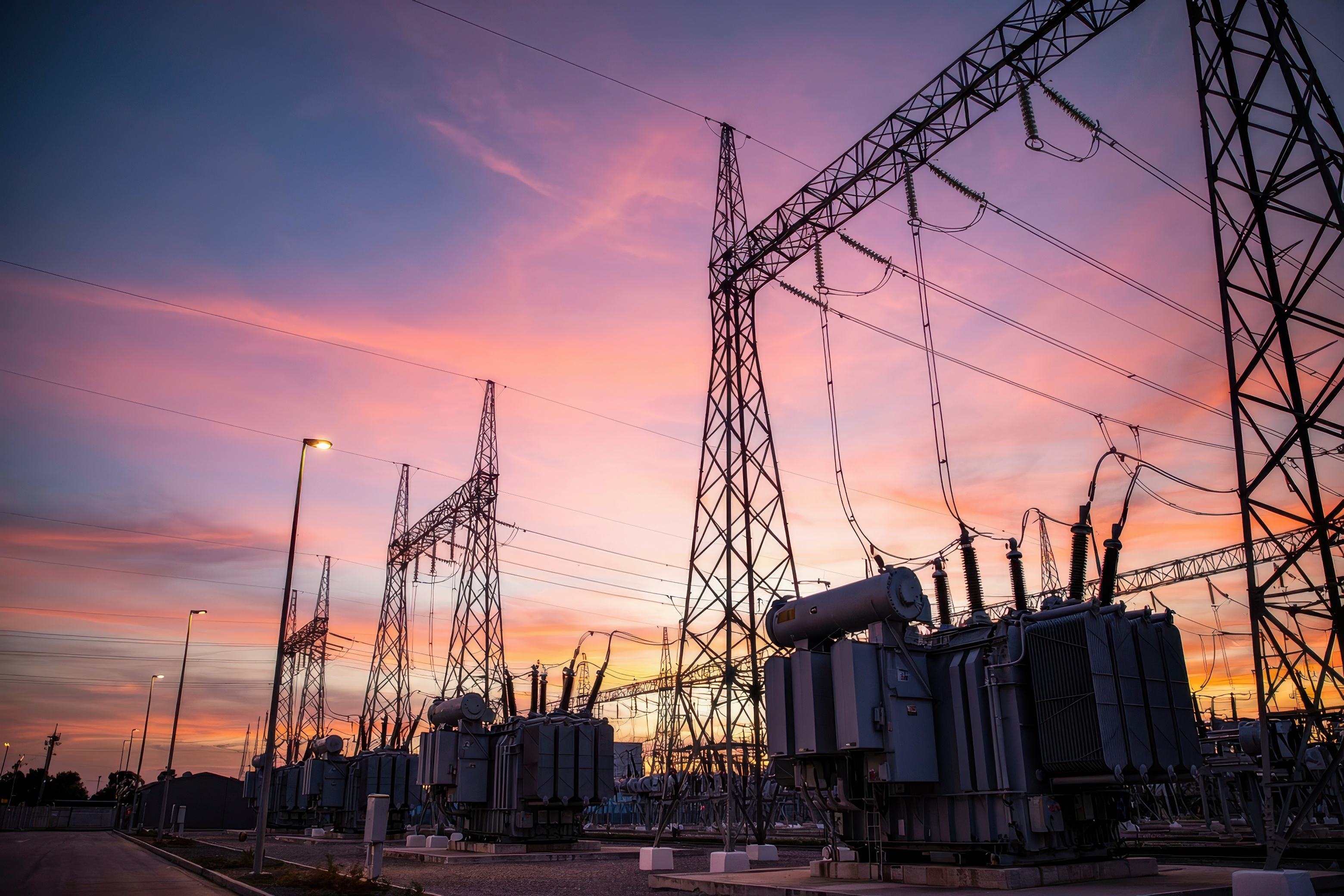

There’s no shortage of urgency in this industry. But urgency without understanding leads to stopgaps, such as facilities that are difficult to retrofit, equipment pulled from the same limited pool our aging grid depends on, and problems we’ll end up solving twice.
Time to power is today’s priority, but resiliency and throughput are the challenges that will define the next decade. The organizations that come out ahead will be fast, but also willing to lean in, learn the true problems, and solve them alongside utilities, manufacturers, hyperscalers, and researchers.
That takes patience, resilience, and tenacity. It’s a mammoth challenge, and it’s also one of the most exciting moments for the industry.
For a deeper conversation on these challenges, join Nedra Hurley at DCD Connect | Virginia for her session, “Power Grid Readiness vs Hyperscale Demand,” on November 4, 2026, from 9:00-9:30am.
To learn more about how data demand is reshaping electrification, and what it takes to power the next generation of digital infrastructure, download Southwire’s Energizing the Digital Era guide.
More from Southwire
-

DCD Talks: Preparing power infrastructure for future data demand with Nedra Hurley, Southwire
Southwire’s Nedra Hurley speaks with DCD’s Zoe Turner about how data demand is transforming power infrastructure needs.
-

Sponsored Data center sustainability starts with electrical infrastructure
As hyperscale growth continues and sustainability expectations intensify, sustainable electrification will increasingly depend on how intentionally the industry approaches electrical infrastructure decisions
-

Sponsored The transformation of transmission
Preparing power infrastructure for future data demand with Nedra Hurley of Southwire
Comments