

Calling my first time in Vegas a sensory overload would be an understatement. But past the glitz and neon signs, more than 7,000 delegates flocked to Caesars Forum to talk data centers.
Energy was the flavor of the week, with much of the show floor filled with energy solution companies flogging their wares to hungry (for energy) data center operators.
The show spanned the full suite, from next-generation UPS developers like ON Energy to a myriad of backup generator and prime power suppliers, and even a flywheel energy storage system.
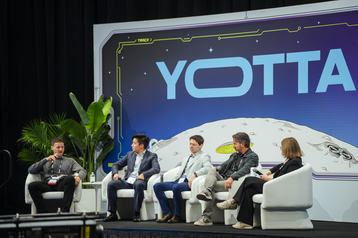
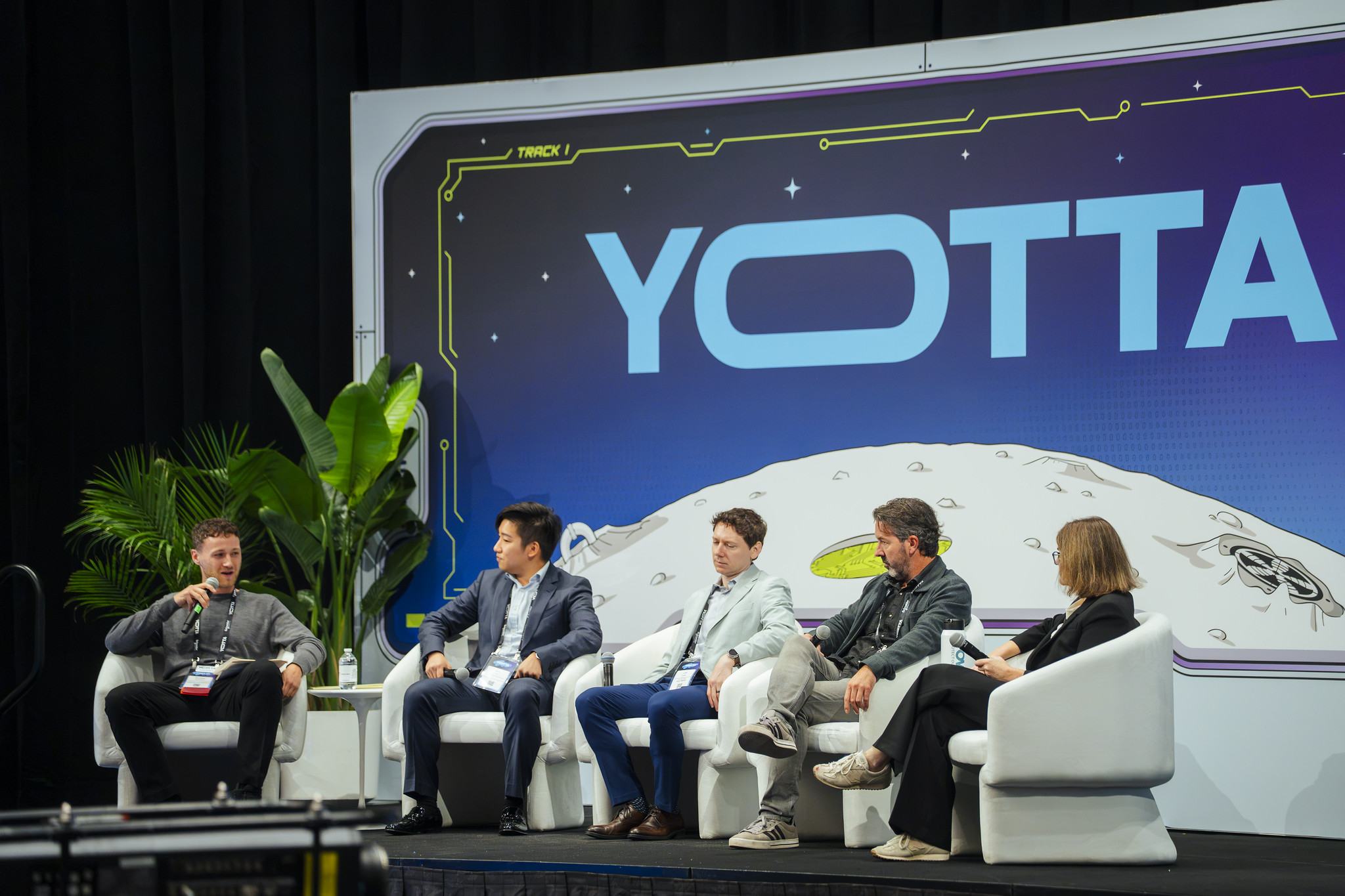
The talks on stage reflected the show floor's makeup, with an eclectic mix of participants covering a wide range of topics. I was lucky enough to moderate two panels myself, including one on Bring Your Own Power, where a panelist harkened back to the days of the Industrial Revolution, when factories deployed their own on-site power generators.
It seems that data centers, under everyone's 'favorite' synonym, AI factories, are increasingly seeking behind-the-meter power to fuel their revolution.
Rate of play: How US states are changing the rules around data centers and power
Data center growth is outstripping the regulations designed to control it. Lawmakers are fighting
The second panel tackled the growing push to regulate data centers by utilities and state governments alike. Community unease permeated the discussion, as an unabashedly pro-data center panel recognized that the onus was on the industry to prove it wasn't just a drain on resources. The panelists agreed that while data centers must be good community members and grid citizens, regulators must catch up to a sector that has expanded too fast for them to keep pace.
Following this, probably the highlight of the show for me. Scott Clavenna led a panel on how AI data centers can move from consumer to a net provider on the grid. Joining him were Tyler Morris of Google, Robin Hytowitz of EPRI, and the CEO’s of Emerald AI and GridCARE, Varun Sivaram and Amit Narayan, respectively.
The concept of moderating AI workloads to act as flexible, demand-response grid assets first gained traction in 2025, as grid constraints grew across the world. As a result, several companies, including Emerald AI, which DCD profiled earlier this year, emerged to offer software services that could automatically modulate workloads in real time. The panelists argued that if demand response becomes an integrated part of all future AI data centers, perceptions of them could shift.
Overall, there was an undoubted air of positivity throughout the show, with an acknowledgment that more should be done. Mentions of an AI bubble were few and far between, with a general sense that the sector still had significant room to grow, and the means to power it were being developed.
However, stepping out of Caesars Forum, the “happy-go-lucky” perception of the sector faded. Only a day later, on a Grand Canyon tour, our guide spoke at length about the impacts of “AI data centers” on water supplies.
As we passed the Hoover Dam, we saw a clear drop in water levels and were told the dam was close to a point where it could no longer produce hydroelectric power. While Yotta demonstrated the work the industry is doing to mitigate its impacts on communities and natural resources, the real-world perception seems hard to shake.

Comments