
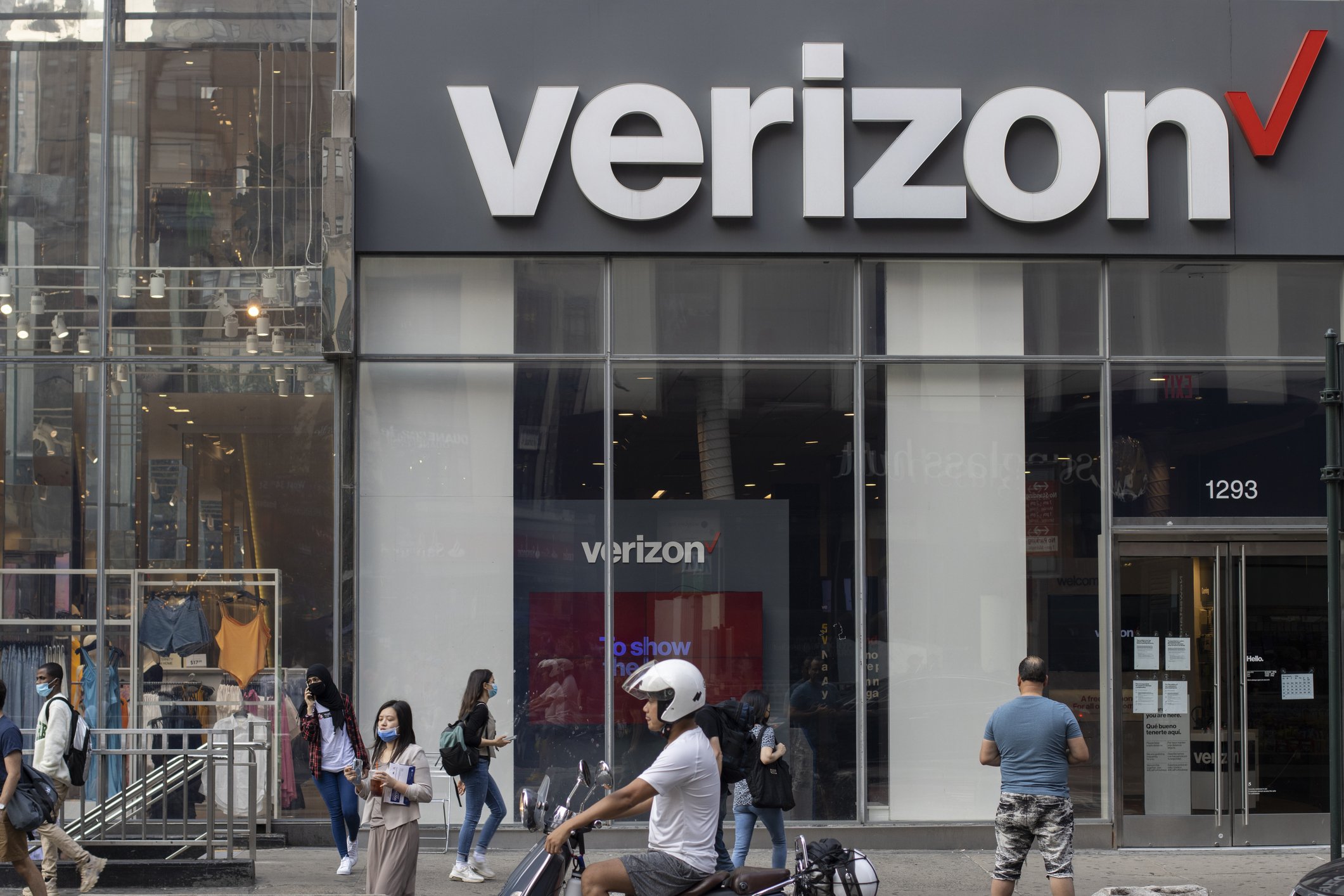
Verizon reported its highest quarterly customer additions across mobile and broadband since 2019 for the fourth quarter of last year, as CEO Dan Schulman declared this is the "new" version of the carrier.
For Schulman, it was his first full quarter in charge at the telco since taking over in October, when he replaced the long-term CEO Hans Vestberg.
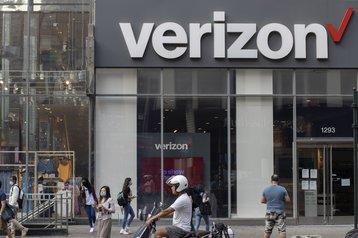
During the company's previous earnings call in October, Schulman hinted at an AI-led revolution at the carrier, shortly before Verizon confirmed it will reduce it workforce by 13,000 in November.
After 100 days in the post, Schulman referred to what he called the carrier's "turnaround story," noting the carrier is "already a leaner, more efficient, and intense organization."
In Q4, the carrier added 616,000 postpaid phone net additions, up from 504,000 in Q4 2024. The telco also added 372,000 broadband net additions in the fourth quarter, plus 319,000 Fixed Wireless Access (FWA) net additions, taking its total FWA subscriber base to 5.7 million.
"The prevailing attitude inside Verizon is that we are now going to play to win, and we will never again be content to be the hunting ground where our competitors take our share and our customers," said Schulman, in a warning to the carrier's main competition.
"In the past 100 days, there has been a true shift in mindset. We are increasing our speed of decision-making and transforming into a leaner, outcomes-oriented organization, one that delights our customers and delivers for our shareholders. This is a new Verizon, and we will not settle for anything less than being the best.”
In the company's earnings call, Schulman added that it's time for Verizon to be "fiscally responsible."
The carrier confirmed that it will further scale back capital spending for this year, reducing its Capex guidance to between $16bn and $16.5bn for the year, down from $17bn in 2025.
Verizon's fiber diet
In the last 100 days, the carrier completed its $20 billion acquisition of Frontier Communications.
Following the closing of that deal, Verizon now has more than 16.3 million FWA and fiber broadband connections, with more than 10.5 million of those fiber customers.
Verizon's fiber network extends to around 30 million locations across 31 states and Washington DC after the company finalized the Frontier deal.
"We intend to continue our fiber build-out, adding at least two million fiber passings this year, with our goal to reach 40 million to 50 million fiber passings over the medium term," said Schulman.
Verizon's rival AT&T has plans to reach 60 million fiber locations by the end of the decade, and has just completed a significant fiber acquisition of its own, in buying Lumen's mass market fiber business for $5.75bn.
The acquisition of Frontier added just over nine fiber locations, after Frontier added approximately 1.3 million new fiber passings in 2025.
Verizon also touched on its deal with Tillman Global Holdings, an agreement the carrier signed with Tillman-affiliate, Eaton Fiber LLC, in October to ramp up its fiber build-out.
Founded in 2021, New York-based Tillman designs, builds, and owns high-speed Internet infrastructure. The business is part of the Tillman Global Holdings portfolio, a holding company created by Sanjiv Ahuja. Tillman appointed former Verizon technology chief Ed Chan as its CEO in June.
"From a fiber perspective, we're not slowing down," added Anthony Skiadas, EVP & chief financial officer at Verizon.
"We'll continue the fiber build pace at least two million prems passed, which is at least the combined pace of both Verizon and Frontier from last year, and 40 million to 50 million passings over time. We have the Tillman partnership as well that we can scale and build to our standards at very good economics."
For the fourth quarter, Verizon reported total operating revenue of $36.4bn. For the full year, the carrier posted operating revenue of $138.2bn, which was down compared to $134.8bn in 2024.




Comments