
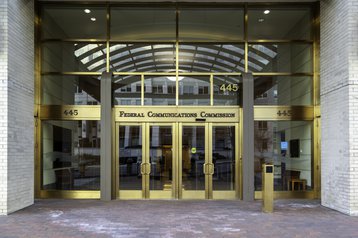
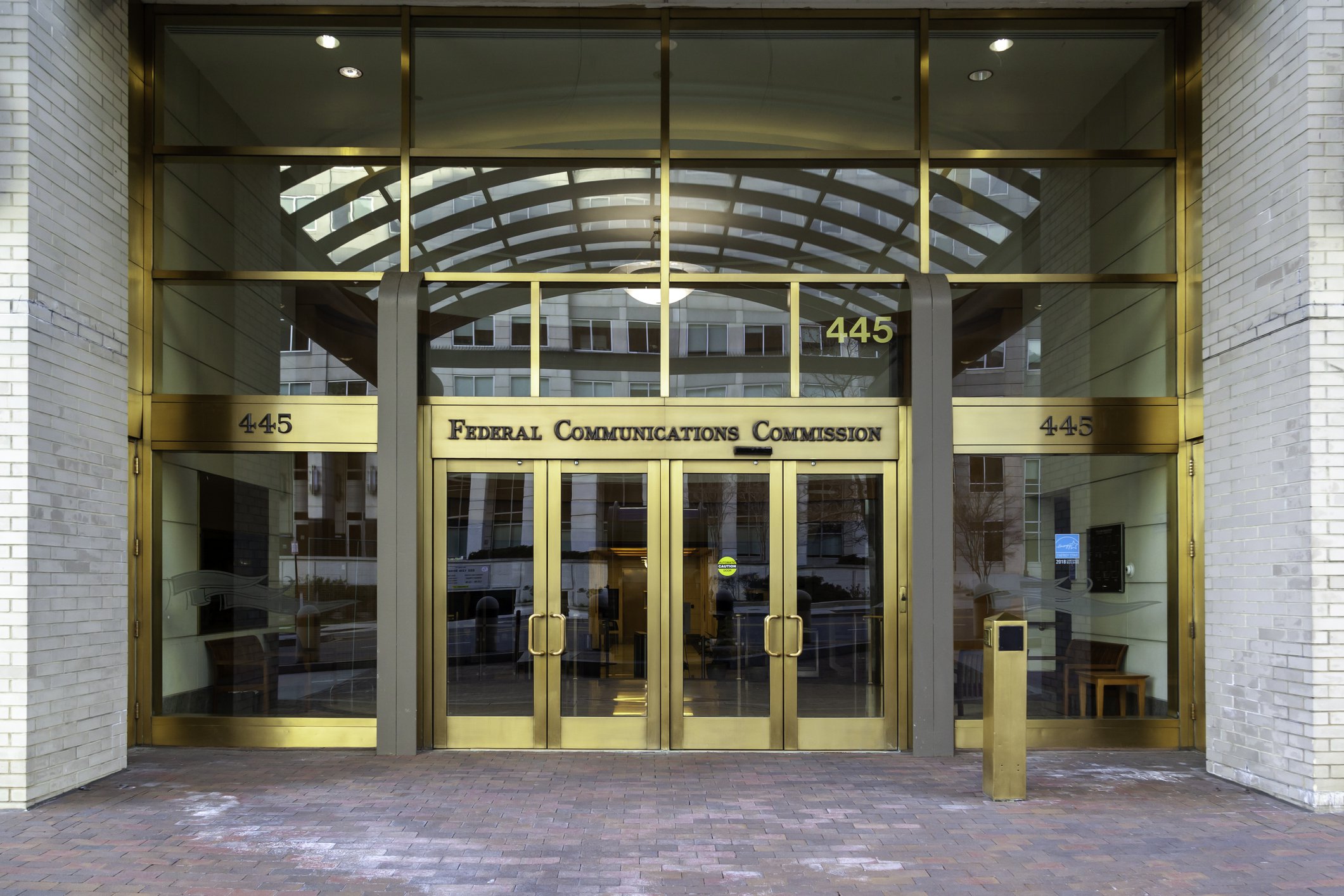
The Federal Communications Commission (FCC) is to vote this month on allowing geofenced variable power (GVP) devices in the 6 GHz band, potentially broadening use cases for short-range hotspots, automation, and indoor navigation.
GVP devices operate at higher power levels than very low power (VLP) devices and are not restricted to indoor use in the same manner as low power indoor (LPI) devices. By placing GVP devices in an unlicensed category on certain frequencies, the FCC contends licensed services can be protected from harmful interference.
With exclusive 6 GHz provision, GVPs will have the potential to power up the booming sector of smart and extended reality (XR) wearables.
“By voting this month to expand unlicensed operations in the 6 GHz band, the FCC enables consumers to benefit from supercharged WiFi and a new generation of wireless devices – from AR/VR and IoT to a range of innovative smart devices. This puts America back at the forefront of technological leadership, benefiting our consumers, economy, and innovators,” FCC chairman Brendan Carr wrote in a statement on the move.
The vote will also see the FCC request public input on ways to enhance the usefulness of unlicensed devices in the 6 GHz band, particularly on allowing composite standard-power and LPI access points to operate at higher power in specific scenarios. There will also be a discussion on permitting LPI access points to be used aboard cruise ships.
Reaction from the WiFi community has been positive to the announcement.
“Increasing the power levels for WiFi connections to peripheral devices such as AR/VR is a big win for consumers long advocated by the WiFi community,” Michael Calabrese, director of the Wireless Future Project at OTI, said in a statement. Calabrese added that indoor-only power limits are “overly restrictive” and hindering the true potential of WiFi 7.
The GVP vote is the Commission’s first major shakeup of the 6 GHz spectrum since a proposal last summer to remove statutory protections for the band, making it eligible for spectrum auction like traditional licensed mobile bands, effectively allowing carriers to buy exclusive use rights. Critics noted at the time this would have harmed WiFi performance through the risk of fewer channels and higher levels of congestion, as well as impacting on progress of new standards such as WiFi 6E and WiFi 7.
While the final Senate budget bill ended up excluding the 6 GHz band from auctions, the FCC would stoke further controversy by voting in November to repeal security regulations on Internet service providers (ISPs). The new framework would see voluntary assurances replace Democrat-era directives on securing network cybersecurity.
Away from the US, Britain’s FCC equivalent, Ofcom, announced last week it would be dividing up the upper 6 GHz band in the UK, with Wi-Fi prioritized in one part and mobile services in the other. Ofcom said these proposals would make the UK the first European nation to commit to sharing 6 GHz frequencies between the two technologies.
Meanwhile, efforts related to the EU's spectrum band allocation were called into question late last year.
The WiFi Alliance and Dynamic Spectrum Alliance (DSA) took issue with the German government's advocacy to prioritize all 700 megahertz of spectrum in the 6 GHz band for mobile networks instead of WiFi.


Comments