
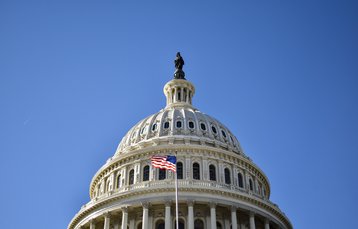
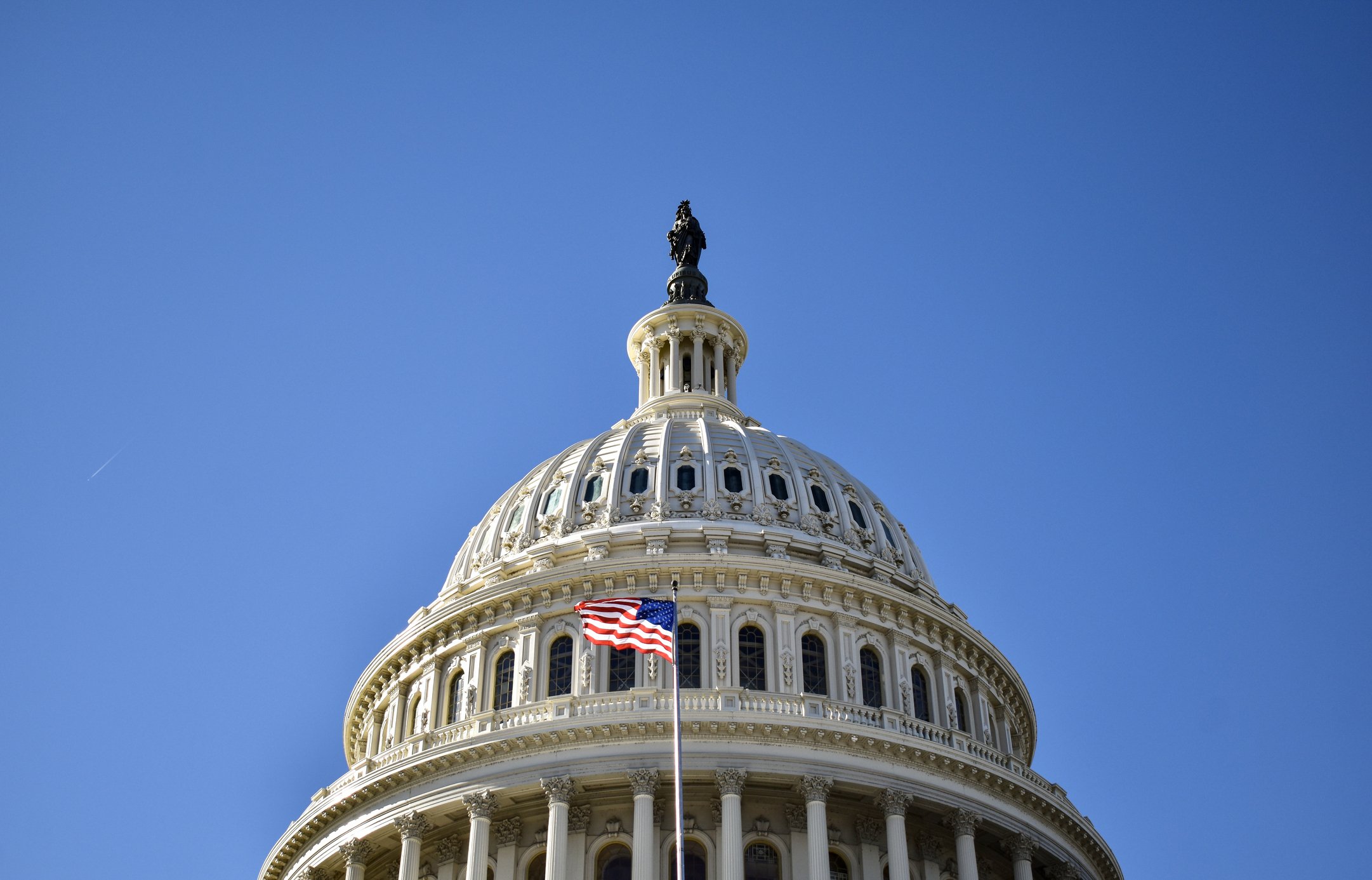
US senators have drafted a tax bill that proposes temporarily increasing the investment tax credit for semiconductor manufacturers from 25 to 30 percent.
It’s hoped the increased tax credit will encourage chipmakers to break ground on new fabrication plants before the uplift expires at the end of 2026, per a report from Bloomberg.
Companies that begin construction before the deadline can continue to claim credits for the length of the project, the report noted, an apparent acknowledgement from lawmakers that building such facilities is a significant undertaking.
On average, it takes around three to four years to build a new chip fab. However, large projects like TSMC's Arizona fab have been hit by delays and worker shortages. Intel has also pushed back the opening of its two fabs in New Albany, Licking County, Ohio, to the early 2030s, half a decade later than originally planned.
Senators are hoping to deliver the tax bill to President Trump before July 4, the report said, noting that lawmakers from both parties who support the act view the tax credit element as the most valuable benefit. It also makes up the largest share of the incentives for current CHIPS Act recipients.
Trump has previously disparaged the Biden-era CHIPS and Science Act on numerous occasions, with Commerce Secretary Howard Lutnick recently telling members of the Senate Appropriations Committee that some of the grants “just seemed overly generous,” adding, “we’ve been able to renegotiate them… for the benefit of the American taxpayer.”
Last week, the Department of Commerce announced an apparent renegotiation of the agreement with Micron, with the memory chip agreeing to invest a total of $200 billion to boost chip manufacturing in the US, a $30bn increase on the company’s previously announced investment plans.
As a result of the additional investment, a further $275 million in incremental CHIPS Act direct funding has been awarded to Micron. Under the Biden Administration, Micron was awarded $6.165 billion in direct funding to support the construction of three new memory chip fabs in Clay, New York, and Boise, Idaho.
Since being elected for a second term, Trump has pledged to “return production” of semiconductors to the United States by imposing a “100 percent tax” on their overseas production, claiming that tariffs would incentivize companies to manufacture chips in the US instead of Taiwan.
Despite this claim, Trump has yet to impose any tariffs on semiconductors.




Comments