
US commerce secretary Howard Lutnick has said that Intel must give the US government an equity stake if the company wants to receive its CHIPS and Science Act funding.
Following his comments during an interview with CNBC, Reuters separately reported that Lutnick was looking into similar arrangements with other chip companies that are set to be the largest recipients of CHIPS Act funding agreements, including Micron, Samsung, and TSMC.
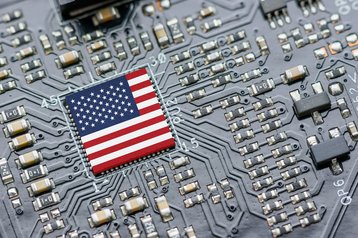
“We should get an equity stake for our money,” Lutnick said during the interview. “So we’ll deliver the money, which was already committed under the Biden administration. We’ll get equity in return for it.”
He went on to say that should such a deal be agreed, the government would not become involved with the running of the company, saying the administration would be a “non-voting” entity. “It’s not governance, we’re just converting what was a grant under Biden into equity for the Trump administration, for the American people,” he said.
Intel was preliminarily awarded $8.5 billion in direct funding under the CHIPS Act in March 2024. However, this figure was reduced to $7.865bn in November of the same year, in part because Intel was awarded a $3.5bn contract with the Pentagon to produce advanced semiconductors for military and intelligence applications.
Earlier this week, SoftBank announced it has agreed to invest $2 billion in Intel, a move that will see the company take around a 2 percent stake in the chipmaker and make it the fifth-biggest shareholder.
This is not the first time Lutnick has discussed renegotiating some of the CHIPS Act grants agreed by former President Joe Biden during his time in office.
Speaking to members of the Senate Appropriations Committee during a hearing on June 4, 2025, he said some of the grants “just seemed overly generous,” adding, “we’ve been able to renegotiate them… for the benefit of the American taxpayer.”
President Trump has long been critical of the CHIPS Act, arguing that the government should levy tariffs on the semiconductor industry instead of handing out grants and loans to chip companies. However, despite saying multiple times that tariffs on foreign-made chips would be imposed imminently, Trump has yet to announce any specific levies on semiconductors.
He last made such a claim on August 15, saying: "I'll be setting tariffs next week and the week after on steel and on, I would say, chips.” The week prior, he reiterated comments from earlier in the year, stating he plans to impose an 'approximately' 100 percent tariff "on all chips and semiconductors coming into the United States."
Companies that are building, or planning to build, in the country will be exempt, Trump said; however, the level of investment required to be exempt from the tariffs was not disclosed.





Comments