
The US Government may allow the Federal Data Center Enhancement Act (FDCEA) to expire.
Citing anonymous sources, reporting from Wired suggests that the Trump administration, along with Congress, have no plans to protect or extend the act or put forward an alternative.

The FDCEA, which was passed in 2023, is a follow up to the now expired Federal Data Center Optimization Initiative and establishes minimum requirements for federal data centers in relation to cyber intrusions, data center availability, mission-critical uptime, sustainable energy use, and resilience against physical attacks and natural disasters.
Under the FDCEA, the US Office of Management and Budget (OMB) enforces federal data center energy efficiency and monitoring standards, with new federal data center builds and upgrades requiring assessment from data center energy-efficiency specialists. The office also requires agencies to consider energy and water use in their designs.
According to Wired, workers at OMB say the agency is not providing any information on how the FDCEA should be sunsetted, or if reporting should continue beyond expiry of the law. Workers speaking to Wired said this signals a more hands-off approach to data center oversight and regulation by the Trump administration.
Speaking to Wired, an anonymous General Services Administration employee said that other administrations would have had further plans in the works for months, and that the lack of any plan is unusual.
In an emailed statement, the FDCEA’s original co-sponsor, Senator Jacky Rosen, said: “Data centers across the country house critical and sensitive information, and we need to ensure they are protected from increased cyber threats and natural disasters. My team and I are aware that the Federal Data Center Enhancement Act is set to sunset this fall and are looking at all options to ensure Americans’ personal information housed in data centers continue to be secure.”
The argument that the US administration's approach to AI and data centers is non-interventionist has taken a hit this month as a number of measures and developments in support of AI and AI data center development have emerged. The Trump administration has argued that AI is key to economic growth and national security.
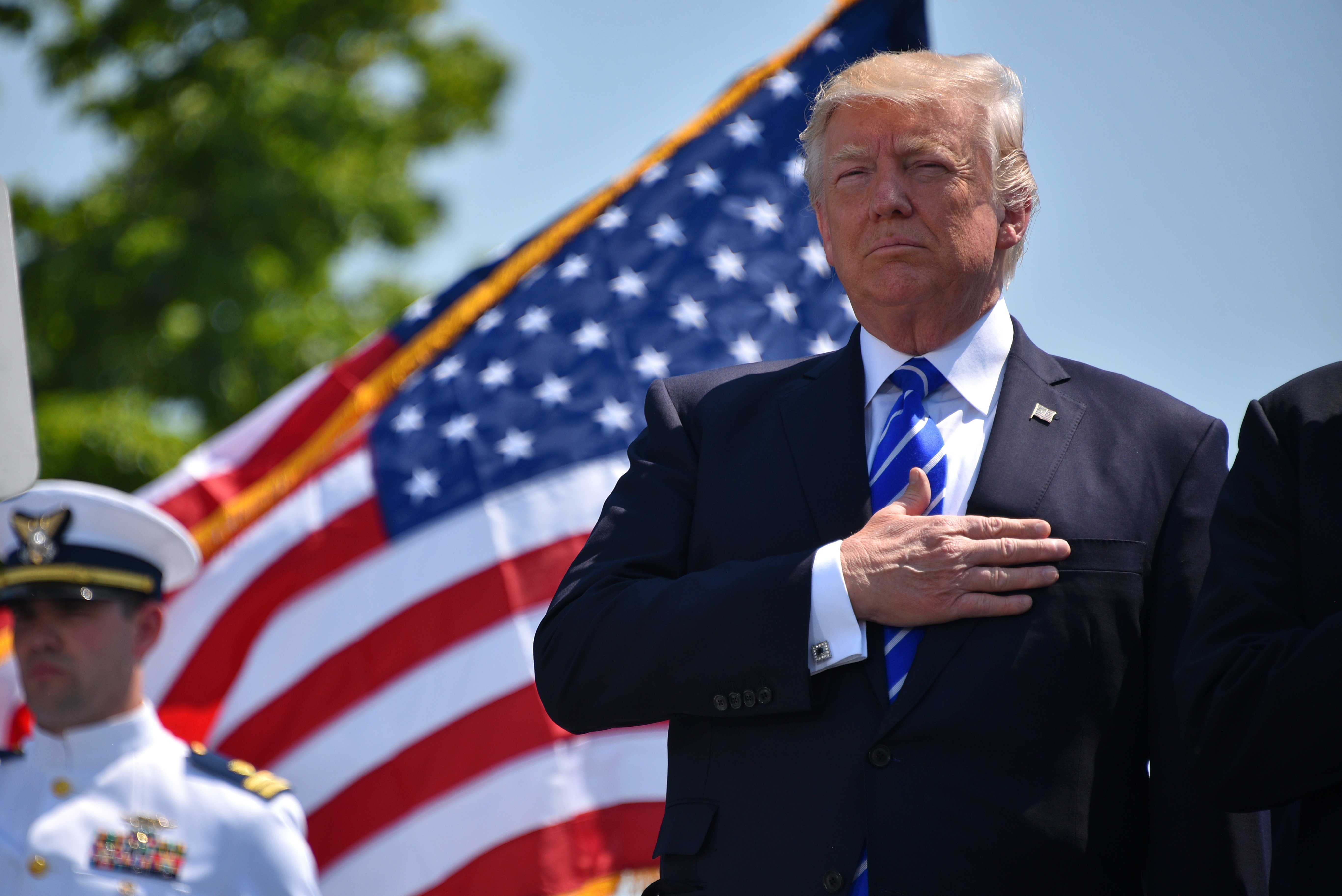
In a June 2 executive order announcing the promotion of AI innovation and security, US President Donald Trump said the government had “slashed bureaucratic constraints the prior administration placed on America’s AI developers and researchers,” and was instead “encouraging AI innovation and accelerating responsible AI adoption across government and industry.”
Later that same week, the White House chose to pause the Center for AI Standards and Innovation’s public reports on its AI model reviews, while another executive order on AI proposes a new framework for AI companies to voluntarily give federal government access to frontier models before their release.
And on Monday (June 15), the US Environmental Protection Agency rejected calls to set nationwide environmental requirements for data centers, arguing that local communities should set guidelines.
The US government also reportedly plans to fund a support package of $700 million for coal-fired power plants to meet growing electricity demand, primarily from the data center market. The government said it expects the majority of the country’s coal-fired plants to delay retirement to help meet demand from the AI data center sector.
Meanwhile, opposition towards data centers is growing across the country as the infrastructure buildout progresses through the public’s backyards.
Among several concerns, many Americans cite energy prices and water use as core issues brought about by data centers in their communities. A recent survey from Gallup showed that 70 percent of Americans oppose local construction of AI data centers, with opposition tied to environmental and quality of life concerns.





Comments