
SpaceX's Starlink satellite Internet unit is gearing up to send a new generation of larger and more powerful satellites into orbit.
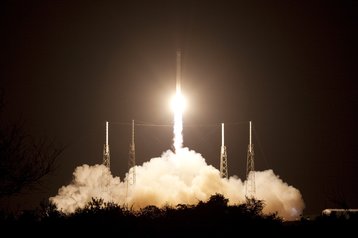
Starlink recently posted a network update which spoke to its third-generation satellites, each capable of more than one terabit per second of downlink and 200 gigabits per second of uplink capacity to customers, which are set to launch in the first half of 2026.
The company noted its latest generation of machines will have more than 10 times the downlink and 24 times the uplink capacity of the second-generation satellites.
SpaceX said each Starlink launch of gen3 satellites on a single Starship could add 60Tbps of capacity to the network, more than 20 times the capacity added with each launch today.
At present, the Starlink satellite constellation possesses a combined network capacity of almost 450Tbps, with a median peak latency of 25.7 milliseconds for American customers, thanks to its strategically placed gateway sites. The company hopes to reach a stable 20 millisecond median latency soon.
The network update also mentions that the Starlink constellation has reached a total of 7,800 satellites serving more than six million active customers globally, and deploys over 5Tbps of capacity per week to the constellation through its second-generation satellites. The company possesses the largest satellite ground network globally, comprising over 1,500 antennas across the planet.
Over the past year, Starlink has expanded to 42 new countries, territories, and other markets while bringing in more than 2.7 million new customers, served by more than 100 Starlink missions adding 2,300+ new satellites. The company’s manufacturing facility in Redmond, Washington, is rapidly scaling its production to match satellite production and launch rate.
The rocky rocket road ahead
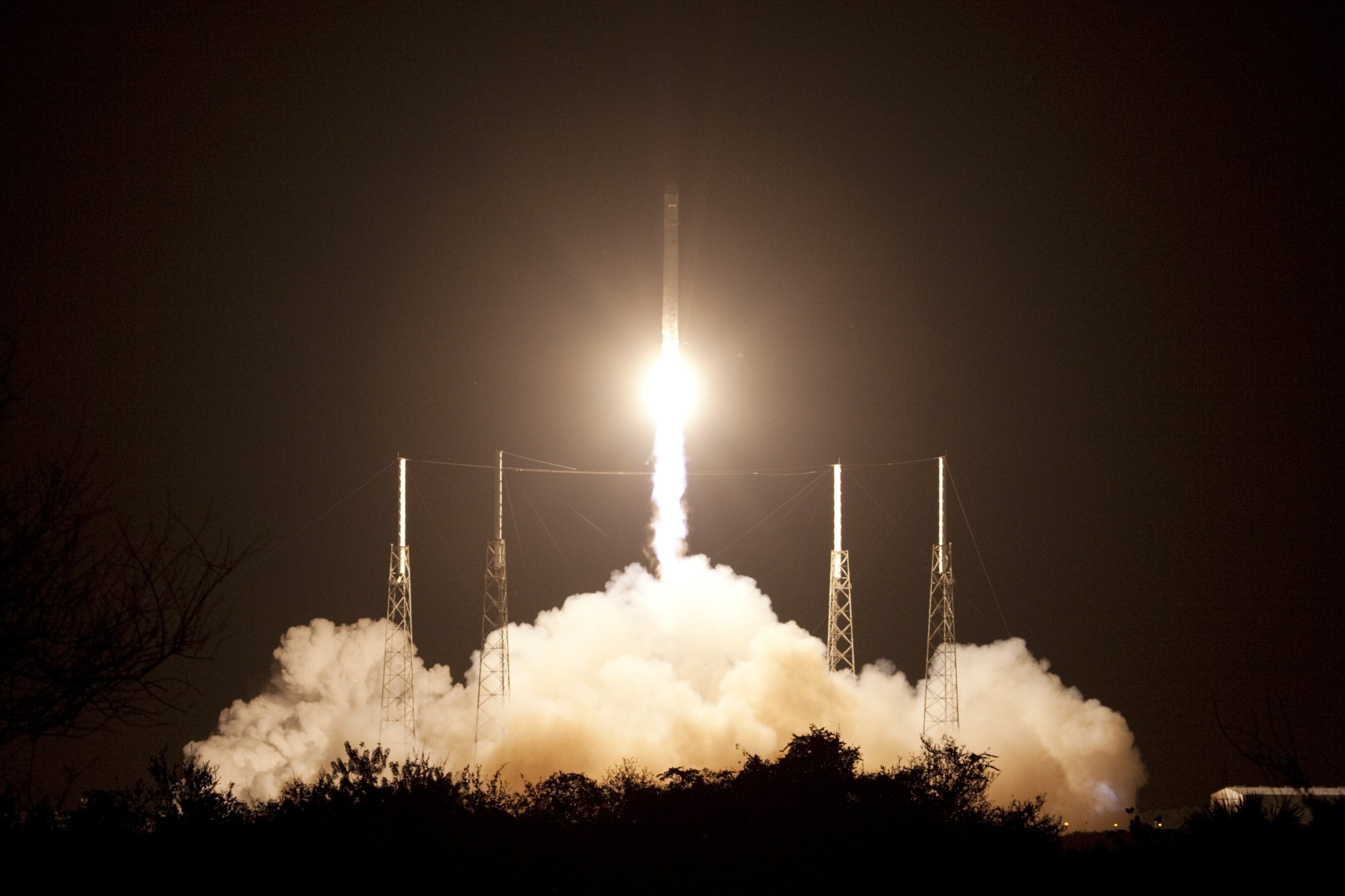
With Starship's bumpy history, including five launch failures to date and the last three in 2025 alone, the super-heavy-lift rocket may not be ready for the market in just a year.
With ten years of launch heritage behind it, the Falcon 9 wasn’t built in a day, and the newer Starship may have a few more years of R&D before operators entrust their satellites to its payload.
SpaceX also sees mounting competition from Kuiper, as Amazon's satellite unit rolls out its own constellation with plans to price its service competitively against Starlink. Kuiper will likely be closely connected to Amazon Web Services products that companies in all sectors find themselves reliant upon.
The global demand for bandwidth remains high and climbing, but with LEO’s cost premium, companies and consumers in a price-sensitive environment may prefer cheap connectivity options over big tech constellations.



Comments