
A new bill has been proposed in the US Senate to curb the impact of large-scale data centers on electricity rates and grid reliability through the creation of dedicated interconnection queues and data center–specific utility rate classes.
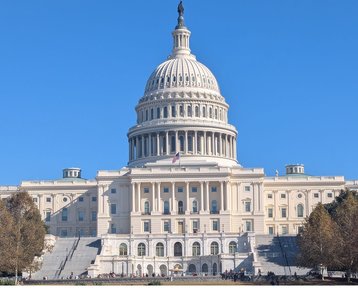
Introduced by Senator Chris Van Hollen with a group of Democratic co-sponsors, the Power for the People Act of 2026 would direct the Federal Energy Regulatory Commission (FERC) to require grid operators to establish “data center load queues.” The queues would permit utilities and system operators to prioritize or delay data center interconnections based on grid reliability and affordability impacts.
Joining Van Hollen as cosponsors on the legislation are Democratic Senators Dick Durbin, Richard Blumenthal, Cory Booker, Tammy Duckworth, Tina Smith, and Angela Alsobrooks.
According to its supporters, the bill is aimed at dealing with growing concern across the country that rapid data center load growth is driving up electricity costs for households and businesses. The proposed legislation cites projections showing data centers could account for 6.7 to 12 percent of US electricity demand by 2028.
Under the proposal, data centers seeking interconnection would be required to offset their load by bringing new generation onto the grid, deploying storage, or agreeing to interruptible load arrangements. Priority in interconnection queues would be given to facilities that supply low- or zero-carbon power and provide grid flexibility.
The bill would also require utilities to allocate local transmission upgrade costs directly to data centers that require them, rather than spreading those costs across general ratepayers. In addition, it would push states to adopt data center–specific rate classes, including minimum demand charges, longer contract terms, and higher interconnection deposits.
“Although they are not the only factor causing electricity prices to rise, it is clear that new data center energy demand is having a significant and growing impact on Americans’ utility bills,” Van Hollen said in a statement.
FERC would have 180 days after enactment to issue implementing rules, and data centers not already interconnected would be barred from connecting to the grid without going through the new queue system.
If enacted, the legislation would represent one of the most direct federal efforts to regulate the grid and rate impacts of large-scale data center development. Several states have seen similar legislation proposed or passed in an attempt to protect ratepayers from bearing the cost of new generation and transmission infrastructure needed to power new data center builds.
Ohio was one of the first states to pass legislation to this effect, with the Public Utilities Commission of Ohio (PUCO) approving a new rate class in July. It requires new data center customers in Ohio to pay for a portion of their energy requests, even if they use less, to cover the cost of the infrastructure required to bring electricity to those facilities.
Before this, in April, the Oregon House of Representatives passed a bill that granted regulators the authority to consider which customers are the primary beneficiaries of new infrastructure and allocate costs accordingly.
Following this, in September, Virginia’s main utility Dominion Energy proposed a new rate class for data centers, applying to utility customers who consume more than 25MW of energy and have a monthly load factor of more than 75 percent. If passed, it would require many, if not most, of the states' approximately 450 data centers within its coverage zone to be classified in the new customer class.





Comments