
Virginia’s primary electrical utility, Dominion Energy, has proposed the creation of a new rate class for data centers.
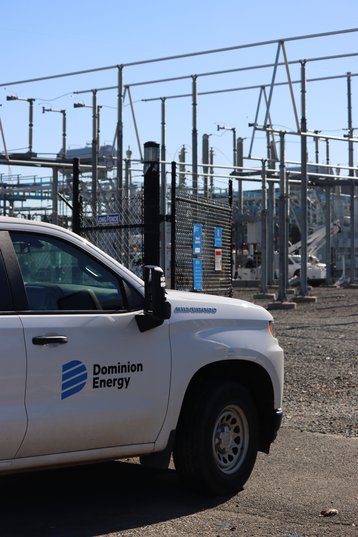
First reported by the Virginian Mercury, the new class would apply to utility customers who consume more than 25MW of energy and have a monthly load factor of more than 75 percent. This will result in many, if not most, of the approximately 450 data centers within its coverage zone being classified in the new customer class.
Dominion stated that it based the decision on recommendations outlined in a Joint Legislative Audit and Review Commission study published last year. The study found that data centers are likely to drive up costs for all ratepayers due to the need to build out extensive power generation and distribution infrastructure to serve the sector.
The report projected that under an unconstrained model, average monthly energy consumption could reach more than 30,000GWh by 2040, far outstripping supply.
The new rate class will also require high-use customers to sign a 14-year contract, ensuring they will pay for their proposed energy costs, even if they use less or if the data centers aren’t built. The utility said that this is to ensure that if companies propose a data center and the energy infrastructure is built to support it, then they will cover the costs regardless of whether they construct it or not.
Under the rules, developers would be subject to a minimum demand charge of 85 percent for transmission and distribution infrastructure and 60 percent for generation. If they exceed those minimums, they would be charged more.
“If the high load customers live up to what they request in terms of service, then none of the protective elements, such as minimum charges or capacity reassignment provisions, come into play,” said one of Dominion’s attorneys in the case, Joseph Reid III.
In response to the proposal, the Data Center Coalition, the industry representative group of most major data center developers, alongside other affected retailers, offered an amended version of the plan.
The amended proposal would mean that the new rate class only applies to new customers who use more than 50MW and come online after January 2026. Additionally, it would reduce the minimum demand obligations to 75 percent for transmission and distribution, and 50 percent for generation, for non-shopping customers, and to zero percent for shopping customers.
Data centers already built or financially settled prior to construction would avoid the new rate class. Additionally, the data center developers requested more flexibility in reducing their power consumption from Dominion without a penalty, asking the utility to reduce collateral from $1.5 million per megawatt down to $450,000 per megawatt.
“Make no mistake, load growth from large customers presents a massive earnings opportunity for Dominion shareholders. The company’s objective is to vigorously protect that opportunity by shifting as much risk as possible from its shareholders onto its high-load customers,” said Nikhil Vijaykar, an attorney for the Data Center Coalition in the hearing. “That is why Dominion wants to lock high load customers into 14-year contracts but makes no reciprocal commitments to get power to those customers on a reasonable timeline.”
Under the Dominion proposal, exit fees would take effect if a large load user shuts down before the end of its contract, making them liable for the minimum demand charges regardless of the number of years remaining on the contract. The amended proposal requests that the timeline be reduced to less than five years.
The Virginia State Corporation Commission hearing on the matter is expected to last until the end of next week, with a definitive ruling anticipated sometime in December.
Dominion is the latest utility to seek to enforce new rate classes for large load users.
Earlier this year, Ohio regulators voted to approve a settlement that would require new data center customers to pay for a minimum of 85 percent of the energy they say they need each month, even if they use less, to cover the cost of infrastructure required to bring electricity to those facilities.
Also, this year, Oregon passed a bill to ensure that data centers and cryptocurrency operations cover a fair share of the costs associated with new power plants and transmission lines.






Comments