
The severing of the SEA-ME-WE 4, IMEWE, and FALCON GCX subsea cables near Saudi Arabia has caused Internet issues in the Middle East and South Asia.
The cause of the Red Sea cuts is not yet known. Houthi rebels have previously been accused of attacking cables, but the area is also a busy shipping route, which sees more than $1 trillion in goods travel through it every year.
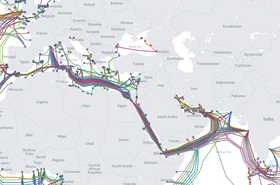
Houthi crisis in Red Sea spurs interest in alternative fiber routes
Eyes have long been focused on deploying fiber cable routes to avoid Egypt, but now attentions are turning to bypassing Yemen, too
In a status update, Microsoft Azure said that "network traffic traversing through the Middle East may experience increased latency due to undersea fiber cuts in the Red Sea. Network traffic that does not traverse through the Middle East is not impacted."
Outage tracker NetBlocks said that the cuts caused slow speeds and intermittent access in Saudi Arabia, Pakistan, the United Arab Emirates, and India.
Local telco Pakistan Telecommunications warned users that they “may experience some degradation during peak hours."
Back in 2024, Yemen’s internationally recognized government in exile claimed that the Houthis were set to attack subsea cables, something the rebels denied. The Houthis have attacked multiple ships traveling through the Red Sea, which could also lead to accidental cable damage.
After a brief ceasefire, the Houthis resumed attacking ships, with two vessels sunk this July. The rebels have targeted vessels they claim are helping Israel with its ongoing destruction of Gaza.






Comments