
Microsoft is researching and prototyping the implementation of high-temperature superconductors that could make data centers more energy-efficient.
Currently, providing electricity to a data center uses semiconductor materials like copper that lose power in the form of heat.
Operating a data center requires substations, which adjust the voltage of power transmission. Energy is lost each time this occurs, meaning that data centers have to be supplied with more power than they are able to use.
High-temperature superconductors can conduct electricity over longer distances without losing energy to heat, reducing the need for additional transmission infrastructure like substations and power lines while making data centers more energy-efficient. Substations are also in short supply, impacting data center rollouts.
However, despite what their name might suggest, high-temperature superconductors must be cooled to cryogenic temperatures in order to function. The practical and financial realities of deploying specialized cooling technologies have historically prevented broader commercial adoption.
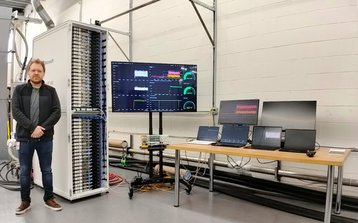
Microsoft claims to have the “world’s first” prototype of a server rack powered using high-temperature superconductors, and the company is investigating the commercial viability of its implementation in data centers.
The company is betting that high-temperature superconductors will not only be more efficient, but also more amenable to concerns held by data center opponents about the impact of a facility on the character or aesthetics of a given area.
The growth of data center demand led the US Energy Information Agency to forecast in January that the US would see the largest electrical demand growth over a four-year period since 2000.



Comments