
Microsoft is pioneering the use of waste heat to power Direct Air Capture (DAC) systems within its data center operations.
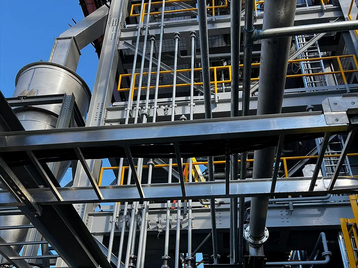
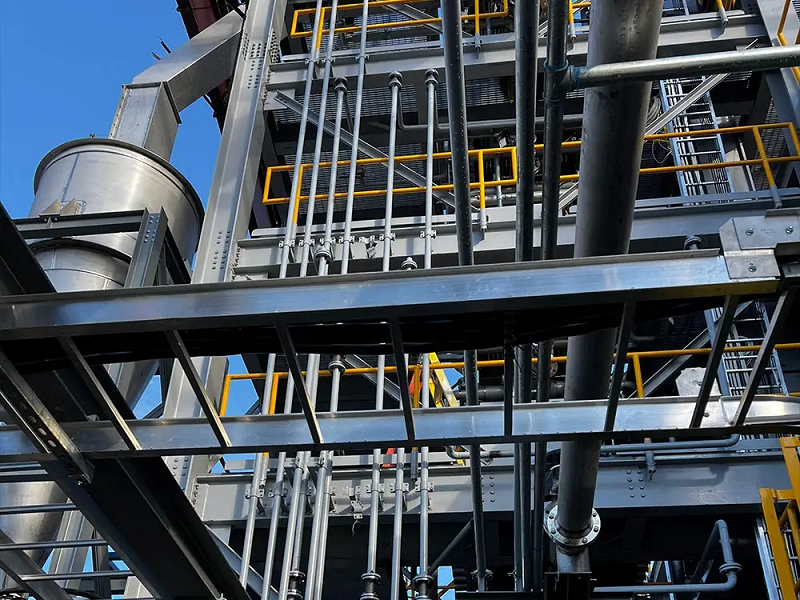
Details of the DACinDC system were revealed in its latest sustainability report. The pilot program integrates DAC directly into the data center's infrastructure, utilizing waste heat generated by the computing workloads and using AI to develop optimized materials that can improve DAC performance and system efficiency.
Rather than using the waste heat within a district heating system, the project repurposes it to power DAC systems, thereby delivering direct atmospheric carbon removal. According to the report, the “approach has shown promise in not only enhancing the efficiency of DAC solutions but also offsetting the carbon footprint of AI workloads.”
Microsoft first announced its intention to deploy DAC at data center sites back in 2023, following the filing of a patent application for a “carbon capture system.”
According to the company, the system can utilize 70 to 85 percent of the waste heat for energy reuse. In addition, through integration, it could play a crucial role in supporting the commercialization of DAC, which has very high capital costs and is currently one of the most expensive forms of carbon removal on the market. According to the carbon credit marketplace Super Critical, the average cost per ton today is around $680.
DAC is a method of removing carbon dioxide from the atmosphere by using large fans to draw in air. As the air passes through specialized chemical filters or sorbents, the CO2 molecules are captured and held. Once the filters become saturated, they are either heated or exposed to a vacuum, which releases the captured CO2. The resulting concentrated carbon dioxide can then be stored underground or repurposed for various industrial uses. Microsoft did not disclose which data center it deployed the DAC system.
So far, much of the support provided to DAC has been in the form of carbon removal purchases. Last year, Microsoft announced the purchase of 10,000 tons of carbon removal credits generated by a DAC system at the Deep Sky installation in Canada. Before this, it inked a deal with 1PointFive for 500,000 tons of credits over six years from the company’s industrial-scale DAC facility under construction in Texas.
The company has also invested in DAC projects from Climeworks, CarbonCapture, and Heirloom.
If you would like to read more about DAC and its potential within the data center sector, DCD spoke to Dr. Nicolas Chadwick, CEO of DAC firm Mission Zero, in our latest Energy and Sustainability supplement.





Comments