
Two days after TSMC filed a lawsuit against Wei-Jen Lo, a former TSMC executive accused of stealing trade secrets and sharing them with his new employer, Intel, the company's CEO Lip Bu-Tan issued a memo to employees, saying there was “no merit to the allegations.”
Per the memo, first reported by The Oregonian, Tan added that Lo has Intel's full support, and confirmed to the news outlet he would take up a position in Intel’s manufacturing group and packaging business – the first public comment on the matter.
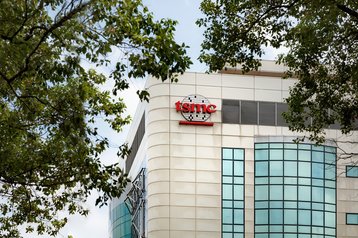
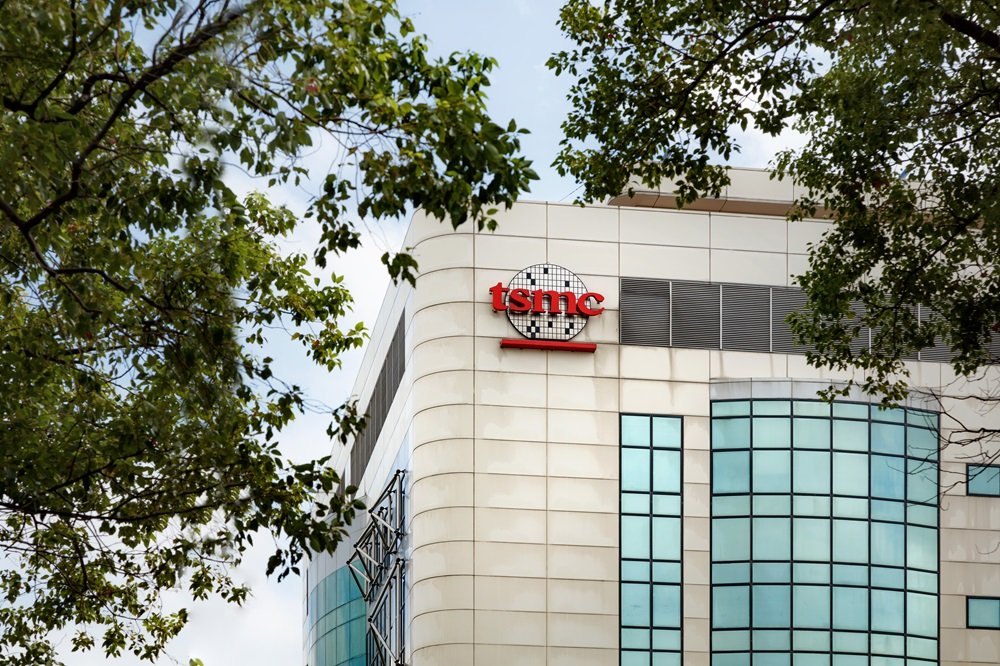
Lo was said to have retired from TSMC at the end of July, but reports soon emerged that the executive had instead moved to Intel. He was previously an executive at Intel for 18 years before joining TSMC in 2004. In 2014, he was made responsible for overseeing the Taiwanese chipmaker’s advanced process technologies roadmap, including its 5nm, 3nm, and 2nm chips.
Reports first emerged last week that Taiwan was investigating Lo under the National Security Act after it was alleged that the former executive took more than 80 boxes of data and books on departure and asked his subordinates to brief him about the company’s advanced processes prior to retirement.
In a statement released on November 25, TSMC said it had filed a lawsuit against Lo based on the terms of the employment contract he signed, in addition to his non-complete agreement, and the terms of the National Security Act.
The company claims that during his exit interview, Lo was reminded to re-read the non-disclosure and non-compete agreements he had signed, and when asked what his plans were following his retirement, replied that he would be joining an academic institution, “and did not mention his plan to join Intel.”
The statement continued: "There is a high probability that Lo uses, leaks, discloses, or transfers TSMC's trade secrets and confidential information to Intel, thus making legal actions (including claiming damages for breach of contract) necessary.”
Taiwan’s National Security Act was first used in August when three of TSMC’s former employees were arrested following accusations that they had stolen proprietary technology from the chipmaker whilst working at Tokyo Electron, a Japanese chip toolmaker.





Comments