
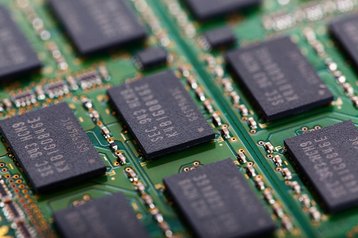
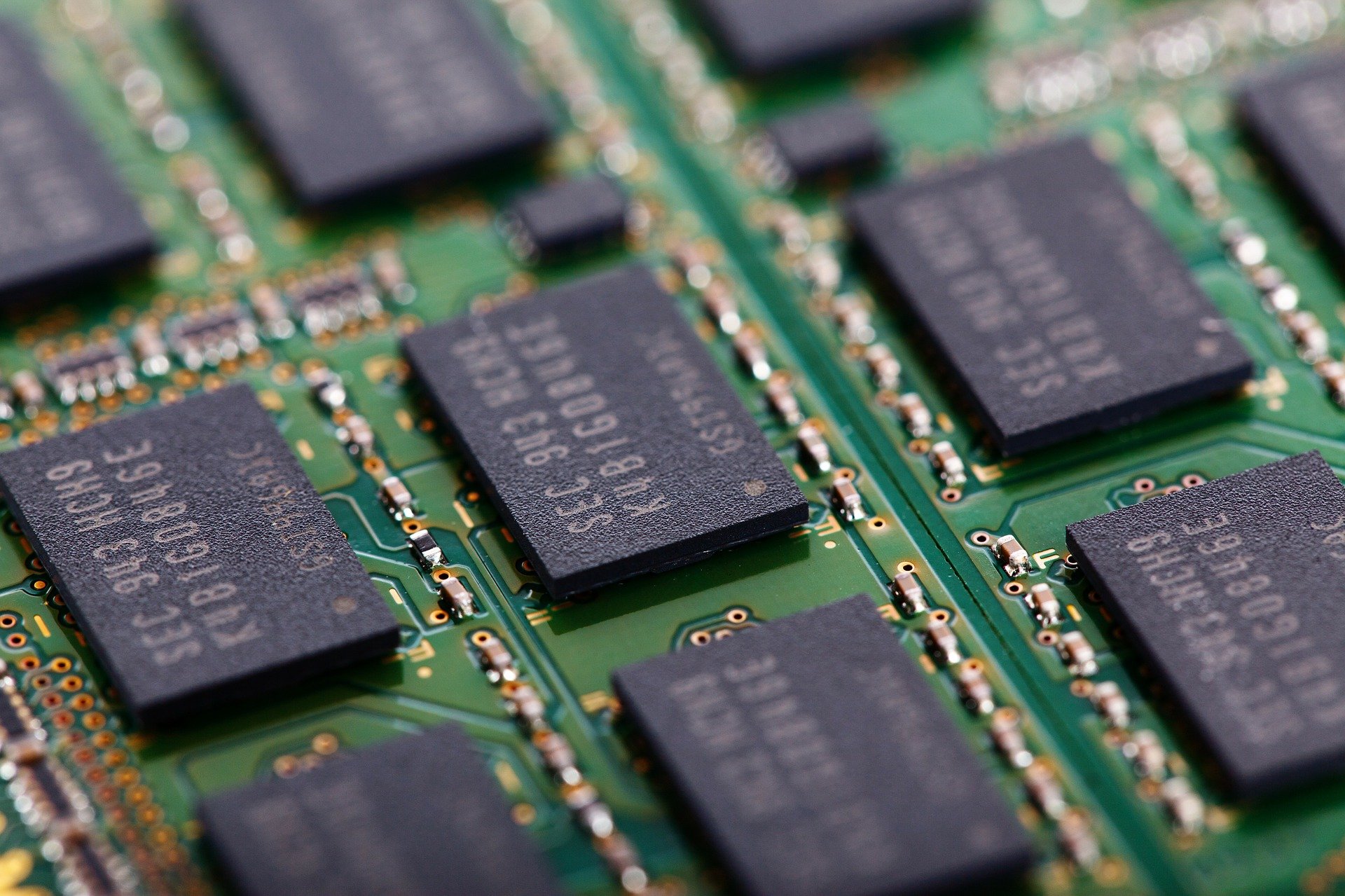
Intel has partnered with SoftBank subsidiary Saimemory for the development of stacked DRAM-based memory technology that the companies have dubbed the Z-Angle Memory (ZAM) program.
The companies said the collaboration will focus on the development of “next-generation memory technologies” that will support the demands of AI and high-performance computing.
Intel will serve as a technology, innovation, and standards partner, while Tokyo-based Saimemory will provide technology, innovation, and lead the commercialization of ZAM, the statement continued. Operations are expected to begin in the first quarter of 2026, with prototypes slated for 2027 and commercialization of the technology to follow by 2030.
The project will be supported by the Advanced Memory Technology (AMT) R&D Program, itself managed by the US Department of Energy and National Nuclear Security Administration through the Sandia National Laboratory, Lawrence Livermore National Laboratory, and Los Alamos National Laboratory.
“Intel’s Next Generation DRAM Bonding (NGDB) initiative has demonstrated a novel memory architecture and revolutionary assembly methodology that significantly increases DRAM performance, reduces power consumption, and optimizes memory costs,” said Dr. Joshua Fryman, Intel fellow and CTO of Intel Government Technologies. “Standard memory architectures aren’t meeting AI needs, so NGDB defined a whole new approach to accelerate us through the next decade.”
Reports first emerged in June 2025 that Intel and SoftBank had partnered for the development of a stacked DRAM (dynamic random-access memory) alternative for HBM (High-Bandwidth Memory), with company records showing that Saimemory was first incorporated in December 2024.
At the time, the report claimed the project was expected to cost $70 million, with SoftBank planning to invest $21m in the venture. The Japanese government was also expected to supply funding, with the Riken research institute and Shinko Electric also considering investment. No financial details or potential investments have been disclosed in the statement released today (February 2).
The announcement comes as the industry attempts to grapple with a shortage of storage and memory hardware, with the size and scale of many AI data center build-outs announced this year seemingly having caught the market off guard and resulting in a capacity crunch.
In January 2025, the Wall Street Journal reported that data from TrendForce shows that up to 70 percent of the memory produced worldwide in 2026 will be consumed by data centers.
Memory chipmakers Samsung and SK Hynix have also both warned that the memory chip shortage is likely to continue into 2027, with consumer electronics likely to suffer the most in the face of ongoing shortages as capacity will increasingly become allocated to AI infrastructure projects.





Comments