
IBM has teamed up with Arm to develop “dual‑architecture hardware” designed to handle both AI and “data-intensive workloads.”
The partnership will see the pair leverage their respective silicon and software optimization expertise in a bid to provide enterprises with greater flexibility and security for their infrastructure choices.
The effort will encompass goals that include expanding virtualization technologies to allow Arm-based software environments to operate within IBM's enterprise computing platforms.
Arm and IBM also want to provide businesses with greater flexibility in how applications are deployed and managed through hardware capable of meeting the inherent demands of AI, while allowing them to continue to leverage their existing investments.
“As enterprises scale AI and modernize their infrastructure, the breadth of the Arm software ecosystem is enabling these workloads to run across a broader range of environments,” said Mohamed Awad, EVP of Arm’s cloud AI business unit. “Our collaboration with IBM builds on this progress, extending the Arm ecosystem into mission-critical enterprise environments and giving organizations greater flexibility in how they deploy and scale these workloads.”
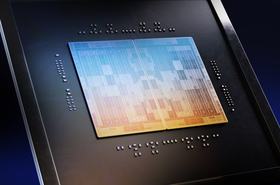
Arm follows Nvidia into a crowded enterprise CPU race
After 35 years of licensing, Arm bets on its own silicon – and brings Meta along for the ride
The proposed “dual‑architecture hardware” is the latest in a long-running partnership between the pair that dates back to 2015. That initial effort focused on IoT, with the pair integrating their respective IoT platforms, while also co-creating an IoT Starter Kit to encourage businesses to test the then-hot topic technology.
A little over a decade later, IBM and Arm are set to work on hardware that caters to demand for the latest ‘big thing’ in tech, while also ensuring enterprises have ample choice.
“Our aim is to expand software choice and improve system performance while maintaining the reliability and security our clients expect,“ said Tina Tarquinio, CPO for IBM Z and LinuxONE.
For Arm, the move comes hot on the heels of the biggest change in the company’s history, with it set to produce silicon products for the first time. The end of March saw the British company reveal plans to bring its own designs to life in the form of the Arm AGI CPU, with Meta set to be the launch customer.
IBM, meanwhile, has designed its own custom silicon for some time, including its Telum II processor and Spyre accelerator to power its Z-systems mainframes.
“What IBM and Arm are signaling here is a meaningful step toward that future that could broaden how enterprises think about deploying and scaling modern workloads,” said Patrick Moorhead, founder, CEO, and chief analyst at Moor Insights & Strategy. “While the full implications will take time to unfold, it's clear this reflects a deeper level of investment in long-term platform innovation and ecosystem expansion than we typically see at this stage.”


Comments