
Intel has announced a multiyear collaboration with Google that will see the hyperscaler commit to using multiple generations of Intel CPUs in its data centers.
The partners will all co-develop custom ASIC (application-specific integrated circuit)-based IPUs (infrastructure processing units) for “scaling… heterogeneous AI systems.”
The financial terms and timeline for the agreement were not shared.
Google and Intel first announced they were collaborating on the development of an IPU in October 2021, naming the initial hardware offering ‘Mount Evans.’ The IPU helps hyperscalers offload infrastructure tasks from CPUs to IPUs, freeing up server CPU cycles for revenue-generating tasks.
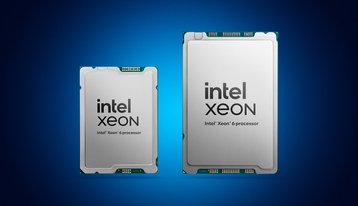
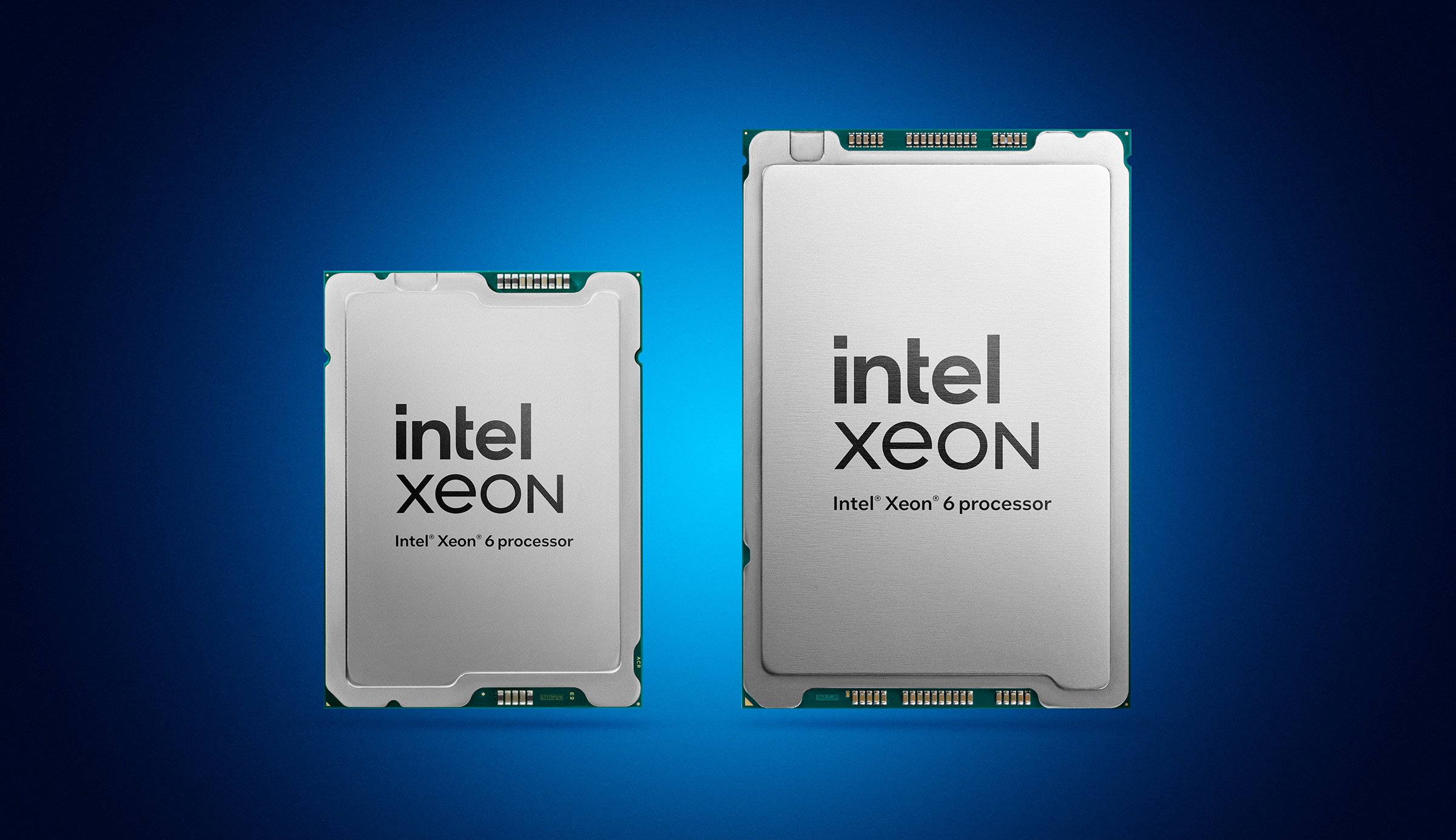
The agreement will also see Google deploy Intel’s Xeon 6 CPUs for training and inferencing workloads, and commit to using “multiple” future generations of the hardware across its Google Cloud Platform (GCP). In a statement, Intel said its Xeon processors would power C4 and N4 instances on GCP, which support a broad range of workloads, including large-scale training, inference, and general-purpose computing.
Intel launched its Xeon 6700/6500 series in February 2025. Described as the “ideal CPU for modern data centers” due to their ability to pair “exceptionally well with a GPU as a host node CPU,” the Intel Xeon 6 portfolio delivers an average of 1.4x better performance when compared to 5th Gen Intel Xeon processors across a “wide range of enterprise workloads,” the company said at the time.
In May of that same year, the chipmaker unveiled three new additions to its Xeon 6 family of processors, equipped with P-cores (Performance-cores).
“AI is reshaping how infrastructure is built and scaled,” said Lip-Bu Tan, CEO of Intel. “Scaling AI requires more than accelerators - it requires balanced systems. CPUs and IPUs are central to delivering the performance, efficiency, and flexibility modern AI workloads demand.”
“CPUs and infrastructure acceleration remain a cornerstone of AI systems—from training orchestration to inference and deployment,” said Amin Vahdat, SVP & chief technologist, AI infrastructure, Google. “Intel has been a trusted partner for nearly two decades, and their Xeon roadmap gives us confidence that we can continue to meet the growing performance and efficiency demands of our workloads.”
Demand for CPUs has increased significantly of late, as companies seek out hardware that can support agentic AI workloads.
Following the publication of Intel’s Q4 and FY2025 results earlier this year, CFO David Zinsner admitted that the company misjudged demand for data center CPUs, noting that conversations with customers had led the company to believe that while CPU core counts were expected to increase, “unit volumes were not.”
In an effort to course correct, Zinsner said Intel is now "shifting as much [capacity] as we can over to the data center.” However, the company expects the CPU shortage to continue into FY2026, reaching its “lowest level” in Q1 before improving in Q2 and beyond.




Comments