
A new bill has been proposed in the Colorado Senate that would impose energy, water, and siting requirements on large data centers, including mandatory renewable procurement and hourly clean power matching.
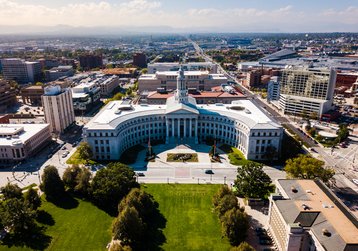
Democratic Senator Cathy Kipp and Representative Kyle Brown cosponsored SB26-102.
The bill would impact large load data centers, defined as facilities with more than 30MW of peak demand, multiple new facilities totaling more than 60MW, or expansions that add more than 30MW individually or 60MW collectively.
Under the terms of the bill, data center operators would, starting January 1, 2031, be required to source enough renewable energy to match 100 percent of their annual energy consumption, as well as meet an hourly clean energy matching standard.
If passed, the state's Public Utilities Commission (PUC) will be tasked with determining whether 100 percent hourly matching is technically and economically feasible by June 30. 2030. If the PUC is unable to, it must set the highest feasible percentage and update the figure at regular intervals.
According to the bill, compliance by the data center industry could be achieved through utility tariffs or programs, long-term power purchase agreements with independent generators, or self-supply. In addition, data center operators would be required to sign contracts with utilities for at least 15 years to cover infrastructure and resource costs, contribute to demand-side management programs, and meet water management and on-site backup generation requirements.
The bill would bar utilities from connecting or supplying power to large load data centers unless the company has made an upfront payment or signed a long-term contract covering grid and generation costs. In addition, the bill would prevent utilities from offering economic development rates to large data centers and require them to develop demand response or flexible connection tariffs.
The legislation would also set new reporting obligations, requiring data centers to disclose annual electricity and water consumption data to the state’s Department of Public Health and Environment.
Projects being developed in locations deemed disproportionately impacted would face additional scrutiny, with developers made to commission a cumulative impacts analysis by a third party selected by the health department, undertake public outreach, and negotiate a community benefit agreement before construction or expansion.
The bill follows legislation proposed last month in the state's House of Representatives that would offer tax breaks to data center developers who pledge to power their facilities with renewable energy.
Colorado is not currently a major data center market, though companies including DataBank, Flexential, Novva, QTS, CoreSite, IPI, and Verizon all operate in the state. It is also home to Crusoe, the AI cloud and data center company involved in major projects, including OpenAI’s Stargate.
The proposal follows several similar bills put forward in other US states. Earlier this month, a bill was proposed in the California Senate to regulate the expansion of large data centers across the state and protect ratepayers from footing the bill for the generation and transmission infrastructure needed to power them.
Similar bills have been passed and enacted in Ohio and Oregon, with several other states with similar laws currently moving forward in their legislatures.




Comments