
Applied Materials is collaborating with SK Hynix for the development and deployment of next-generation DRAM and high-bandwidth memory (HBM).
In a statement, the partners said engineers from both companies will work “side-by-side” at Applied’s Equipment and Process Innovation and Commercialization (EPIC) Center in Silicon Valley, a semiconductor R&D facility slated to open later this year.
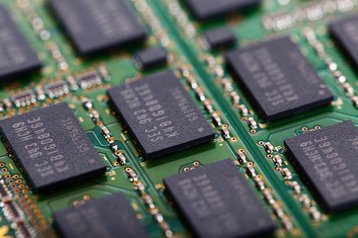
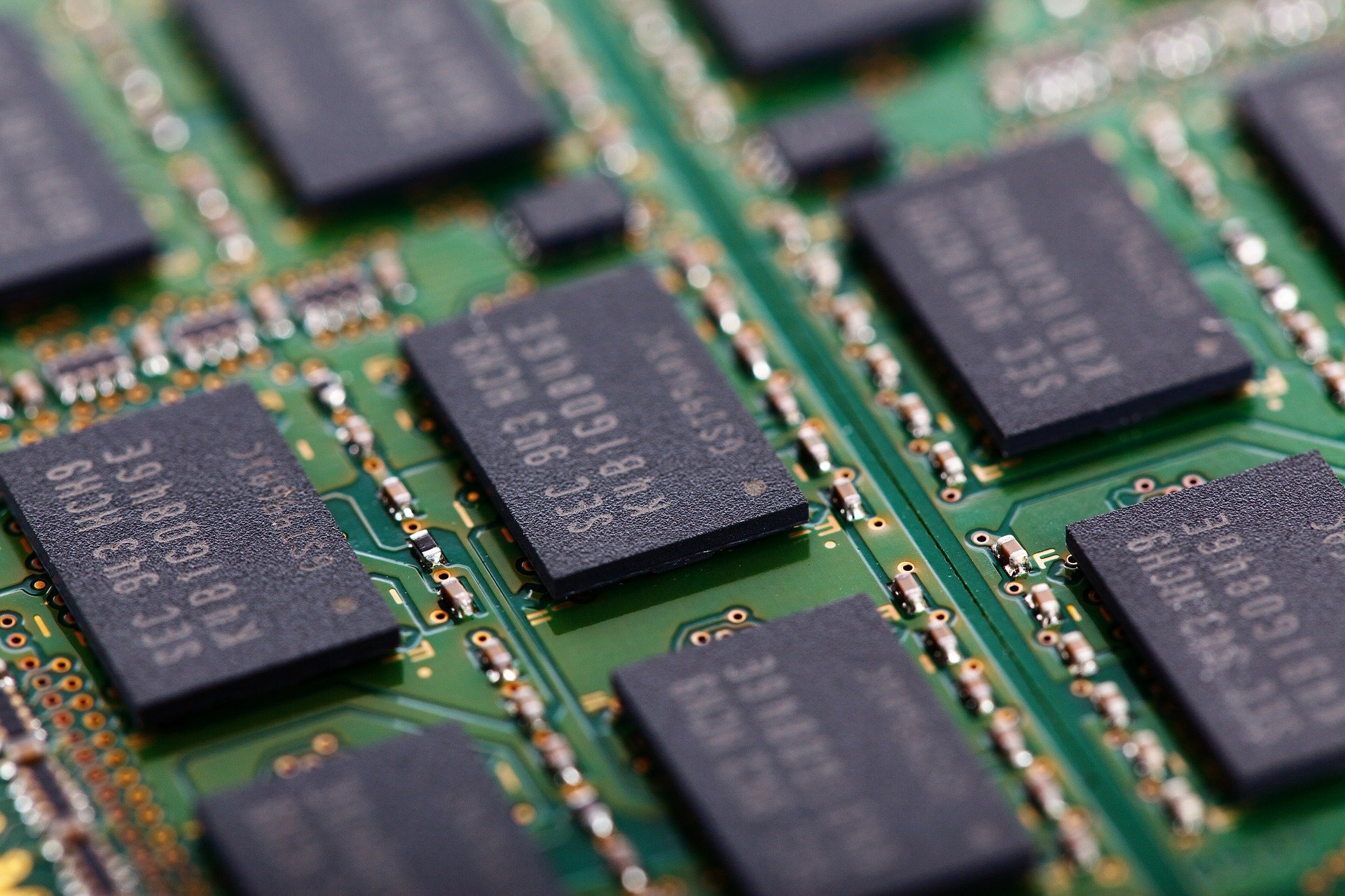
Initial R&D efforts will focus on material innovation, process integration, and 3D advanced packaging, with the aim of improving the performance and manufacturability of future memory architectures. Additionally, co-development programs established at the center will target “atomic‑scale” innovations for advanced patterning, etching, and deposition processes to support the development of advanced technologies across logic and memory chips.
The agreement will also see SK Hynix become a founding partner of the $5 billion EPIC Center, which Applied said represents “the largest-ever US investment in advanced semiconductor equipment R&D,” designed to help reduce the time it takes to commercialize new technologies.
“Applied Materials and SK Hynix share a long history of working together to improve the energy-efficient performance of advanced memory chips through innovations in materials engineering,” said Gary Dickerson, president and CEO of Applied Materials. “We are excited to have SK Hynix join the EPIC Center as a founding partner, and we look forward to driving further breakthroughs together that accelerate the commercialization of next-generation DRAM and HBM technologies for the AI era.”
Nohjung Kwak, president and CEO of SK Hynix, added: “The continued scaling of AI systems is driving unprecedented demand for energy-efficient memory technologies. One of the biggest hurdles in AI progress is the growing disconnect between memory speeds and advances in processors. Our advanced memory technologies are paving the way for faster and more energy-efficient data processing, and we look forward to partnering with Applied Materials at the new EPIC Center to deliver a roadmap of innovations that enable the next generation of memory solutions optimized for AI.”
The announcement comes as the industry attempts to grapple with a shortage of storage and memory hardware, with the size and scale of many AI data center build-outs announced this year seemingly having caught the market off guard and resulting in a capacity crunch.
In January 2025, the Wall Street Journal reported that data from TrendForce shows that up to 70 percent of the memory produced worldwide in 2026 will be consumed by data centers.
Memory chipmakers Samsung and SK Hynix have also both warned that the memory chip shortage is likely to continue into 2027, with consumer electronics likely to suffer the most in the face of ongoing shortages, as capacity will increasingly become allocated to AI infrastructure projects.




Comments