
Connect | Virginia // DCD Talks cooling as critical resilience infrastructure with Aaron Harkness | Stulz
- —
- Talks Stage | Terrace Ballroom
- Data Center Cooling
- Open Session

Speakers
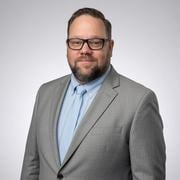
Aaron Harkness
Technical Business Development Manager, STULZ
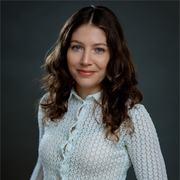
Portfolio Manager - APAC, DCD
The industry spent a decade hardening power resilience: redundant feeds, UPS, generators, and ride-through measured in minutes. That problem is largely solved. But high-density AI compute has opened a new front in the cooling layer.
The uncomfortable math: lose cooling on a 30 kW air-cooled rack and you have minutes to respond. On a 130 kW liquid-cooled rack, the thermal mass is gone and chips can throttle or shut down in seconds. However, resilience planning still runs on power-era assumptions about thermal margin that no longer exist. This session centers cooling in the reliability conversation: why rising density compresses the response window, how to calculate that window for your facility, and what to demand of the power and controls your cooling depends on, whoever supplies them.
Join Stulz's Aaron Harkness to learn why thermal ride-through, not power ride-through, now sets the reliability ceiling, and how to estimate your own thermal response window. You will also learn where N+1 thinking breaks down once thermal mass disappears, and what to require of the power and controls feeding your cooling.