

Optical fiber is the bedrock of a functioning data center offer. Without it, a data center facility is essentially just a box, and demand for optical fiber is surging.
The drivers are clear to see. The continuing expansion of the cloud data center infrastructure, and especially the AI hyperscale facilities with their massive requirements for flexible, high-speed fiber cables, is the immediate focus. At the same time, a growing defence market and the continued expansion of high-speed broadband add to demand.
Combine these factors with increasingly unpredictable geo-political complications and there is something of a perfect storm.
What the supply chain looks like
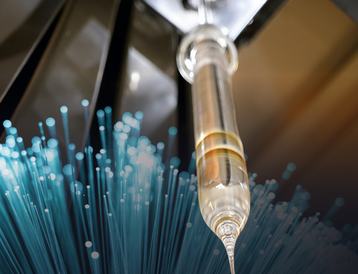
Apart from specific high fiber count cables, there is currently no significant shortage of fiber optic cable. The most intense supply issues are further up the chain, centered on the preforms from which optical fibers are drawn which in turn are affecting the supply of fiber.
Fewer than ten companies in the world manufacture preforms. Around twenty companies draw the optical fiber and hundreds buy the optical fibers to use in the manufacture of cables. There is no shortage of cable manufacturers; the constraints tighten further up the supply chain.
This pattern matters for buyers in two ways: certainty of supply and quality/performance issues.
What drives performance
The performance of the optical fiber cable will largely be dependent on the fibers within. Cable manufacturers – particularly those in Europe – are finding the spot market for optical fibers very constrained. Faced with problems sourcing fibers from known suppliers, manufacturers are very likely to move to new suppliers with potentially less proven technology.
Most fiber makers reach a very high quality standard, but that is not universally the case and desperation can lead a cable manufacturer to source a third-tier fiber they’d never have used given a choice. If a sub-optimal source of optical fiber enters the market, it can be very difficult to trace the cables in which it has been used when a problem becomes apparent.
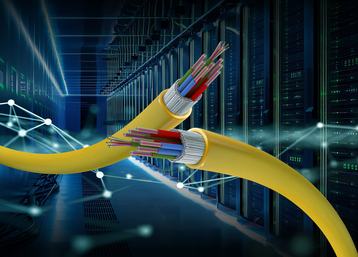
Naturally, in a tight market, organizations with their own preform and fiber manufacturing resource will favour their own cable manufacturing operations, intensifying the pressure on the stand-alone cable manufacturers.
The issue of geography
The global supply chain has, by and large, worked well for the telecommunications sector and optical fiber is a global commodity. Recent geopolitical activities, however, are proving difficult to overcome.
Trade barriers, tariffs and interruptions to international transport routes are all forcing companies to look again at the wisdom of assuming stability in global trade when planning their build programmes and favour more locally based manufacturers. Of course, this means considering the location of manufacturers not just of the finished cable products, but of the essential preforms and fibers that support cable manufacturing.
Concentration driving innovation
As mentioned above, there are few organisations with that upstream capability but the structure of this market, counterintuitively, is what enables innovation. Faster, smaller, more flexible fiber optic cables are the result of innovation at the fiber manufacturing stage. Such innovation is neither quick nor cheap to develop.

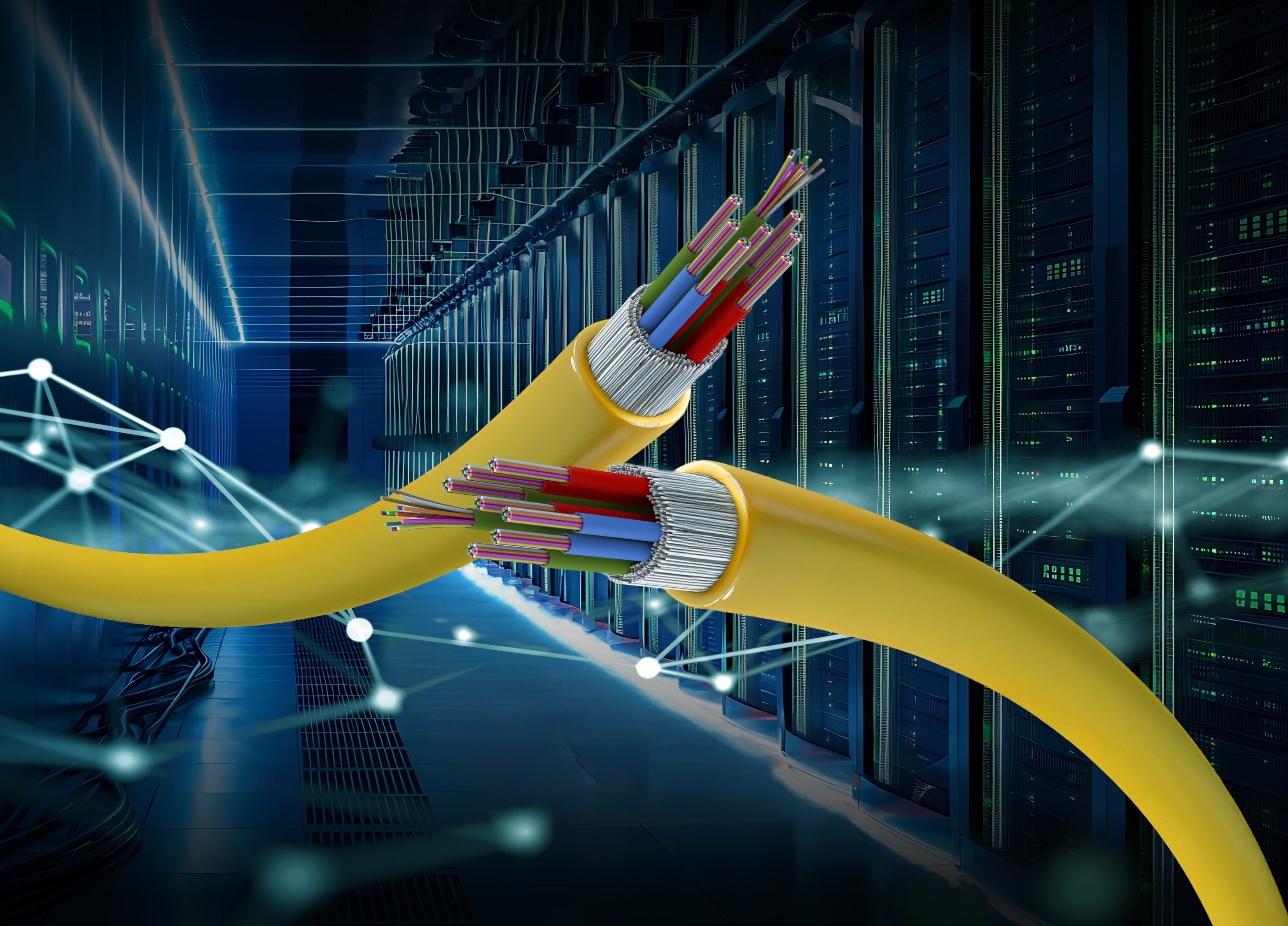
Cable manufacturers with an integrated preform supply chain are able to introduce new fiber and cable designs optimised for the AI applications much faster than non-integrated cable manufacturers. The cable-only manufacturer cannot do this – it has to wait and see what the fiber manufacturers develop and then build around that.
Integration also shortens the distance between AI data center owners and the companies manufacturing the optical fiber: increasingly, AI hyperscale companies are locking in that capability through long-term, co-invested supply agreements.
So while narrowness at the top of the supply chain may look uncomfortable, it is also what is enabling the development of optical fiber technology, without which, the AI revolution will stumble.
For the engineers delivering data centers, there is a key question to ask about the cable being installed in their facility: who made the fiber inside it? The cable manufacturer should be able to answer without hesitation and if they can’t, it matters. Provenance is not a procurement detail; it is a risk decision and one that is worth making deliberately.
Comments