

As I visit the massive construction sites for new data centers across the country, one thing becomes clear: the media's AI-obsessed narrative misses the bigger story.
While headlines focus intensely on AI reshaping our digital world, the reality is more complex. For those planning to build, invest in or operate data centers, understanding the complete picture is essential for making sound, long-term decisions.
What developers and investors really need are data center strategies that look beyond today's AI hype to address the complete spectrum of computing needs.
While AI is undeniably transformative, a balanced approach to digital infrastructure will prove most sustainable and profitable as this landscape continues to evolve in ways we can't yet fully predict.
The full context of data center demand
The data center industry is experiencing unprecedented investment, with the big four tech firms announcing nearly $1 trillion in capital expenditure through 2025, translating to approximately 30 gigawatts of new global capacity.
Yet despite extensive media coverage positioning AI as the primary driver, data center builders and operators need to recognize this narrative only tells part of the story.
By the end of 2025, AI is expected to account for 20 percent of data center capacity worldwide. Most workloads still consist of enterprise processes, cloud services and general data storage.
Even with AI's remarkable growth trajectory, projections suggest it may reach around 40 percent of overall workloads by 2030 – significant growth, but still less than half of total capacity.
For those planning new facilities, this broader context is crucial. Data creation itself is increasing at a 24 percent CAGR, with every internet query traveling through at least one data center.
The fundamental drivers of data center demand extend far beyond the current AI boom, and developers who recognize this complete picture will create more versatile, future-proof facilities.
The evolving data center landscape
AI systems are creating a split in today's data center landscape, with two distinct facility types. AI training facilities – where machine learning models are initially built – typically occupy rural settings due to their extreme power requirements. These facilities feature rack densities exceeding 50 kilowatts, extensive acreage up to 1,000 acres, and power needs reaching hundreds of megawatts.
In contrast, AI inference facilities – where pre-trained models process user requests – are moving closer to population centers to reduce response time. These have smaller footprints, requiring as little as five megawatts, as running existing models across a distributed network demands less power than creating them.
This geographic difference means developers must carefully consider location and power infrastructure based on their intended workloads.
Despite the media focus on energy consumption, particularly regarding AI facilities, data centers currently consume only about two percent of global energy – approximately 57 gigawatts worldwide.
Even with projected growth, this figure is expected to reach just four percent by 2030. For developers securing power capacity, this perspective is important when negotiating with utilities and planning infrastructure requirements.
We're in the very early stages of a multi-decade journey – comparable to the 1990s of internet development. Data center builders should prepare for this evolution by designing facilities that can adapt to changing computational needs over time.
Strategic implications for data center developers
Developers and operators should avoid focusing exclusively on today's AI headlines when planning new facilities. A balanced approach addressing both AI requirements and traditional computing needs will prove most sustainable long-term.
The path ahead requires flexible design that can adapt to changing workload requirements rather than becoming locked into highly specialized systems that may quickly become outdated.
Companies that understand the full spectrum of data center demands – not just the components capturing today's spotlight – will build more successful projects with longer economic lifespans.
Today's design and location decisions will shape facility viability for years to come. Making a comprehensive, forward-looking approach is essential during this remarkable period of technological change.
Based on these observations, I've developed seven practical recommendations for data center developers navigating this complex landscape:
- Balance AI with traditional workloads: Design facilities that can support both specialized AI infrastructure and conventional enterprise computing needs.
- Plan for flexibility: Create adaptable spaces that can transition between different types of workloads as demand patterns evolve over the next decade.
- Consider geographic strategy carefully: Evaluate whether your facility will primarily support training (rural, power-intensive) or inference (Edge, lower power) workloads.
- Right-size power requirements: While AI headlines focus on extreme power needs, most data center workloads will continue to operate at traditional densities.
- Future-proof infrastructure: Design power, cooling, and connectivity systems that can scale to accommodate changing computational demands.
- Look beyond current headlines: Remember that AI represents approximately 20 percent of current workloads, with traditional enterprise needs continuing to drive most data center demand.
- Prepare for the long game: We're in the early stages of a multi-decade transformation; facilities built today need to remain viable through multiple technology cycles.
For deeper insights into global data center trends and predictions for 2025, download JLL's comprehensive 2025 Global Data Center Outlook report. You can also watch our recent webinar, Key predictions in the global data center industry for 2025, where our experts discuss these topics in more detail.
More from JLL
-

DCD>Talks: Indian data center market growth with Rachit Mohan, JLL
DCD's Jose Friebel talks to Rachit Mohan, about what's driving growth into the Indian data center market, and the challenges and opportunities in this burgeoning region.
-

JLL: Slow but steady growth across EMEA data center market in early 2025
Tariffs and power availability were the main obstacles
-
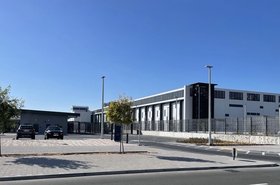
JLL secures management contract with Pure DC for Abu Dhabi data center
Will provide integrated facilities management at the 45MW facility in Yas Island
Comments