

The data center skills shortage is often described as a future challenge. I believe that framing is already out of date. Operators are trying to recruit, retain, and deploy capable people now, and the consequences are already being felt in project schedules and day-to-day operations.
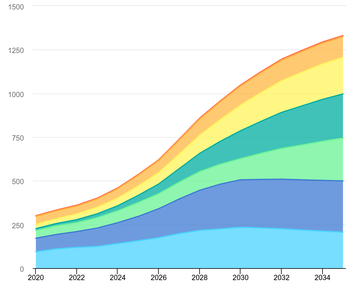
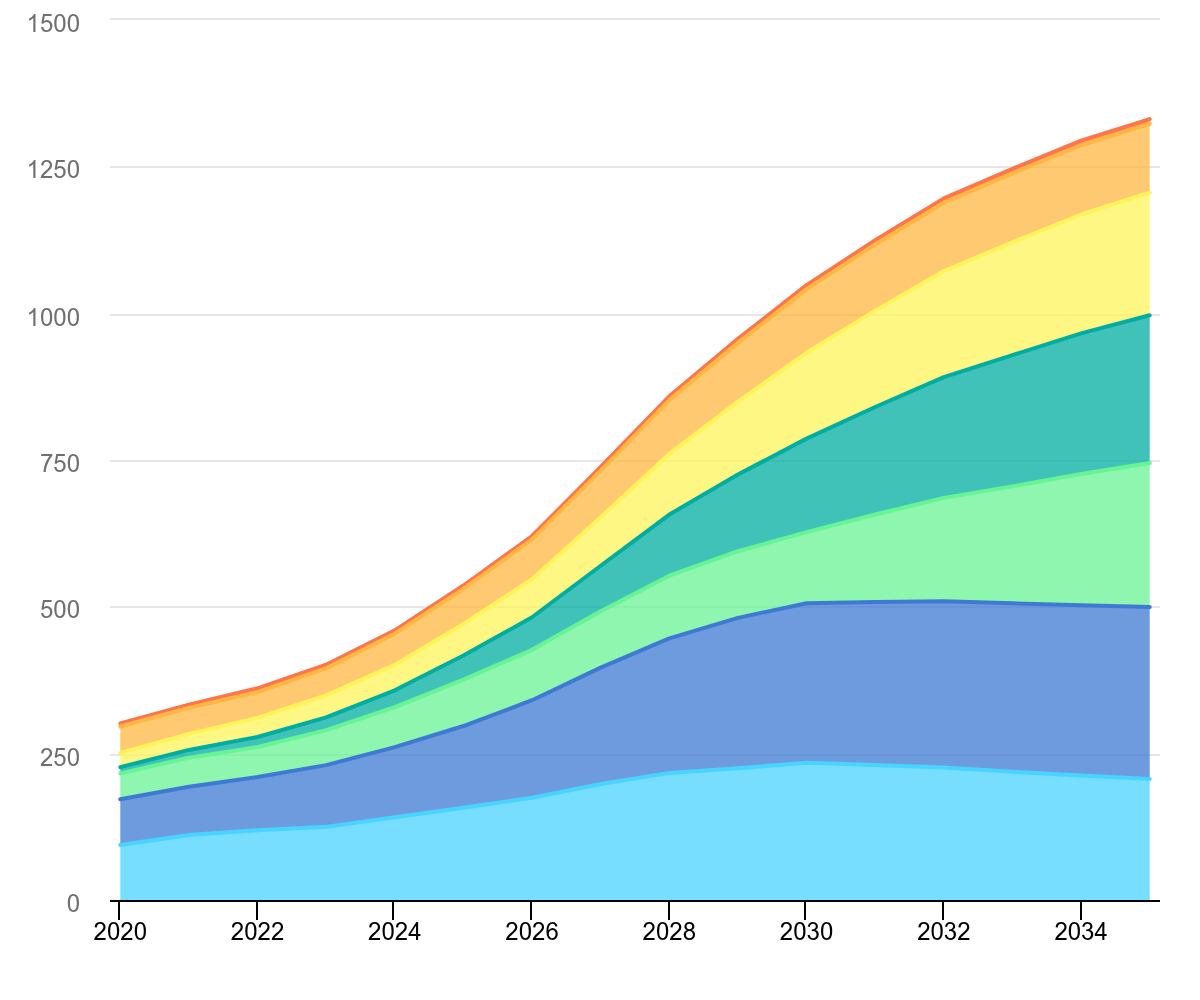
Uptime Institute’s latest staffing survey identifies recruiting qualified people as one of the sector’s leading organizational concerns and shows that staff shortages are causing delays and disruption. At the same time, the International Energy Agency expects the electricity required to supply data centers to rise sharply over the rest of this decade. Power demand is not a direct measure of workforce demand, but it does underline the speed and scale of the industry’s expansion.
For owners, investors, customers, and engineers, this is not simply a recruitment issue. It is a delivery, resilience, and risk issue. The industry has to expand its workforce without weakening the standards on which safe and reliable operation depends.
A certificate is a starting point, not the finish line
Qualifications matter. They provide essential knowledge, establish a common technical language, and give people a recognized route into the industry. I would never argue that they are optional in safety-critical roles.
However, a certificate shows that someone met a defined standard at a particular point in time. It cannot tell us everything about how that person will apply their knowledge when conditions change, information is incomplete, or a task needs to be stopped.
Passing a driving test proves a basic standard; it does not make someone a racing driver. The same principle applies to switching, isolation, commissioning, and other safety critical activity in a data center. Competence comes from a combination of knowledge, practical skill, behavior, judgment, and experience of the environment in which the task is carried out.
The experience paradox
The industry keeps creating a problem for itself. Candidates are told that they need data center experience to secure a role, but they cannot gain that experience until someone gives them an opportunity.
If every vacancy asks for the same background, we mostly move the same limited pool of people between projects. That may solve one hiring manager’s immediate problem, but it does not create more capability across the sector.
Opening the door more widely does not mean taking chances with people who are unprepared. It means being more precise about which experience is relevant and which knowledge can be developed.
Many professionals in oil and gas, renewables, manufacturing, and marine environments already understand permit-to-work systems, controlled switching, isolations, escalation, and disciplined operations. They are used to working where procedures matter, communication must be clear, and mistakes can have serious consequences.
Of course, they will not know every data center system, site standard, or operating sequence on day one. Nor should we pretend that they do. But those gaps can be identified and addressed through focused training and supervised experience.
The better question is not simply, “Have you worked in a data center before?” It is, “What can you already do safely, what evidence supports that, and what must you learn before you are authorized here?”
Assessing what a person can actually do
A strong recruitment process should look beneath job titles, time served, and the certificates listed on a resume. Structured technical interviews, verified references, practical evidence, and scenario-based questions can provide a much fuller picture of a candidate’s current capability and where development is needed.
Rather than asking only what someone knows, we should explore how they would respond when a permit is unclear, site conditions differ from the plan, or pressure builds to continue. Their answers can reveal judgment, communication, and willingness to stop – qualities that are difficult to capture in a list of credentials.
Clearly defined competency frameworks can make those decisions more consistent across sites, teams, and delivery partners. They should apply to experienced people as well as new entrants. Time served deserves respect, but it should not replace evidence that knowledge is current and working practices remain sound.
Once someone enters a role, competence still needs to be developed and maintained. Structured onboarding, site specific training, supervised experience, mentoring, and periodic reassessment all have a part to play. Responsibility should grow only when the individual has demonstrated that they are ready for it.
Authorization should therefore be specific to the person, the task, and the environment, and it should be reviewed over time. A credential may form part of that decision, but it should not make the decision on its own.
Behavior is part of competence
One of the most important lessons in critical operations is that how a person behaves under pressure matters as much as what they know.
I would rather work with someone who says, “Stop, I need to check,” than someone who carries on because they are afraid to expose a gap in their knowledge. In a critical environment, humility is not a weakness. It is a safety control.
Assessment should therefore include communication, attitude, procedural discipline, and response to feedback. These qualities are often described as soft skills, but their
consequences for safety, uptime, and reliability are anything but soft.
A stronger proposition for the whole industry
For operators and engineers, a competency-based approach creates greater confidence in who is authorized to do what. For customers and investors, it makes workforce risk more visible and more manageable.
A transparent framework can show the capability already in place, the gaps that remain, and the plan for closing them. That can provide stronger assurance than a collection of resumes and certificates alone.
This is not a choice between experienced data center specialists and completely untested newcomers. The sector will always need experienced professionals, and their role as mentors and supervisors becomes even more valuable as new people enter the industry.
It is about building a more sustainable system: identifying talent from a wider range of backgrounds, assessing the evidence of what people can do, closing specific gaps, and maintaining competence throughout a career.
That does not lower the bar. It makes the bar clearer and creates a credible route for suitable people to reach it.
The data center industry cannot wait for a ready-made workforce to appear. Qualifications will remain an important starting point, but if credentials become our only measure, we will continue to overlook capable people while the shortage deepens.
The question is not whether standards should change. It is whether we are measuring the right things to uphold them.
Comments