
US chipmaker Wolfspeed has entered into a multi-year agreement with Infineon Technologies for the supply of silicon carbide (SiC) substrates.
Under the terms of the deal, Wolfspeed will transition its existing agreement with German semiconductor manufacturer Infineon for the supply of 150mm to 200mm wafers, directly supporting Infineon’s conversion to 200mm SiC manufacturing.
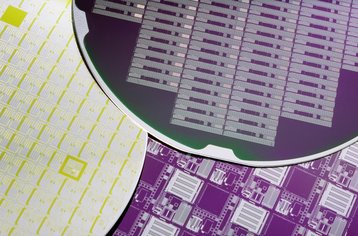
Silicon carbide is a synthetically produced crystalline compound of silicon and carbon. The material provides several advantages over conventional silicon for power applications, including better thermal conductivity, higher switching speeds, and lower dissipation, making it particularly suitable for the manufacturing of high-voltage power devices.
In a statement, Infineon said it operates a “multi-source SiC substrate strategy” in an effort to maintain supply chain flexibility across its global manufacturing network, including its 200mm SiC fab in Kulim, Malaysia.
“Silicon carbide is at the heart of the energy transition, and securing a high-quality, resilient supply of 200mm substrates is essential to delivering on our customers’ long-term commitments,” said Infineon’s chief operations officer Alexander Gorski. “This agreement further broadens our strong supply base for our 200mm high-volume manufacturing, building on a 20-year supply relationship between our two companies. It strengthens supply chain security for our customers and provides additional flexibility and scalability to support Infineon’s future growth.”
Founded in North Carolina in 1987, Wolfspeed is the world’s leading manufacturer of wafers and devices made from silicon carbide. However, in recent years, the company has been grappling with reduced demand for its 150mm wafers and, in January 2025, put its site near Dallas, Texas, up for sale for an undisclosed price.
Last week, the chipmaker announced it had received a conditional 30-year loan commitment for up to $1.5 billion from the US Department of Defense (stylized as the Department of War) to support the US-based development and production of silicon carbide materials and wide-bandgap power devices.


Comments